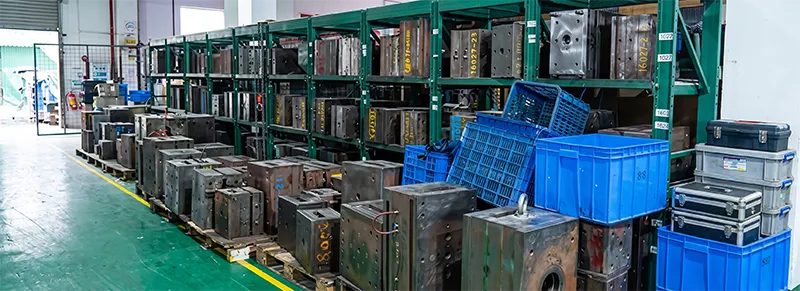
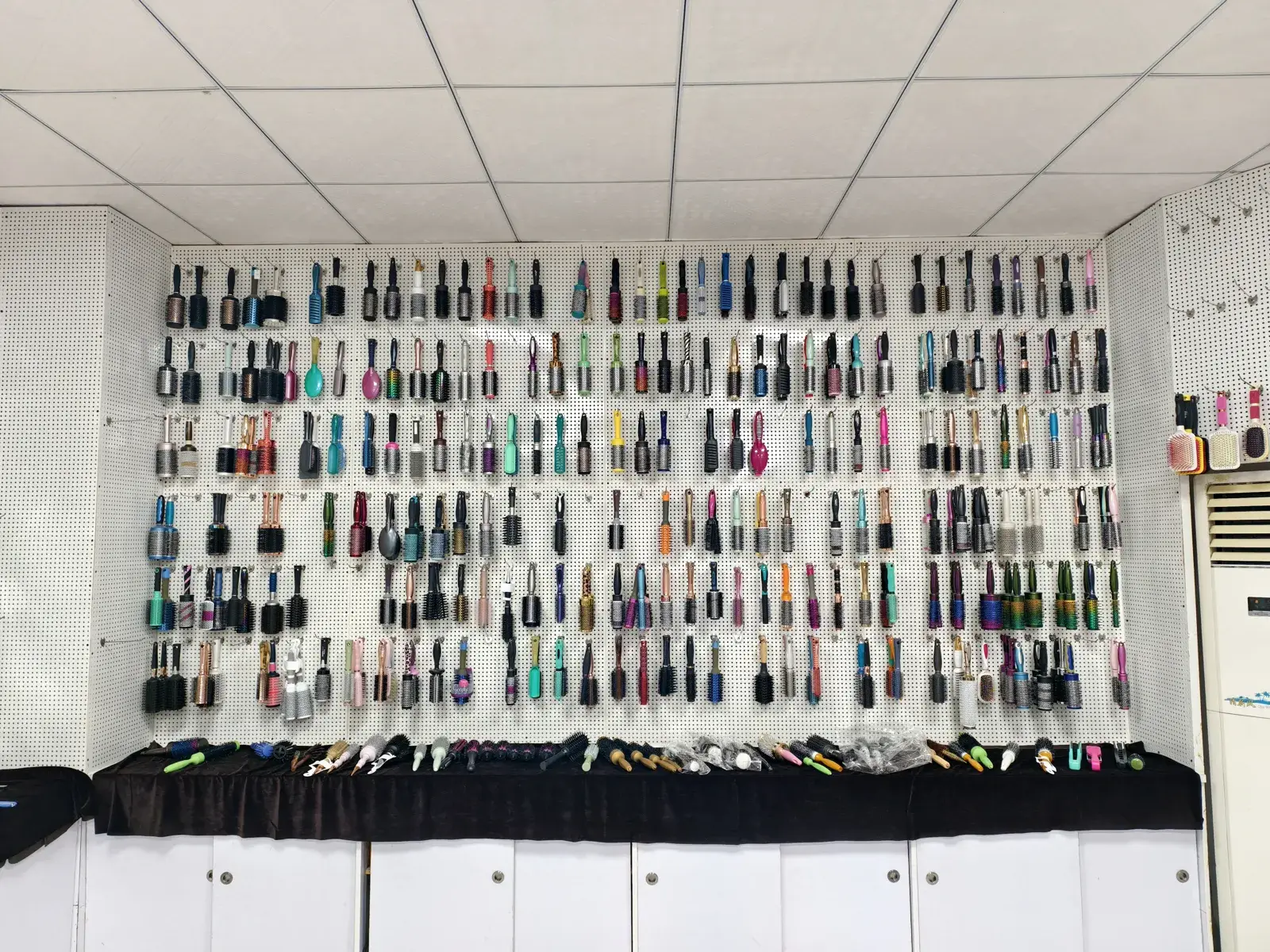
A custom hair brush, comb or claw clip needs a new mould only when its shape cannot be made from a mould that already exists. If one of the 2,000+ existing moulds at our production base fits your design, you change the colour, logo, bristles, finish and packaging and pay no tooling fee. If the shape is new and the product is injection-moulded plastic, a steel mould starts at about US$6,000 and takes 45 days or more to build before sampling can begin. Cellulose acetate and wood or bamboo products are cut rather than moulded, so they never need a steel injection mould.
That decision—existing mould or new mould—moves a project’s budget and schedule more than any other single choice. This guide sets out when each route applies, what it costs, how it changes the timeline and how to brief a factory so the answer is clear from the first quotation.
The short answer: three routes
| Route | When it applies | Tooling cost | What it adds to the schedule |
|---|---|---|---|
| Existing mould | Your shape matches, or is close enough to, a mould already in the library | None | Nothing—the project goes straight to sampling |
| New steel injection mould | A plastic brush body, handle, comb or clip in a shape that does not exist yet | From about US$6,000 per mould | 45 days or more before sampling can start |
| New cutting profile (acetate, wood, bamboo) | A new outline in cellulose acetate, wood or bamboo | No injection mould fee | No tooling stage; sampling takes 15–20 days (acetate) or 10–15 days (wood and bamboo) |
The figures above are planning numbers confirmed by our sales team in October 2026, not a quotation. A complex design is always quoted from a drawing or 3D file, because the number of moulded parts and the geometry decide the final price.
What you can change on an existing mould
An existing mould fixes the shape of the moulded part. Almost everything a customer actually sees and touches can still be specified:
- Colour: body colours matched to your reference; colour matching is part of the normal process and adds no time.
- Surface finish: soft-touch rubberised paint, metallic, pearlescent and gradient spray finishes. Gradients add spray steps and take more production capacity, and electroplating adds a few days.
- Bristles: nylon pins or boar bristle, set at the production base.
- Logo: pad printing or hot-foil stamping on plastic; engraving or silk-screen printing on wood and bamboo.
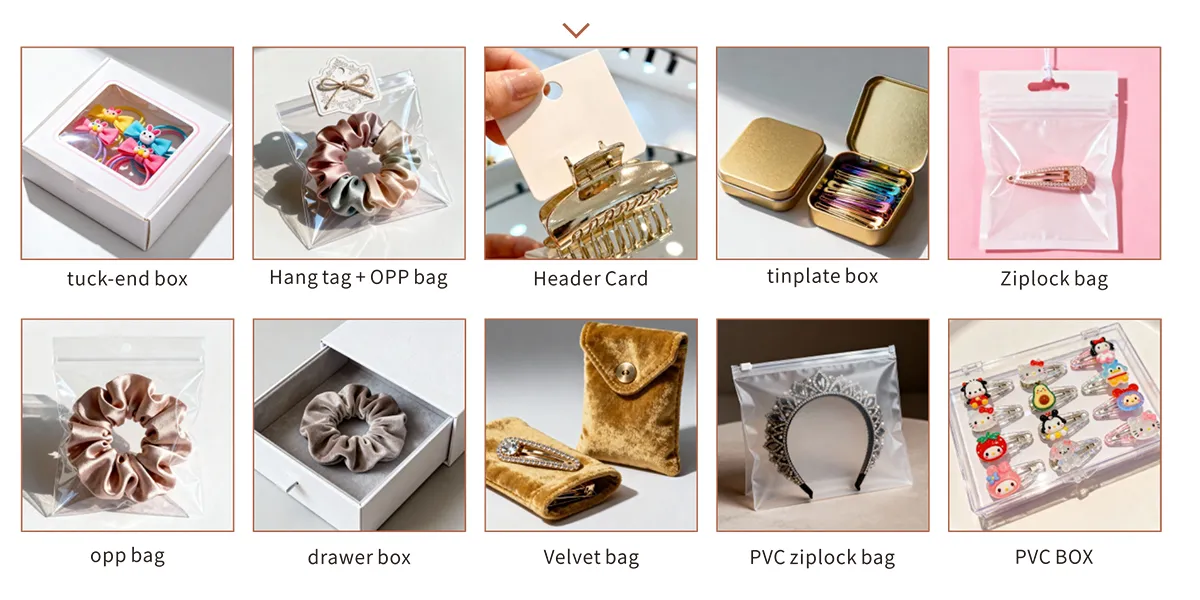
- Packaging: retail box, pouch, header card or your own supplied packaging.
Minimums are the same as for any custom order and depend on the material. Each colour counts as its own design, so every colour has to reach the minimum on its own—a plastic comb in three colours means 3,000 pieces in each colour.
| Material | Minimum per design, per colour |
|---|---|
| Injection-moulded plastic brushes and combs | 3,000 pieces |
| Plastic hair clips and claw clips | 5,000 pieces |
| Cellulose acetate, wood and bamboo brushes and combs | 1,000 pieces |
| Cellulose acetate hair clips and claw clips | 500 pieces |
| Coffee-grounds and coconut-fibre composites | 10,000 pieces |
For most first orders from new brands, an existing mould is the cheapest and fastest route, and it leaves the budget for packaging and marketing instead of steel.
When a new mould is unavoidable
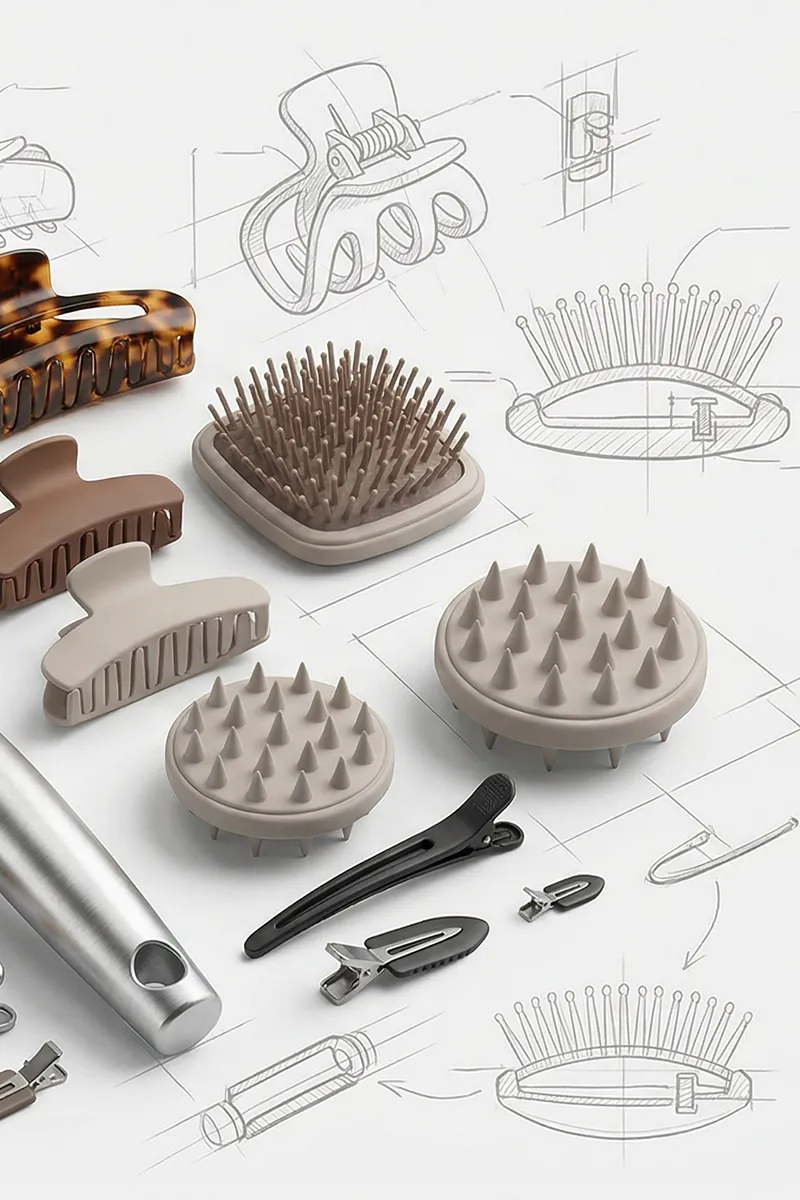
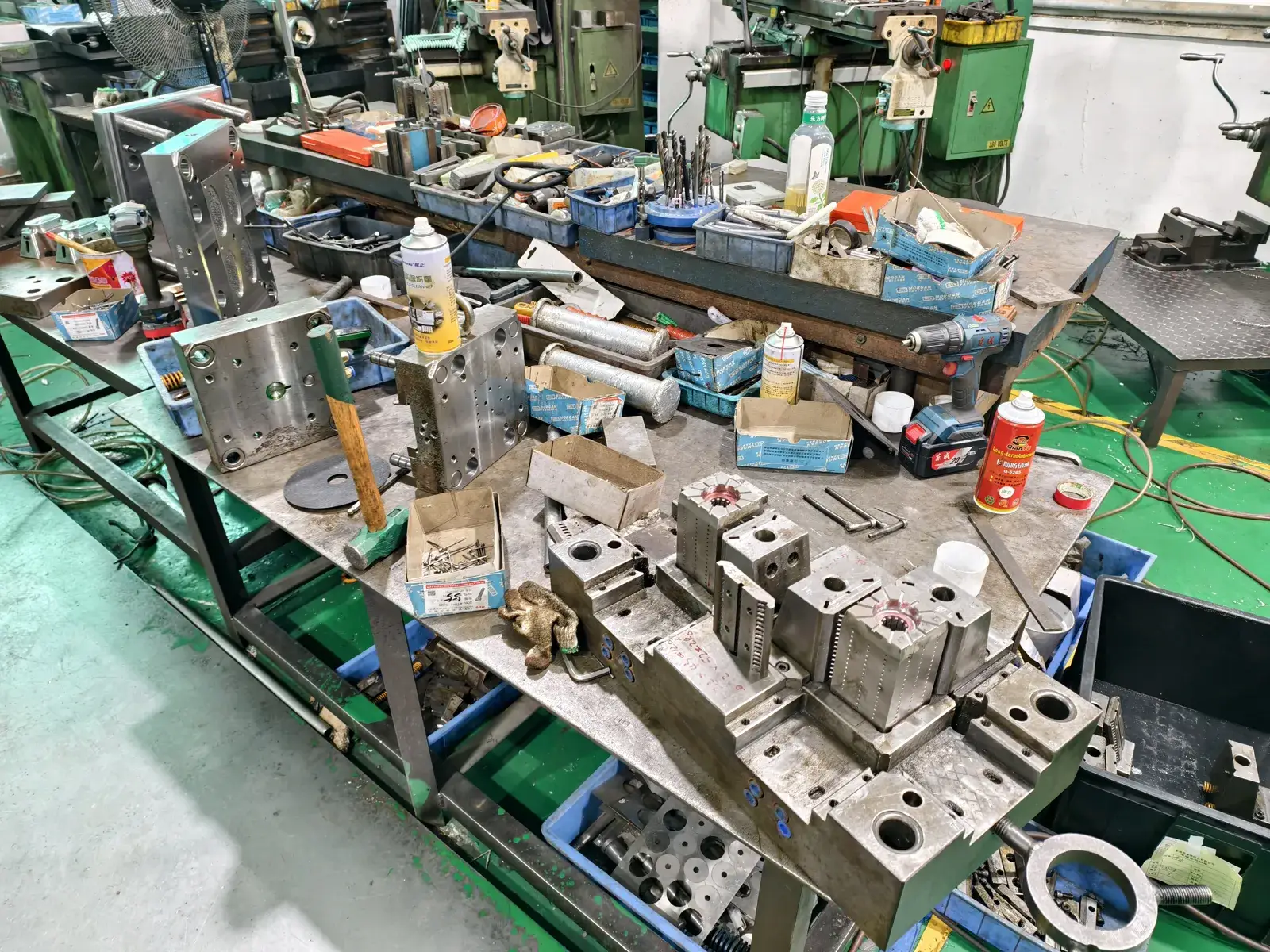
A new steel injection mould is needed when the moulded part itself is new: a brush back with a different outline, a handle with a new grip profile, a comb with a tooth pattern that does not exist yet, or a plastic claw clip in a new silhouette. The steel tool is machined to the exact geometry of the part, and nothing can be produced until it exists.
Three things decide where a quotation lands above the starting figure of about US$6,000:
- Number of moulded parts. Each separately moulded component needs its own tool. A brush with a detachable handle or a separate cushion frame is two or more tools, not one.
- Geometry. Vent slots, undercuts, thin walls and integrated bristles add machining time and cost.
- Cavities. A tool that forms several parts per cycle costs more to build and less per piece to run. It is worth modelling only when the expected volume is high.
Why acetate, wood and bamboo need no injection mould
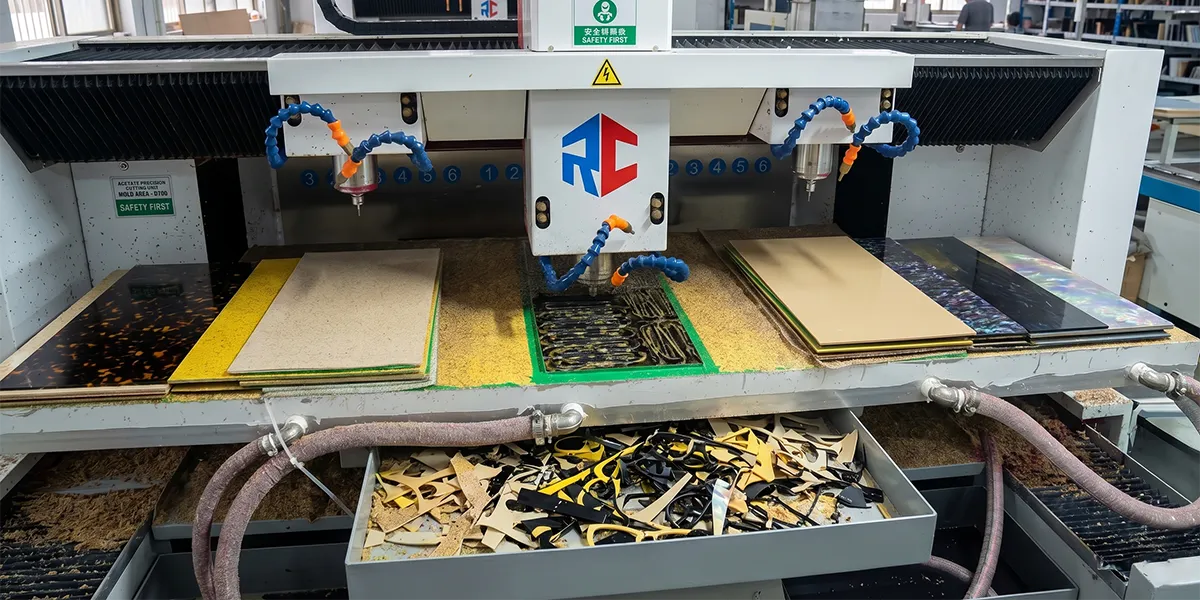
Cellulose acetate arrives as pressed sheet with the colour and pattern already inside the material. Combs, claw clips and brush handles are cut out of the sheet, then shaped and polished by hand. Wood and bamboo are cut from solid blanks in the same way. A new shape in these materials means a new cutting profile, not a steel tool, which is why there is no injection mould fee and no tooling stage in the schedule.
The trade-off is per-piece cost: cutting, sanding and hand polishing take more labour than a moulding cycle. For a brand that wants a genuinely unique shape on a short first run, acetate or wood is often the lowest total-cost route; for a high-volume basic shape, injection moulding usually wins once the tool is paid for.
How each route changes the schedule
| Stage | Existing mould | New injection mould | Acetate / wood / bamboo |
|---|---|---|---|
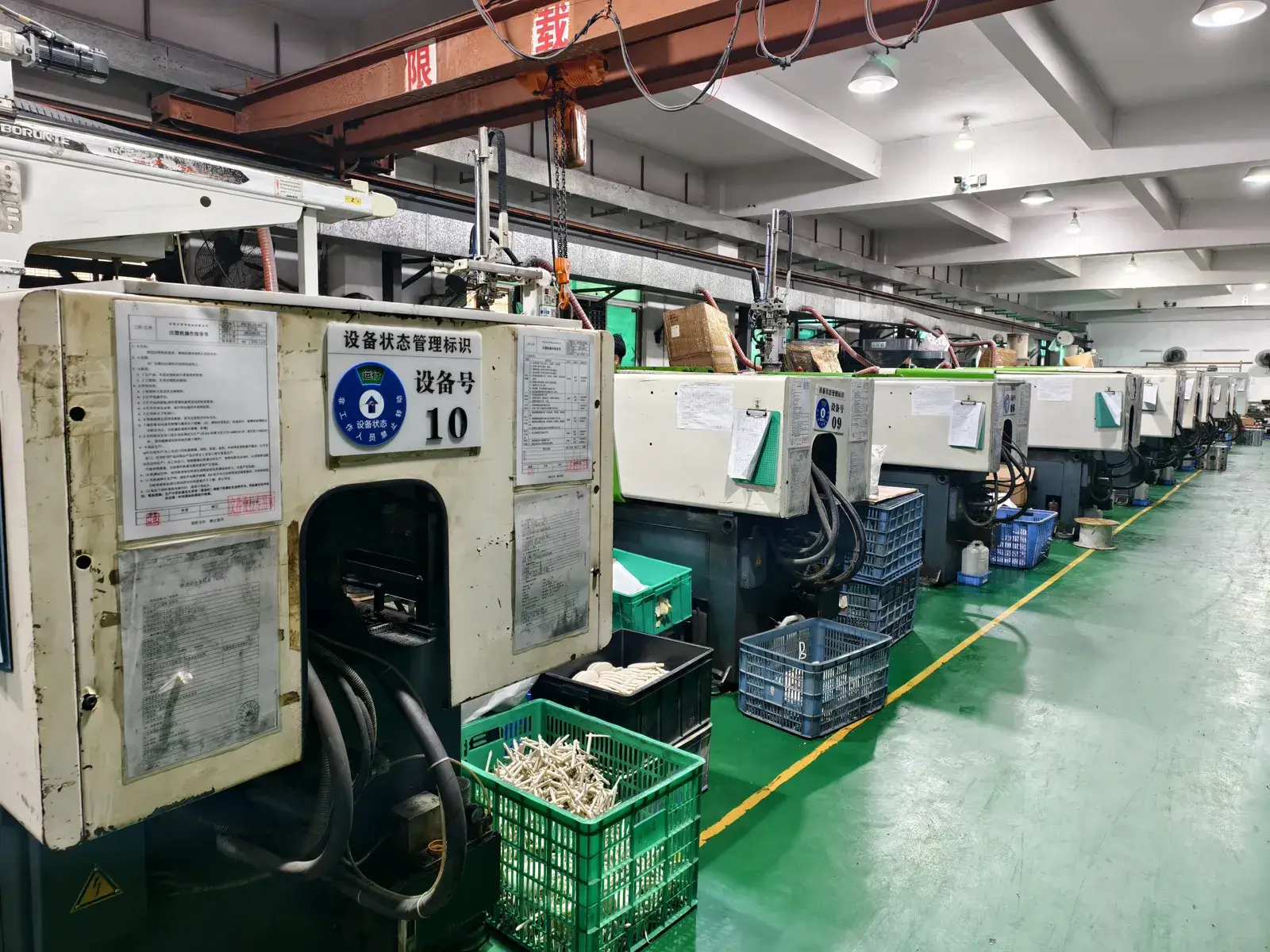
| Tooling | None | 45 days or more | None |
| Sampling | 15–20 days | 7–15 days after the mould is finished | 15–20 days (acetate); 10–15 days (wood and bamboo) |
| Bulk production after sample approval | About 45 days | About 45 days | 30–45 days (acetate); 30–40 days (wood and bamboo reorders) |
For injection-moulded products, complex styles or orders of 20,000 pieces or more take about 60 days in bulk instead of 45. Repeat orders take the same time as the first order, because production is booked into the same schedule.
Freight comes on top: as a planning range, sea freight takes 25–50 days, air freight 12–15 days and express courier 5–7 days, depending on the destination. The difference between routes is therefore not only cost: a new injection mould adds at least six weeks before the first sample can even be made.
What a new mould costs per piece
Tooling is paid once, so its weight depends on how many pieces it is spread across. Using the starting figure of about US$6,000 for a single new mould:
| Order quantity | Tooling cost carried per piece |
|---|---|
| 3,000 pieces (plastic brush or comb minimum) | About US$2.00 |
| 5,000 pieces (plastic clip minimum) | About US$1.20 |
| 10,000 pieces | About US$0.60 |
| 20,000 pieces | About US$0.30 |
This is why the usual advice for a first order is: start on an existing mould at the minimum quantity, prove that the product sells, and invest in your own tooling on the reorder, when the volume can carry it.
Samples: what is free and what is charged
Whether a sample is charged depends on the product, the design and what the sample needs to prove. Samples of regular stock styles are free; the buyer pays the freight. Custom or special samples are charged once the details have been checked with our sales team, usually RMB 300–500 (about US$40–70) per design. Whether the fee is refunded, and at what order quantity, depends on the product—for an acetate cushion brush, for example, the custom sample fee is refunded when the bulk order reaches 5,000 pieces. Ask for the refund condition to be written into the quotation.
Who owns the mould and the design
Ownership should be settled before any tooling payment, and our contract terms set it out plainly. All original designs, drawings, product concepts and custom moulds provided or paid for by the buyer belong exclusively to the buyer. Customised improvements made specifically to produce the buyer’s product also belong to the buyer. General process improvements the factory develops independently during production remain the factory’s and may be used for other, non-competing products.
In practice this means a mould made for your design is used only for your orders, and the shape will not appear in another brand’s range. If you are comparing suppliers, ask each one for the same clause in writing.
How to brief a factory so the tooling answer is clear
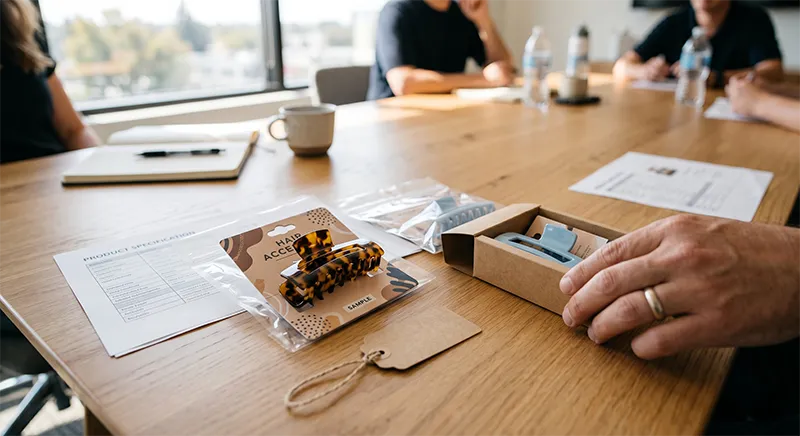
- Send a drawing, 3D file or a physical reference, and state which dimensions matter and which can move.
- Say whether you are open to an existing mould. Many briefs do not, and the factory then quotes new tooling by default.
- Name the material: plastic means injection moulding; acetate, wood or bamboo means cutting.
- List every separately moulded part, so each tool appears as its own line on the quotation.
- Give your first-order quantity per design and your expected reorder volume, so the factory can advise whether a new tool is worth it.
- Confirm in the contract, before any tooling payment, that the custom mould and your design belong to you.
With those six points, a quotation can separate tooling, sampling, unit price, logo and packaging into their own lines. That is the only kind of quotation that can be compared across suppliers. The full list of what to send is in our Hair Accessories RFQ Checklist.