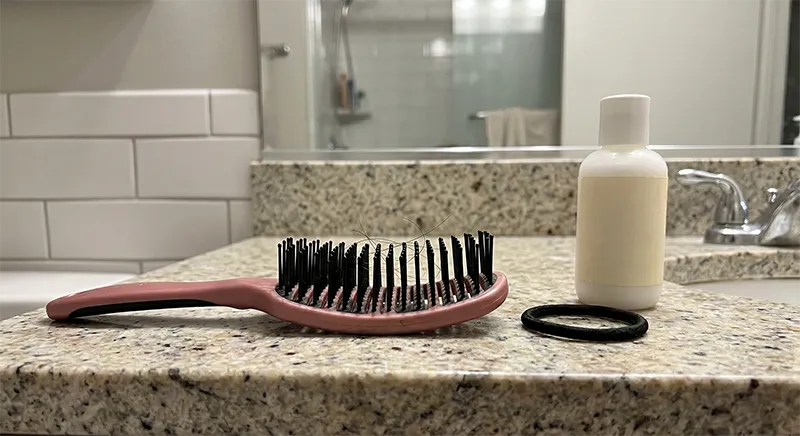
Hair breakage is the snapping of the hair shaft at any point along its length due to structural weakness in the cuticle or cortex layer. Unlike hair shedding — where a full strand releases naturally from the follicle with its root bulb intact — breakage produces short, irregular fragments that indicate the hair was too weak to withstand the forces applied to it during styling, brushing, or environmental exposure.
Breakage is not a single-cause problem. It is almost always the result of cumulative damage from multiple sources acting over time — heat, chemicals, mechanical friction, moisture loss, and nutritional deficiency each degrade the hair shaft incrementally until it reaches a breaking point. Understanding which of these factors are present in a given routine is the first step toward stopping the cycle.
This guide identifies the 12 most common causes of hair breakage, explains the mechanism behind each, and provides specific, actionable solutions.
1. The 12 Causes of Hair Breakage and How to Fix Each One
Cause 1: Excessive Heat Styling
Flat irons, curling irons, and blow dryers work by applying heat to reshape the hair's hydrogen bonds. When heat exceeds approximately 180 degrees C (350 degrees F), it begins to degrade the keratin protein in the cortex and strip moisture from the hair shaft. Repeated exposure at high temperatures creates internal fractures that eventually cause the hair to snap. A study published in the International Journal of Trichology found that blow dryers cause more surface damage than air drying, though keeping the dryer moving and holding it at least 15 cm away reduces the impact significantly.
Solution: Reduce heat tool temperature to 150 to 170 degrees C for fine hair and 180 degrees C maximum for thick hair. Always apply a heat protectant spray before styling. Allow hair to air dry to approximately 80 percent before using a blow dryer to minimise heat exposure time.
Cause 2: Chemical Treatments
Bleaching, colouring, perming, and relaxing treatments alter the internal structure of the hair shaft by breaking and reforming disulfide bonds. Each treatment session weakens the cortex further. Bleaching is the most damaging because it strips melanin pigment from the cortex, creating voids that compromise structural integrity.
Solution: Space chemical treatments as far apart as possible — a minimum of 8 to 10 weeks between colour sessions is recommended. Use ammonia-free or low-ammonia formulations where possible. Follow every chemical treatment with a deep conditioning or protein treatment to partially restore cuticle integrity.
Cause 3: Brushing with the Wrong Tool
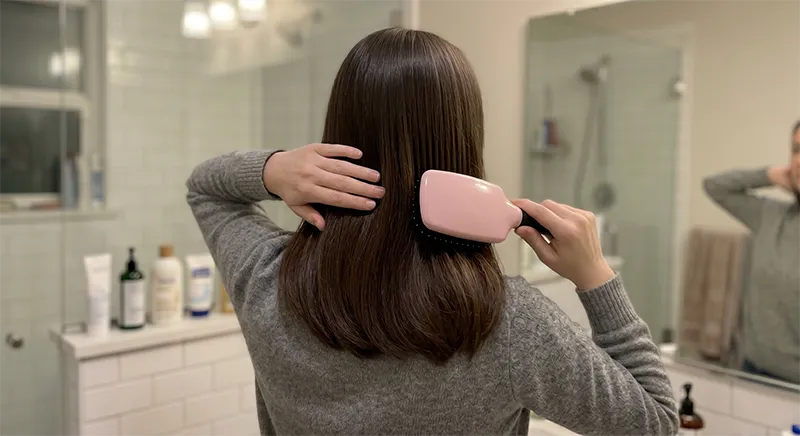
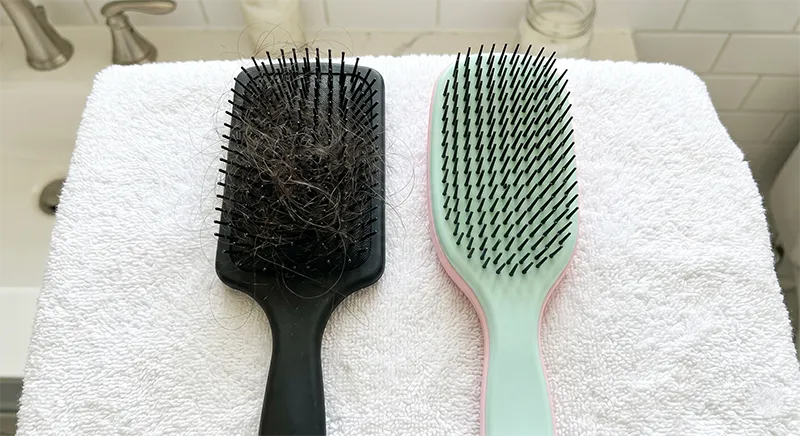
Using a stiff-bristle brush, fine-tooth comb, or metal-pin brush on tangled or wet hair creates concentrated tension at each knot, frequently exceeding the hair's breaking threshold. Wet hair is up to 50 percent weaker than dry hair because water breaks the hydrogen bonds that maintain structural rigidity — making tool selection during wet brushing particularly critical.
Solution: Use a flexible-bristle detangling brush on wet or tangled hair. Start brushing from the ends and work upward in short strokes. Avoid boar bristle brushes on wet hair — they are porous, absorb water, and lack the flex needed to navigate wet tangles safely. For a complete guide to selecting the right brush for each hair type and condition, see the overview of types of hair brushes.
Cause 4: Over-Brushing
The "100 brush strokes a day" myth has no scientific basis. Each brush stroke creates friction along the cuticle surface. Excessive brushing accumulates this friction beyond the cuticle's tolerance, causing cuticle lifting, roughening, split ends, and eventual shaft fracture. Research indicates that the majority of women perform at least one damaging hair practice daily, with excessive brushing among the most common.
Solution: Brush only as needed — once or twice daily for detangling and oil distribution is sufficient for most hair types. Use gentle, controlled strokes. For more on the relationship between brushing and hair health, see the article on brushing hair versus combing.
Cause 5: Lack of Moisture
Hair that lacks adequate moisture becomes brittle — it loses the elasticity needed to flex under tension without snapping. Dry hair resembles a dry twig: rigid, inflexible, and prone to cracking. Moisture loss can result from infrequent conditioning, hard water exposure, dry climate, or excessive use of drying products like alcohol-based sprays.
Solution: Use a conditioner after every shampoo wash. Incorporate a deep conditioning or hair mask treatment once per week. For low porosity hair that resists moisture absorption, use warm water or a warm towel to open the cuticle before applying conditioner. For specific care strategies, see the guide on how to care for low porosity hair.
Cause 6: Tight Hairstyles (Traction)
Tight ponytails, braids, buns, and extensions apply sustained tension to the hair shaft at the root. This mechanical stress — known as traction — can cause breakage at the hairline and temple areas where hair is finest. Prolonged traction can also cause traction alopecia, a form of hair loss where follicles are damaged by repeated pulling.
Solution: Alternate between loose and tight hairstyles. Use fabric-covered or spiral hair ties instead of thin elastic bands. Avoid wearing the same tight style in the same position every day. If braids or extensions are worn, ensure installation tension is moderate and limit wear time.
Cause 7: Towel Drying with Friction
Rubbing wet hair vigorously with a cotton towel creates friction between the towel's rough fibres and the swollen, raised cuticle of wet hair. This friction roughs up the cuticle surface, creates tangles, and causes breakage — particularly at the ends where hair is oldest and most fragile.
Solution: Replace rubbing with gentle blotting. Use a microfibre towel or a soft cotton t-shirt to press and squeeze excess water from the hair without friction. Microfibre towels have finer fibres that create less cuticle-level abrasion than standard cotton towels.
Cause 8: Sleeping on Cotton Pillowcases
Cotton pillowcases create friction as the head moves during sleep. Over hours of contact, this friction roughs up the hair cuticle, causes tangles, and contributes to breakage — particularly for longer hair that spreads across the pillow surface.
Solution: Switch to a silk or satin pillowcase. The smoother surface reduces friction significantly. Alternatively, sleep with hair in a loose braid or pineapple (a loose, high ponytail secured with a silk scrunchie) to reduce contact between hair and pillow.
Cause 9: Nutritional Deficiencies
Hair follicles require iron, zinc, biotin, vitamin D, and protein to produce strong keratin. Deficiencies in these nutrients produce hair that is thinner, weaker, and more prone to breakage. Iron deficiency is particularly common and is associated with increased hair shedding and reduced hair shaft diameter, according to the American Academy of Dermatology.
Solution: Eat a balanced diet that includes lean protein, leafy greens, eggs, nuts, and oily fish. If dietary intake is insufficient, consider a targeted supplement containing biotin, iron, and zinc after consulting a healthcare professional.
Cause 10: Environmental Damage
UV radiation from sunlight degrades the protein structure of the hair cuticle and cortex, causing dryness, colour fading, and brittleness. Chlorinated pool water and salt water strip natural oils and moisture, leaving hair dry and susceptible to breakage. Cold, dry winter air reduces ambient humidity, accelerating moisture loss from the hair shaft.
Solution: Wear a hat or use a UV-protective hair spray during prolonged sun exposure. Rinse hair with fresh water before and after swimming in chlorinated or salt water. Use a leave-in conditioner during winter months to compensate for low humidity.
Cause 11: Skipping Regular Trims
Split ends — where the hair shaft splits into two or more fragments at the tip — travel upward along the strand if not removed. A split that starts at the end can propagate several centimetres up the shaft, weakening the hair and causing it to break at an unpredictable point far from the original split.
Solution: Trim hair every 8 to 12 weeks, even when growing hair out. Removing just 1 to 2 cm of split ends prevents the split from travelling and preserves overall length better than allowing damage to accumulate.
Cause 12: Using the Wrong Hair Products
Products containing high concentrations of alcohol (such as isopropyl alcohol or denatured alcohol) strip moisture from the hair shaft. Heavy silicone-based products can build up on the cuticle over time, weighing hair down and creating a barrier that prevents moisture from entering. Products not formulated for a specific hair type may also cause issues — for example, heavy butters on fine, low-porosity hair create buildup rather than moisture.
Solution: Read ingredient lists. Avoid products where drying alcohols appear in the first five ingredients. Use a clarifying shampoo every 4 to 6 weeks to remove product buildup. Match product weight to hair porosity — lightweight formulas for low porosity, richer formulas for high porosity.
2. Hair Breakage vs Hair Shedding: How to Tell the Difference
Breakage and shedding are frequently confused, but they have different causes and require different responses.
| Characteristic | Hair Breakage | Hair Shedding |
|---|---|---|
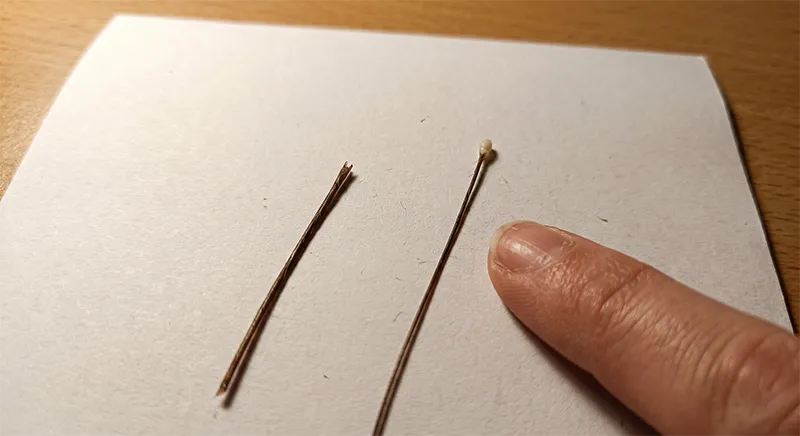
| Strand length | Short, irregular fragments | Full-length strands |
| Root bulb | No bulb — strand snapped mid-shaft | Small white or translucent bulb at root end |
| Cause | External damage (heat, chemicals, friction, dryness) | Natural follicle cycle (telogen phase completion) |
| Normal amount | Should be minimal with proper care | 50 to 100 strands per day is normal |
| Response | Identify and eliminate damage source | Normal — no action needed unless excessive |
If short, broken fragments appear in the brush, on clothing, or on the floor, the problem is breakage and the cause is external damage. If full-length strands with root bulbs are found, the hair is shedding naturally.
3. Why Brush Selection Is One of the Most Effective Breakage Prevention Steps
Of the 12 causes listed above, two — wrong brush and over-brushing — are among the easiest to fix and among the most impactful. Unlike heat damage or chemical damage, which require changes to long-established routines, switching to the correct brush is a single decision that immediately reduces daily mechanical damage.
| Hair Condition | Best Brush to Reduce Breakage | Why |
|---|---|---|
| Wet hair (any type) | Flexible detangling brush | Bristles bend around knots on weakened wet hair without pulling |
| Fine, fragile hair | Soft cushion brush or boar bristle | Gentle contact distributes oils without overloading delicate strands |
| Thick, tangled hair | Paddle brush with nylon or mixed bristles | Firm bristles penetrate dense hair; wide head covers more area per stroke |
| Curly, coily hair | Wide-tooth comb or fingers (with conditioner) | Minimal disruption to curl pattern; widest spacing reduces snag points |
| Colour-treated or damaged hair | Extra-flexible detangling brush | Compromised cuticle is more fragile; maximum flex applies least possible tension |
For a detailed breakdown of every brush type and its function, see the complete guide on types of hair brushes. For information on how to detangle fine hair specifically, see the dedicated guide on how to detangle fine hair.
4. How Long It Takes to Stop Hair Breakage
Breakage reduction is not instant, but most people notice visible improvement within a predictable timeframe once the damage source is addressed.
- 1 to 2 weeks: Reduced number of broken fragments in the brush and on clothing after switching to a gentler brush, reducing heat tool use, and adding a leave-in conditioner.
- 4 to 8 weeks: Noticeable improvement in hair texture and manageability. New growth from the follicle emerges undamaged, and the proportion of healthy hair to damaged hair begins to shift.
- 3 to 6 months: Significant visible recovery. Several centimetres of healthy new growth replace the damaged sections closest to the root. Hair begins to hold styles better and feel stronger.
- 6 to 12 months: For severely damaged hair (extensive bleaching, heat damage, or chemical treatment), full replacement of damaged length requires the time it takes for new hair to grow out — approximately 15 cm (6 inches) per year.
The critical insight is that stopping breakage does not repair existing damage — it prevents new damage while allowing healthy hair to grow in and gradually replace the weakened sections.
5. Quick Daily Checklist to Prevent Hair Breakage
The following daily habits collectively address the most common breakage causes. Implementing even three or four of these produces measurable results within weeks.
- Use a flexible detangling brush or wide-tooth comb — never a stiff-bristle brush on wet or tangled hair
- Start brushing from the ends and work upward in short, gentle strokes
- Apply a heat protectant before any heat styling and keep temperature below 180 degrees C
- Blot wet hair with a microfibre towel — never rub with cotton
- Sleep on a silk or satin pillowcase
- Use a conditioner after every shampoo wash
- Avoid tight ponytails and elastic bands — use fabric-covered or spiral ties
- Trim every 8 to 12 weeks to prevent split end propagation
- Check product ingredients for drying alcohols in the first five listed
6. When to See a Professional
Most hair breakage can be resolved through changes to the daily hair care routine. However, professional evaluation is recommended in the following situations:
- Breakage continues despite eliminating all known damage sources for 8 or more weeks
- Breakage is concentrated at the scalp line or temples, which may indicate traction alopecia
- Hair loss (shedding from the follicle, not just shaft breakage) exceeds the normal 50 to 100 strands per day
- Breakage is accompanied by scalp inflammation, itching, or flaking
- Sudden onset of widespread breakage without a clear cause, which may indicate a nutritional deficiency or hormonal change
A dermatologist or trichologist can perform a hair pull test, trichoscopy (microscopic scalp examination), and blood work to identify underlying causes that routine changes cannot address.
7. Conclusion
Hair breakage is caused by cumulative damage to the hair shaft from heat, chemicals, mechanical friction, moisture loss, and nutritional deficiency. The 12 causes outlined in this guide cover the vast majority of breakage scenarios, and each has a specific, actionable solution. The most impactful changes are often the simplest: switching to a brush that flexes around tangles instead of pulling through them, reducing heat tool temperature, adding moisture through regular conditioning, and replacing friction-generating habits (cotton towels, tight elastic bands, cotton pillowcases) with gentler alternatives.
Of all the interventions available, brush selection stands out as one of the easiest to implement and most immediately effective. A single switch from a stiff-bristle brush to a flexible detangling brush eliminates one of the most common daily sources of mechanical hair damage. For brands building hair brush product lines, highlighting breakage-prevention properties — such as flexible bristle technology and rounded tip construction — directly addresses one of the most searched consumer pain points in the hair care category. Manufacturers such as JunYi Beauty produce detangling, cushion, and paddle brushes with flexible bristle configurations designed to minimise breakage across all hair types. For the full range of available designs, see the hair brush product catalogue. For an overview of brush manufacturers, see the guide on top 10 custom hair brush manufacturers.