Cleaning a hair comb is the process of removing accumulated hair strands, dead skin cells, natural scalp oils, product residue, and dust from the teeth and spine of the comb to restore hygiene and performance. Despite being one of the simplest grooming maintenance tasks, it is frequently neglected — and the consequences extend beyond a dirty-looking tool.
A comb that is not cleaned regularly transfers old sebum, dried styling product, and microscopic debris back onto freshly washed hair with every use. The cleaning method that works for one comb material, however, may damage another. Acetate, wood, metal, and plastic each respond differently to water, heat, and cleaning agents. This guide covers the correct cleaning procedure for every common comb material, along with recommended schedules and signs that a comb needs replacing.
What Builds Up on a Hair Comb Over Time
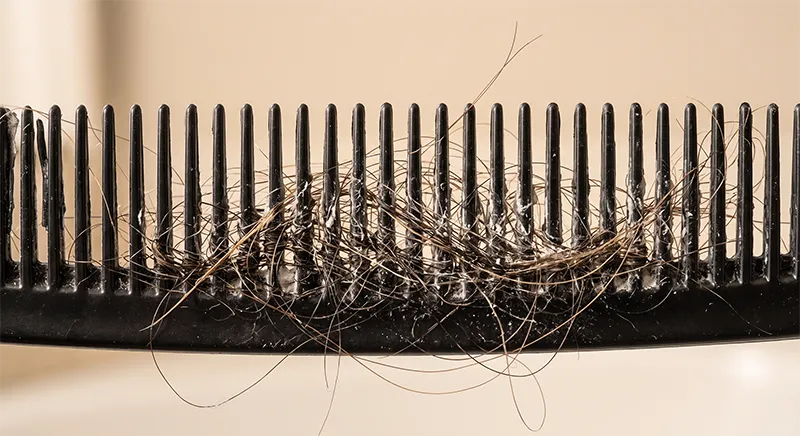
The residue that collects on a hair comb is not simply "dirt." It is a layered mixture of biological and chemical substances that accumulate with each use. Understanding what this buildup actually contains explains why regular cleaning matters for both hair health and scalp hygiene.
Sebum is the primary contributor. The scalp produces this natural oil continuously, and every pass of a comb through the hair picks up a thin film. Sebum is sticky once it dries and acts as an adhesive for dead skin cells, loose hair strands, airborne dust, and lint from pillowcases or hats.
Styling products add a second layer. Hairspray, gel, mousse, dry shampoo, and leave-in conditioner all deposit residue onto comb teeth. Over weeks of use without cleaning, this combination hardens into the white or greyish film commonly visible between comb teeth.
According to dermatologists at the American Academy of Dermatology, maintaining clean grooming tools is a basic component of scalp and hair hygiene. A comb coated in old residue can reintroduce the very substances that shampooing was intended to remove.
How to Clean a Plastic Hair Comb (ABS, Nylon, Polycarbonate)
Plastic combs — including those made from ABS, nylon, polycarbonate, and polypropylene — are the most durable and forgiving when it comes to cleaning. They are water-resistant, heat-tolerant within reasonable ranges, and can withstand full submersion without damage. For a deeper understanding of how plastic compares to other comb materials, the metal vs. plastic vs. wooden comb comparison guide covers material properties in detail.
Step-by-Step Cleaning Process
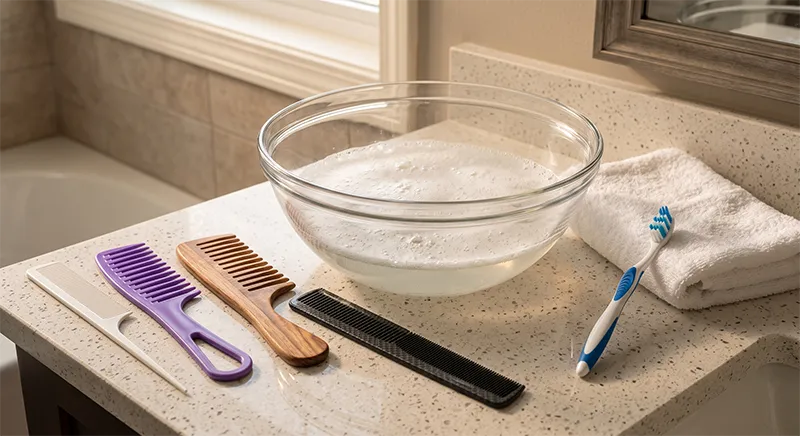
Start by removing all trapped hair from between the teeth. Use fingers, a toothpick, or the pointed end of a rat-tail comb to lift strands from the base. For stubborn tangles, small scissors can be used to cut through knotted clumps before pulling them free.
Fill a bowl with warm water and add a few drops of mild liquid soap or shampoo. Submerge the plastic comb completely and allow it to soak for 10 to 15 minutes. This softens dried product residue and sebum, making them easier to scrub away.
After soaking, use an old toothbrush to scrub between each tooth and along the spine of the comb. Pay particular attention to the base of the teeth where buildup concentrates most heavily. Rinse the comb under running warm water until all soap residue is gone, then place it on a clean towel to air dry completely before storing.
Deep Cleaning for Heavy Buildup
For plastic combs with stubborn, hardened residue, adding one tablespoon of baking soda to the soaking water creates a mild abrasive solution that dissolves buildup more effectively. Alternatively, soaking the comb in a solution of equal parts warm water and white vinegar for 15 to 20 minutes breaks down mineral deposits and product residue without scratching the surface.
How to Clean an Acetate Hair Comb
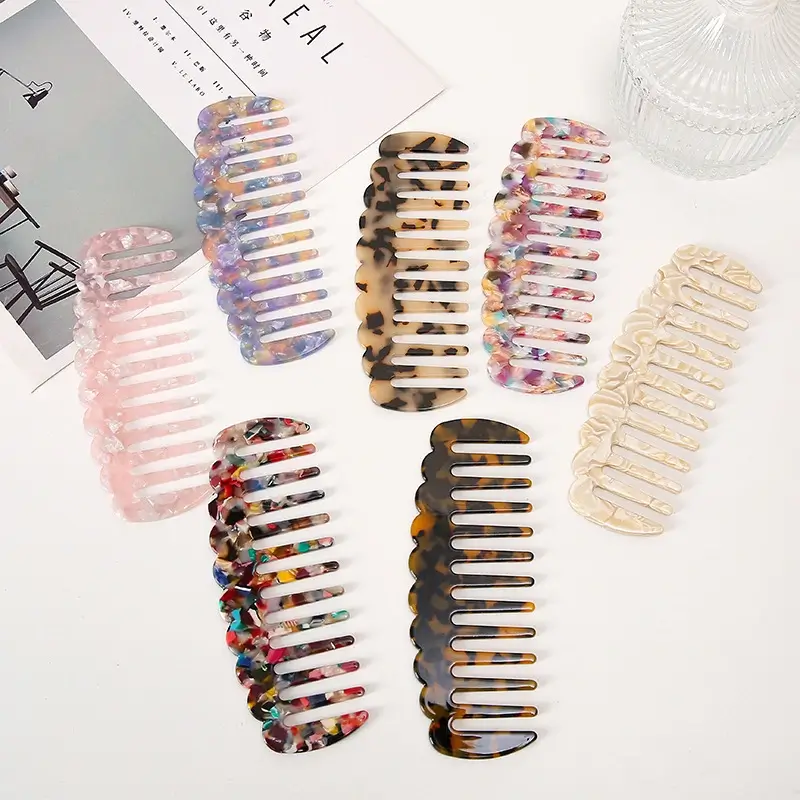
Acetate combs require more careful handling than standard plastic models. Cellulose acetate is a plant-derived thermoplastic made from wood pulp or cotton fibres, and while it produces an exceptionally smooth, anti-static comb surface, the material is more sensitive to heat, prolonged moisture exposure, and harsh chemicals than ABS or nylon.
Step-by-Step Cleaning Process
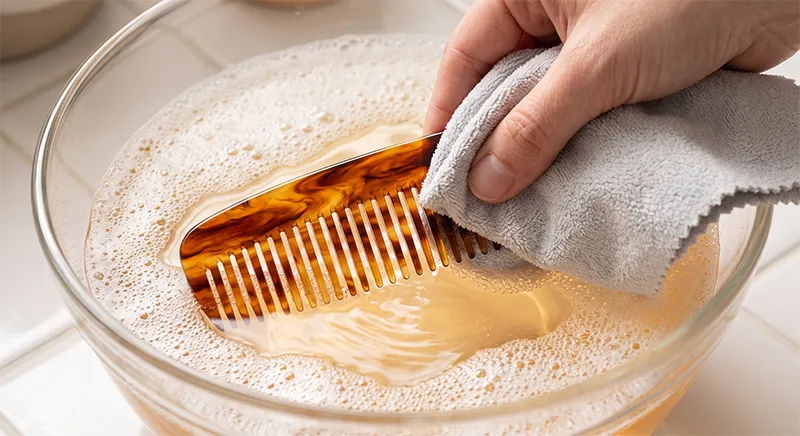
Remove all trapped hair manually, using gentle motions to avoid scratching the polished surface. Fill a bowl with lukewarm water and add a small amount of mild soap or shampoo. Submerge the acetate comb and soak for no longer than 5 to 10 minutes — extended soaking can cause the material to absorb moisture and lose its lustre.
Use a soft-bristled toothbrush or microfibre cloth to gently clean between the teeth. Rinse under cool running water and immediately dry with a soft, lint-free cloth. Do not leave an acetate comb to air dry in direct sunlight or near a heat source, as both can cause warping or discolouration.
What to Avoid with Acetate
Acetate is chemically sensitive to certain substances. Acetone (found in nail polish remover), alcohol-based perfumes, and alkaline cleaners such as baking soda can damage the surface finish or cause cloudiness. If sanitising is needed, a brief wipe with a cloth dampened with diluted white vinegar is the safest option. The acetate vs. plastic vs. wooden combs comparison provides additional context on the care differences between these materials.
How to Clean a Wooden Hair Comb
Wooden combs — whether made from sandalwood, bamboo, neem, or peach wood — are naturally anti-static and gentle on the scalp. However, wood is porous and absorbs water readily, which makes the cleaning approach fundamentally different from plastic or metal combs. The goal is to clean the comb without allowing the wood to become waterlogged.
Step-by-Step Cleaning Process
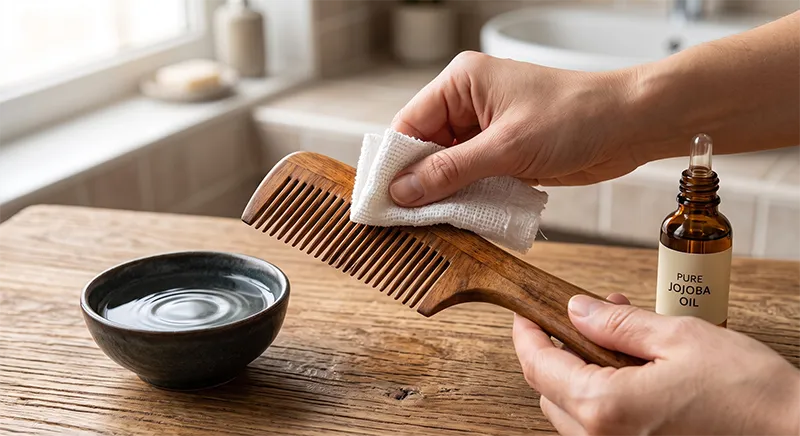
Remove all hair from between the teeth using a dry brush or toothpick. Dampen a soft cloth or cotton pad with a solution of warm water and a small amount of mild soap. Wipe each tooth and the spine of the comb individually, working from the base of the teeth outward. Do not submerge a wooden comb in water or allow it to soak — even brief soaking can cause the wood to swell, warp, and eventually crack.
After wiping, use a second cloth dampened with clean water to remove any soap residue. Dry the comb immediately and thoroughly with a clean towel. To maintain the wood's condition and prevent drying or cracking, apply a thin layer of natural oil — jojoba oil, mineral oil, or food-grade coconut oil — once a month. Rub the oil into the wood with a soft cloth, let it absorb for 10 to 15 minutes, then wipe away any excess.
Sanitising a Wooden Comb
Because alcohol dries out wood, the safest sanitising method for wooden combs is a diluted vinegar wipe. Mix equal parts white vinegar and water, dampen a cloth with the solution, and wipe the comb surfaces. The acetic acid in vinegar provides mild antibacterial action without stripping moisture from the wood grain. Allow the comb to air dry completely before use or storage.
How to Clean a Metal Hair Comb
Metal combs — typically made from stainless steel or aluminium alloy — are the most durable option and can withstand more aggressive cleaning methods than other materials. However, the primary concern with metal is moisture retention, which can lead to rust or corrosion if the comb is not dried properly after cleaning.
Step-by-Step Cleaning Process
Remove trapped hair from between the teeth. Metal combs can be fully submerged in warm soapy water and soaked for 10 to 15 minutes. Use a toothbrush to scrub between the teeth and along any textured surfaces. For persistent residue, a baking soda paste can be applied to stubborn spots and scrubbed gently.
Rinse thoroughly under running water and dry the comb immediately with a clean towel. Do not leave a metal comb to air dry — even stainless steel can develop surface discolouration if moisture sits on it for extended periods. A light coating of mineral oil can be applied occasionally to maintain the finish.
Sanitising a Metal Comb
Metal combs are the most sanitisation-friendly material. After standard cleaning, wipe the entire comb with a cloth or cotton pad soaked in 70% isopropyl alcohol. This eliminates bacteria and fungal spores effectively. Barbicide or other professional-grade salon disinfectants are also safe for metal combs and are commonly used in salon environments. Consult the National Institutes of Health research on grooming tool hygiene for additional background on how grooming tools can harbour microbial contaminants.
Cleaning Method Comparison by Comb Material
The following table summarises the key differences in cleaning methods across the four most common comb materials. Selecting the wrong method for a given material is one of the most common causes of premature comb damage.
| Factor | Plastic (ABS/Nylon) | Acetate | Wood | Metal |
|---|---|---|---|---|
| Safe to soak in water | Yes — 10 to 15 min | Briefly — 5 to 10 min max | No — wipe only | Yes — 10 to 15 min |
| Hot water safe | Warm only | Lukewarm only | No | Yes |
| Baking soda safe | Yes | No — can cloud surface | No | Yes |
| Rubbing alcohol safe | Yes | Brief wipe only | No — dries out wood | Yes |
| White vinegar safe | Yes | Yes (diluted) | Yes (diluted) | Yes |
| Needs oiling after cleaning | No | No | Yes — monthly | Optional — for finish protection |
| Dishwasher safe | Not recommended | No | No | Not recommended |
| Primary drying method | Air dry on towel | Immediate towel dry | Immediate towel dry | Immediate towel dry |
How Often Should a Hair Comb Be Cleaned
Cleaning frequency depends on how often the comb is used, how many styling products are applied to the hair, and the individual's scalp oil production. The following table provides practical guidelines based on common usage patterns.
| Usage Pattern | Recommended Cleaning Frequency | Notes |
|---|---|---|
| Daily use with styling products | Once per week | Product residue builds up fastest in this scenario |
| Daily use without products | Every two weeks | Sebum and dead skin still accumulate with regular use |
| Occasional use (2–3 times per week) | Once per month | Less frequent use slows buildup significantly |
| Shared comb (salon or household) | After every use | Sanitise between users to prevent cross-contamination |
| After illness or scalp condition | Immediately | Clean and sanitise all combs used during the illness |
Regardless of the cleaning schedule, removing loose hair from the comb after each use takes only a few seconds and significantly reduces the rate at which residue accumulates. This single habit extends the time between deep cleans and keeps the comb performing closer to new condition. For those who also use hair brushes, the companion guide on how to clean a hair brush covers material-specific cleaning procedures for bristle-based tools.
Signs a Hair Comb Needs Replacing
Even with consistent cleaning, every comb eventually reaches a point where replacement is the better option. Continuing to use a damaged comb can cause hair breakage, scalp irritation, and uneven styling results. The key indicators vary by material.
For plastic combs, look for cracked or missing teeth, rough edges that snag hair, and permanent discolouration that does not respond to cleaning. The brushing vs. combing comparison guide covers when switching tools altogether may be the more effective solution.
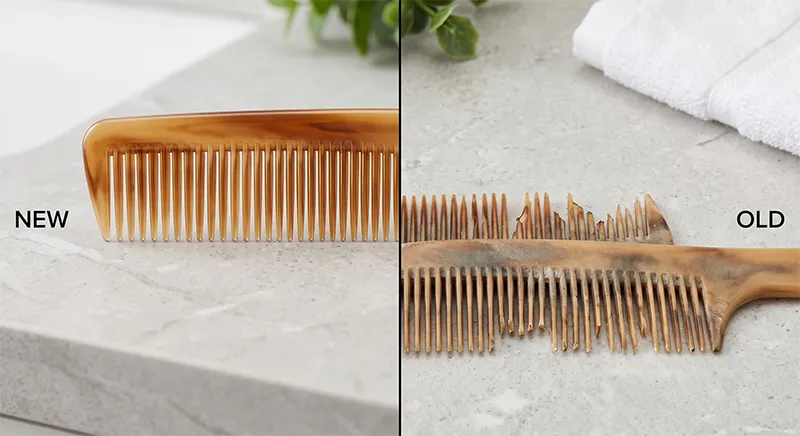
Acetate combs should be replaced if the teeth develop chips, if the surface becomes permanently cloudy despite cleaning, or if the comb becomes brittle. Wooden combs need replacement when the wood cracks, splinters, or develops a persistent musty smell — this typically indicates mould penetration within the grain. Metal combs are the longest-lasting, but should be retired if rust spots appear or teeth bend permanently.
As a general guideline, most plastic and wooden combs last 6 to 12 months with daily use, while acetate and metal combs can last several years with proper care.
Proper comb maintenance — cleaning on a regular schedule, storing in a dry environment, and selecting the right comb or brush type for the hair type — extends the working life of any comb and ensures it continues to perform as intended. For brands and retailers sourcing combs at scale, understanding material-specific care requirements also informs product documentation, packaging insert content, and customer education materials that reduce return rates and increase satisfaction.
Dongguan JunYi Beauty Technology Co., Ltd. produces combs across all four major material categories — plastic, acetate, wood, and metal — with quality control processes that ensure smooth tooth finishing and consistent material integrity from the first unit to the last in each production run.