Should you reach for a brush or a comb? The answer depends on your hair type, whether your hair is wet or dry, and what you are trying to achieve. Choosing the wrong tool — or using the right one incorrectly — can lead to breakage, frizz, and long-term damage.
This guide breaks down exactly how brushes and combs differ, when each one works best, and which tool suits straight, wavy, curly, and fine hair. By the end, you will know exactly what to pick up every time you stand in front of the mirror.
Why Your Tool Choice Matters: Hair Structure Basics
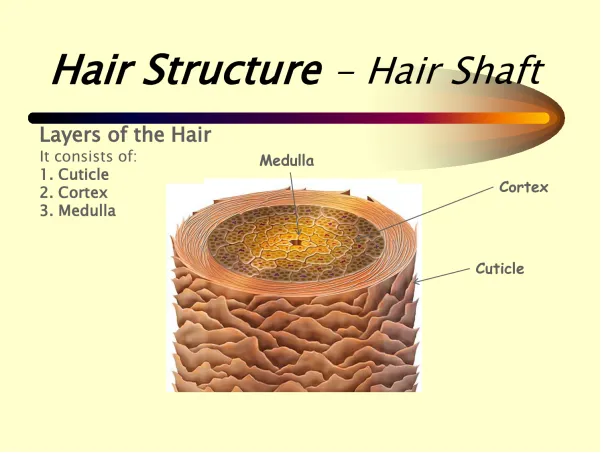
Every strand of hair has three layers: the cuticle (a protective outer shell of overlapping scales), the cortex (the middle layer that gives hair its strength, elasticity, and color), and the medulla (a soft core found mainly in thick strands).
When you drag a tool through your hair, the friction affects the cuticle first. Rough handling lifts those tiny scales, making hair look dull and feel rough. Over time, a damaged cuticle exposes the cortex, leading to split ends and breakage. The right grooming tool keeps the cuticle smooth and the strand intact.
Your scalp also plays a role. It produces sebum — a natural oil that moisturizes and protects hair. The tool you choose determines how well that oil travels from root to tip, which directly affects shine and hydration.
What Is a Hair Brush and What Does It Do?
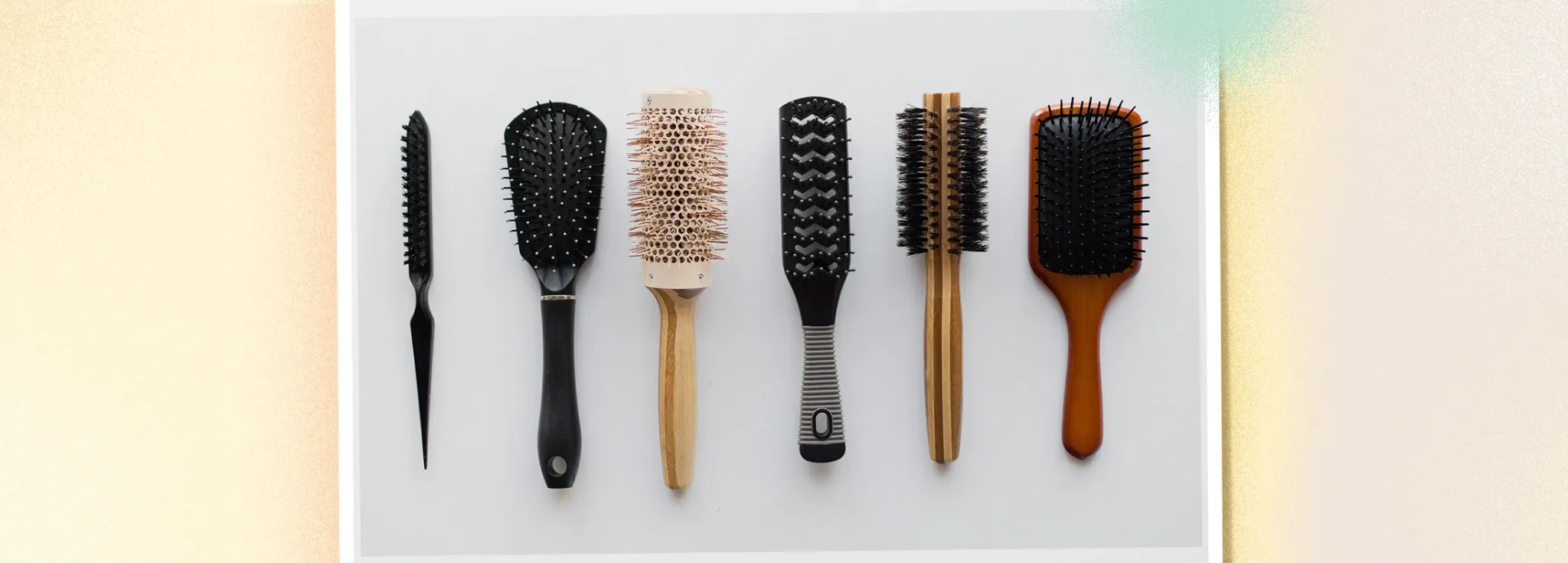
A hair brush uses rows of bristles — natural, synthetic, or a mix — mounted on a cushioned or solid base with a handle. Because bristles are densely packed and cover a wide area, a brush can smooth a large section of hair in a single stroke.
Brushes excel at three things: distributing natural scalp oils from root to end for added shine, smoothing the cuticle to reduce frizz, and working with heat tools during blow-drying to shape and add volume. They also provide gentle scalp stimulation, which encourages blood circulation to the follicles.
Common Types of Hair Brushes
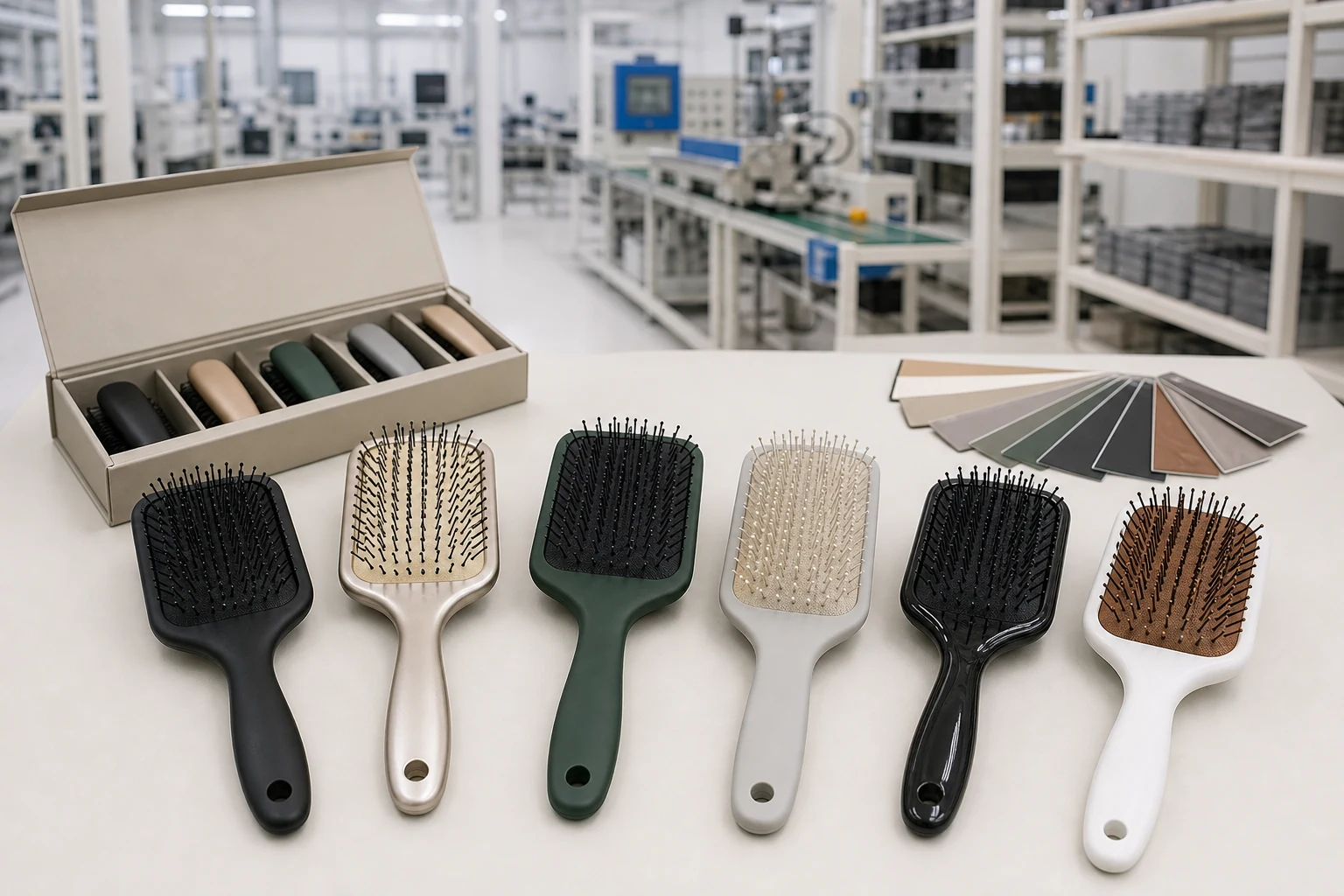
Different brush designs serve different purposes. Paddle brushes handle large sections of straight or long hair quickly. Round brushes create tension for blow-dry volume and curled ends. Boar bristle brushes are the gold standard for oil distribution and smoothing. Vent brushes speed up drying by allowing airflow through the base. Detangling brushes use flexible bristles that bend around knots instead of pulling through them.
When Brushing Works Best
Blow-drying and heat styling: A round or paddle brush paired with a dryer creates smooth, voluminous results that last.
Smoothing frizz on dry hair: A few strokes with a boar bristle brush flatten lifted cuticles and tame flyaways.
Distributing natural oils: Brushing moves sebum along the hair shaft, naturally conditioning straight and wavy hair without adding product.
Adding volume and root lift: Brushing at the roots separates strands and creates fullness, especially during blow-drying.
Scalp stimulation: The repeated contact of bristles gently massages the scalp, supporting blood flow and nutrient delivery to follicles.
What Is a Hair Comb and What Does It Do?
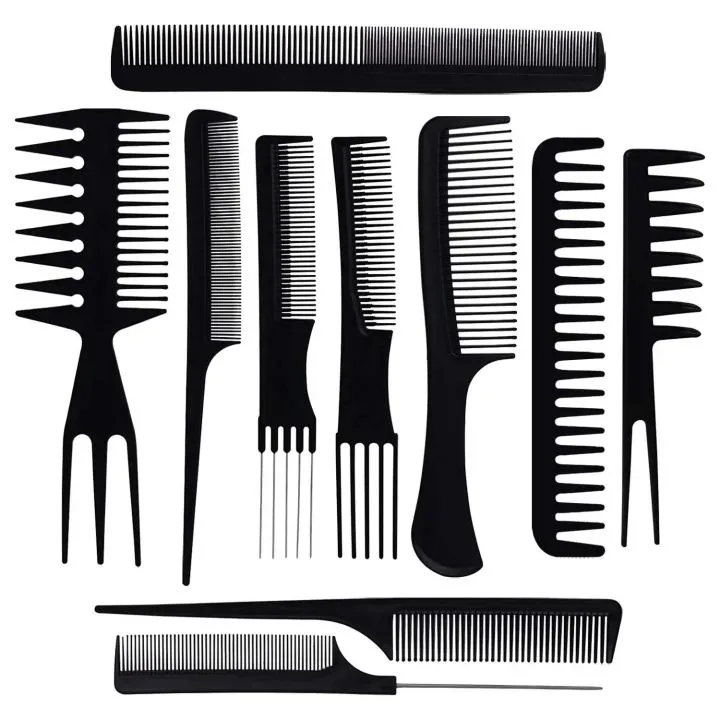
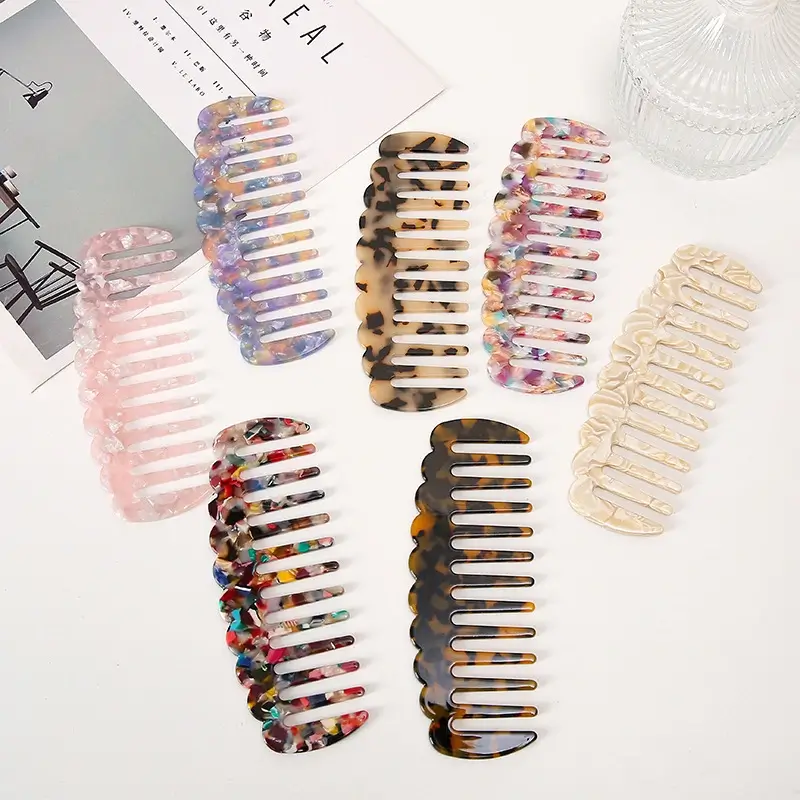
A comb is a flat tool with a row of teeth — wide, fine, or mixed — cut from plastic, wood, metal, or acetate. Unlike a brush that covers a broad area, a comb works through smaller sections with more precision and far less pulling force.
Combs are the go-to tool for detangling (especially on wet or fragile hair), creating clean parts and sections, evenly distributing products like conditioner or oil, and maintaining curl definition without disrupting the natural pattern.
Common Types of Combs
Wide-tooth combs are the safest for wet and curly hair, gliding through without snagging. Fine-tooth combs create sleek, polished finishes and neat parts. Tail combs provide precision for sectioning and detailed styling. Barber combs offer an all-purpose option for cutting and daily grooming. Rake combs work through thick, dense hair with minimal resistance.
When Combing Works Best
Detangling wet hair: Wet hair stretches up to 30% more than dry hair. A wide-tooth comb removes tangles with minimal tension, preventing the snapping that brushes can cause.
Curly and textured hair grooming: Combing on damp, conditioned curls separates strands gently, keeping curl clumps intact and frizz at bay.
Precise styling and parting: A tail comb or fine-tooth comb creates sharp, clean parts and detailed placements that brushes cannot achieve.
Even product distribution: Running a wide-tooth comb through hair coated with conditioner, oil, or a styling product ensures every strand gets equal coverage from root to tip.
Sectioning for treatments or coloring: Combs divide hair into clean, even sections, making chemical treatments, color application, and heat styling more precise and uniform.
Brushing vs Combing: Key Differences at a Glance
| Factor | Brushing | Combing |
|---|---|---|
| Coverage per stroke | Large sections quickly | Smaller sections precisely |
| Primary strength | Smoothing, oil distribution, styling | Detangling, parting, curl preservation |
| Tension on hair | Higher — more bristles grip more strands | Lower — wider teeth spread force evenly |
| Best for wet hair? | Not recommended | Yes — wide-tooth comb is ideal |
| Scalp stimulation | Moderate to high | Low to moderate |
| Breakage risk | Higher if used on wet or tangled hair | Lower with correct technique |
| Best hair types | Straight, thick, blow-dried hair | Curly, coily, fine, chemically treated hair |
| Styling use | Blow-drying, volume, smoothing | Sectioning, parting, defining curls |
| Oil distribution | Excellent — spreads sebum root to tip | Limited — mainly separates strands |
| Portability | Bulkier, better for home use | Compact, easy to carry |
Brushing vs Combing: A Closer Look at What Matters
Breakage and Hair Damage
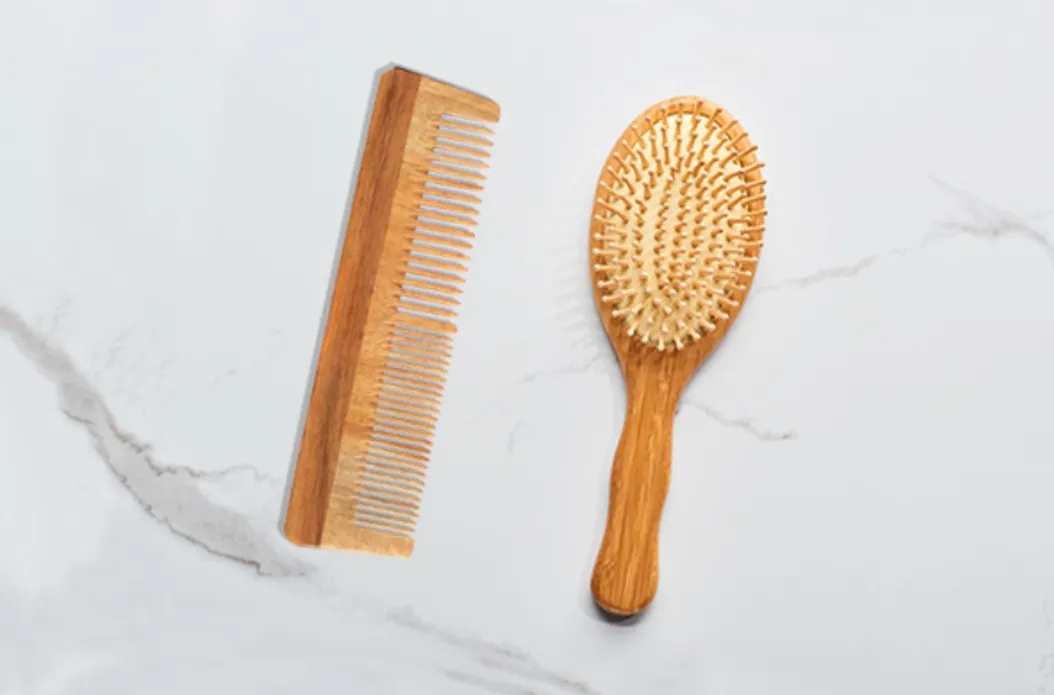
Research has shown that brushes cause more hair breakage than combs, largely because densely packed bristles grip more strands at once and create higher tension. This is especially true on wet hair, which is more elastic and easier to snap. A wide-tooth comb distributes force across fewer contact points and glides through tangles more gently, making it the safer choice for fragile, fine, or chemically processed hair.
Oil Distribution and Shine
This is where brushes have a clear advantage. Boar bristle brushes, in particular, are highly effective at picking up sebum from the scalp and spreading it along the full length of the hair shaft. This natural conditioning process adds noticeable shine and reduces dryness without any product. Combs are not designed for this — their widely spaced teeth pass through hair without much contact, leaving oils concentrated near the roots.
Scalp Health and Stimulation
Brushing provides more scalp contact than combing. The repeated sweeping motion of bristles acts like a gentle massage, increasing blood flow to the scalp surface. Better circulation means more oxygen and nutrients reach the hair follicles, which supports healthy growth over time. Combing touches the scalp less and focuses more on the hair itself, so it offers minimal stimulation by comparison.
Curl Pattern and Texture Preservation
For anyone with curly, coily, or wavy hair, this is the most important factor. Dry brushing pulls apart curl clumps, disrupts the natural curl pattern, and creates frizz — sometimes irreversibly for that wash cycle. Combing on damp, conditioned hair allows you to separate curls gently, keep definition intact, and detangle without disturbing the texture. This is why virtually every curly hair care guide recommends combs over brushes. For more on choosing the right comb by hair type, see our guide to the 13 types of combs and hairbrushes.
Styling Versatility
Brushes are more versatile for overall styling: creating blow-dry volume, smoothing lengths, building root lift, and shaping hair with heat. Combs, on the other hand, offer precision that brushes cannot match — clean parts, sharp edges, neat braids, and sectioned styling. Many professionals use both in a single session: a comb for sectioning and detail work, then a brush for finishing and smoothing.
Frizz Control
Plastic brushes can generate static electricity, which lifts strands and creates flyaways. Natural bristle brushes (like boar bristle) reduce static and smooth the cuticle, making them much better for frizz control. Combs made from wood or acetate are also static-free and work well for taming frizz on textured or wavy hair without pulling strands apart.
Does Material Matter? Brush and Comb Materials Compared
The material of your tool affects static, friction, durability, and comfort. Here is how the most common options compare:
Plastic — affordable, lightweight, and easy to clean. However, plastic creates static electricity that causes frizz, and rough seams on cheap combs can snag and damage the cuticle. Best for occasional use or travel.
Wood — naturally anti-static and gentle on the scalp. Wooden combs and brushes reduce tangling and are comfortable to use. They need occasional oiling to prevent drying or cracking. A strong choice for daily use on most hair types.
Acetate — a cellulose-based material that is smooth, static-free, and highly polished. Acetate combs glide through hair with minimal friction and feel premium in the hand. They are more durable than standard plastic and often used in high-end salon tools.
Natural bristles (boar bristle) — the best option for distributing oils and smoothing the cuticle. Boar bristle brushes add shine and reduce frizz without static. They work best on straight to wavy hair and are less effective for detangling thick curls.
Metal — durable and heat-resistant, making metal combs a staple in professional heat-styling. They hold up well under blow-dryer temperatures. However, metal can irritate a sensitive scalp and should be used carefully on fine or delicate hair.
Special Situations: Choosing the Right Tool
After the shower (wet hair): Always reach for a wide-tooth comb. Start detangling from the ends and work your way up to the roots, holding the section above the tangle to reduce pulling. Never brush wet hair — the bristles grip too many strands and cause breakage.
Before heat styling: Use a heat-resistant comb to section hair, then switch to an appropriate brush (round or paddle) during blow-drying. This combination gives you both precision and smooth results.
Thinning or fragile hair: Choose soft-bristled brushes or wide-tooth combs that minimize tension. Avoid aggressive pulling and always detangle gently from the ends up. Flexible detangling brushes are another good option for reducing stress on weakened strands.
Children's hair: A soft detangling brush or a wide-tooth comb used gently is the safest choice. Look for tools with rounded tips that will not scratch the scalp or cause discomfort.
Chemically treated or colored hair: Processed hair has a weakened cuticle and is more prone to breakage. Use minimal-friction tools — acetate combs, boar bristle brushes, or flexible detangling brushes — and handle hair gently to preserve color and reduce split ends. The American Academy of Dermatology offers additional tips for preventing hair damage during daily styling.
Which Tool Should You Use? A Quick Hair Type Guide
Final Thoughts
Brushing and combing are not interchangeable — each tool has strengths that suit different hair types, conditions, and styling goals. A brush smooths, distributes oil, and adds volume on dry hair. A comb detangles, preserves curls, and handles wet or fragile hair safely. Most people benefit from keeping both in their routine and knowing when to reach for each one.
The key principles are simple: use a comb on wet hair, match the tool to your hair texture, be gentle, and start from the ends. With the right approach, your grooming routine protects your hair instead of damaging it — and the results show in healthier, shinier, more manageable strands every day.