Paddle brushes are loved for their large, flat heads and gentle detangling. A key part of their function is how the bristles are anchored into the cushion (the pneumatic pad). Different bristle types need different attachment solutions to give the right balance of strength, flexibility, comfort and serviceability. This article explains the two common attachment approaches you described: the I-shaped snap used for wooden, metal and wide nylon pins, and the elongated slot used for fine nylon filaments — and why each works.
The cushion and why attachment matters
The cushion is usually a flexible rubber or elastomer pad seated in the brush head. It must hold bristles firmly while allowing a little give so the brush glides over the scalp. A poor attachment will lead to bristles popping out, loosened tufts or noisy brushes. Modern paddle brushes therefore use mechanical anchoring methods that avoid messy adhesives, allow efficient assembly, and withstand repeated use.
I-shaped snap — how it looks and works
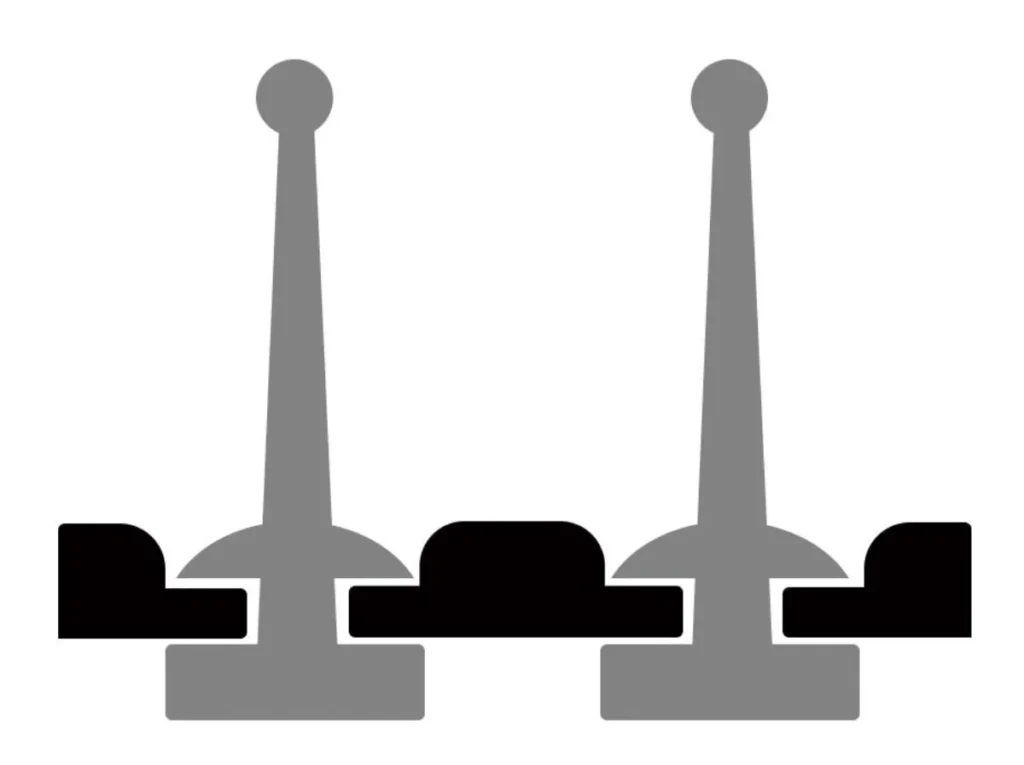
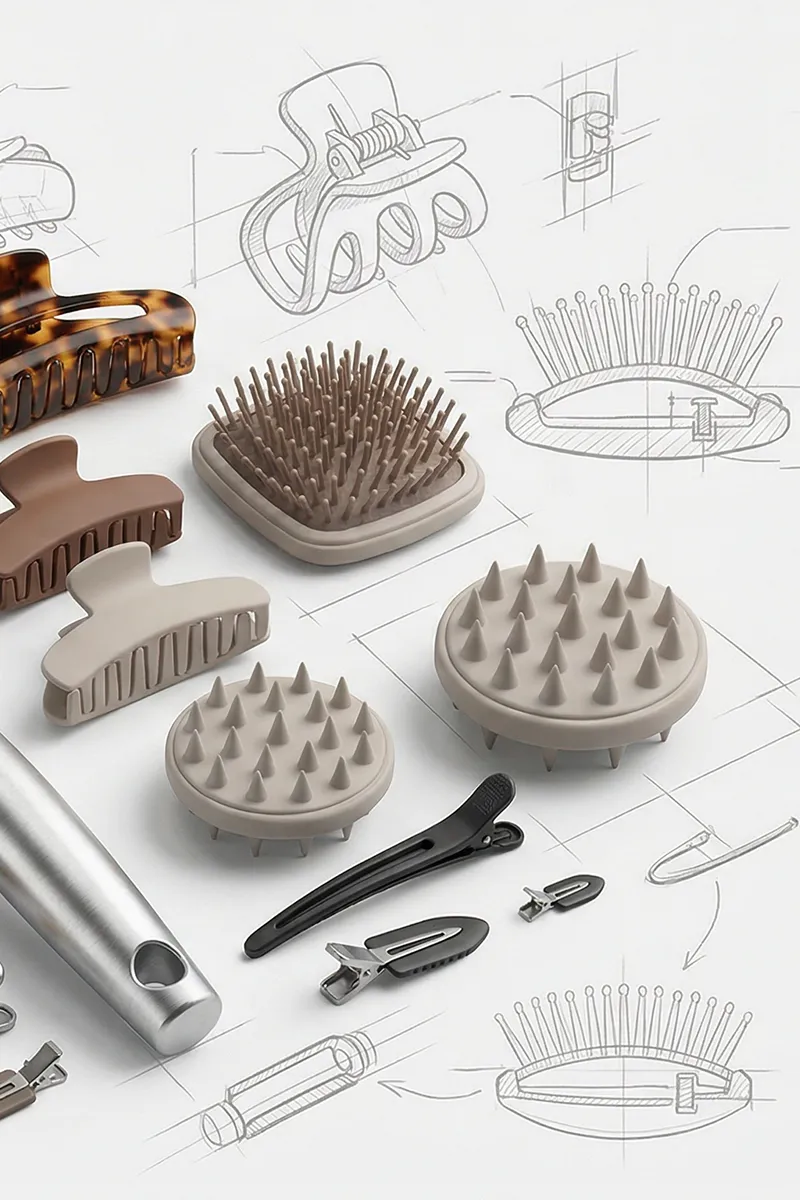
The I-shaped snap is a small plastic (or sometimes metal) anchor shaped like a capital “I” in cross-section:
- Top flange — sits at the visible top around the bristle shaft.
- Stem (web) — passes through the cushion’s hole.
- Bottom flange — expands below the cushion to prevent pull-through.
How bristles use it: for wooden pins, metal shafts or thick nylon pins, the bristle or the bristle’s molded base is integrally formed or fitted onto an I-shaped anchor. During assembly the anchor is pushed through a pre-cut round or slotted hole in the cushion until the lower flange snaps into place beneath the pad. The I shape locks the bristle vertically and resists pulling forces.
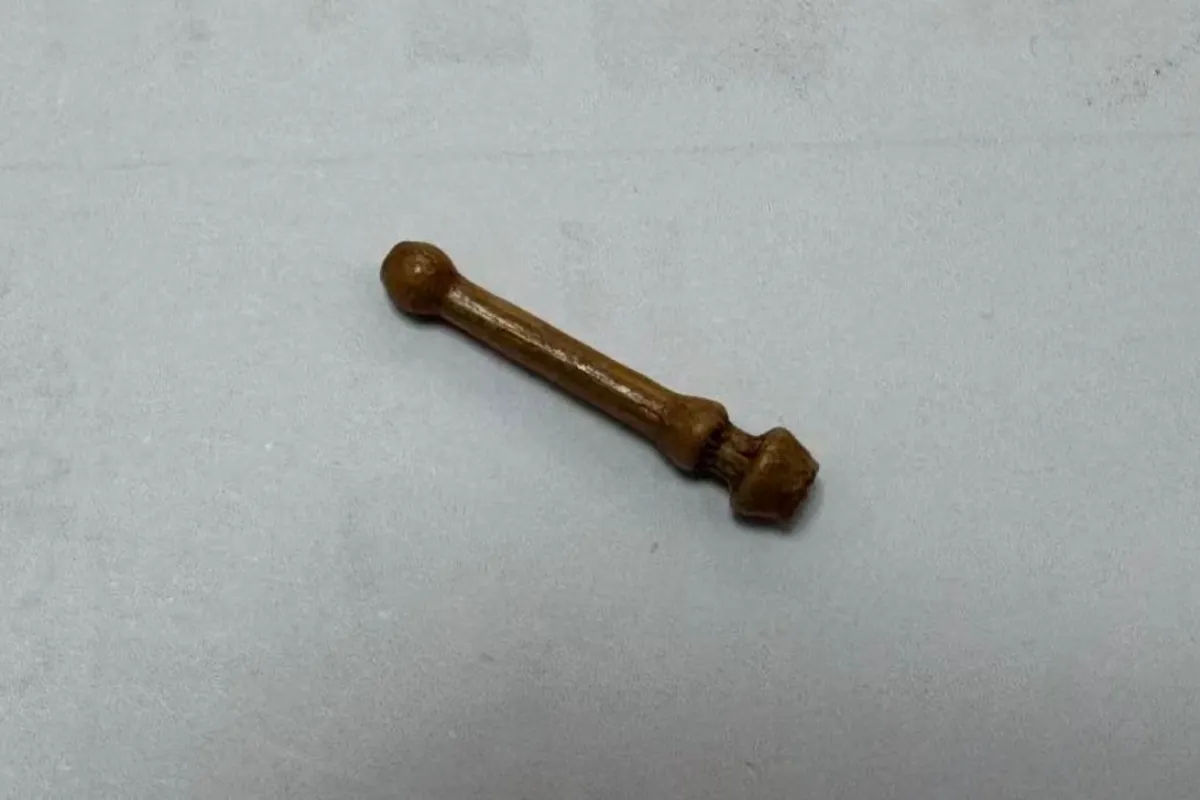
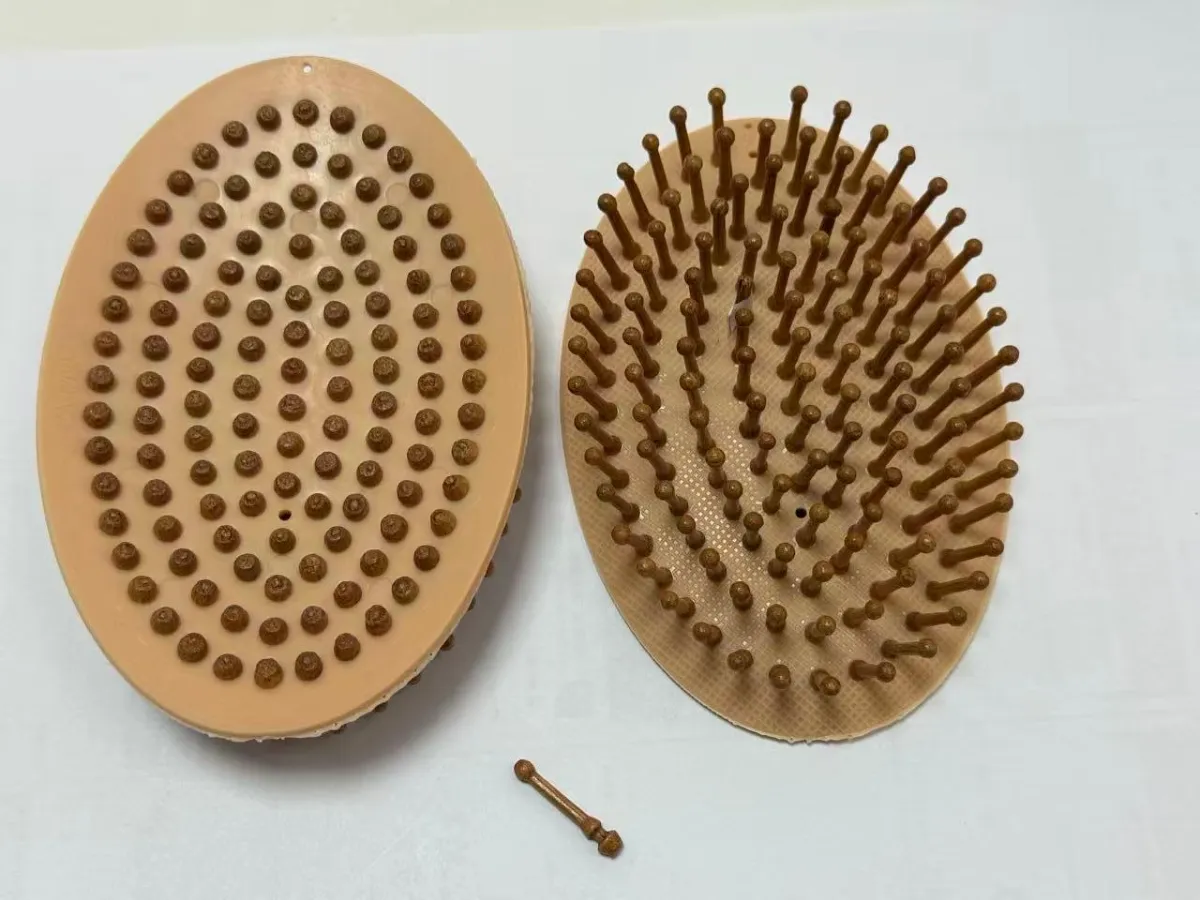
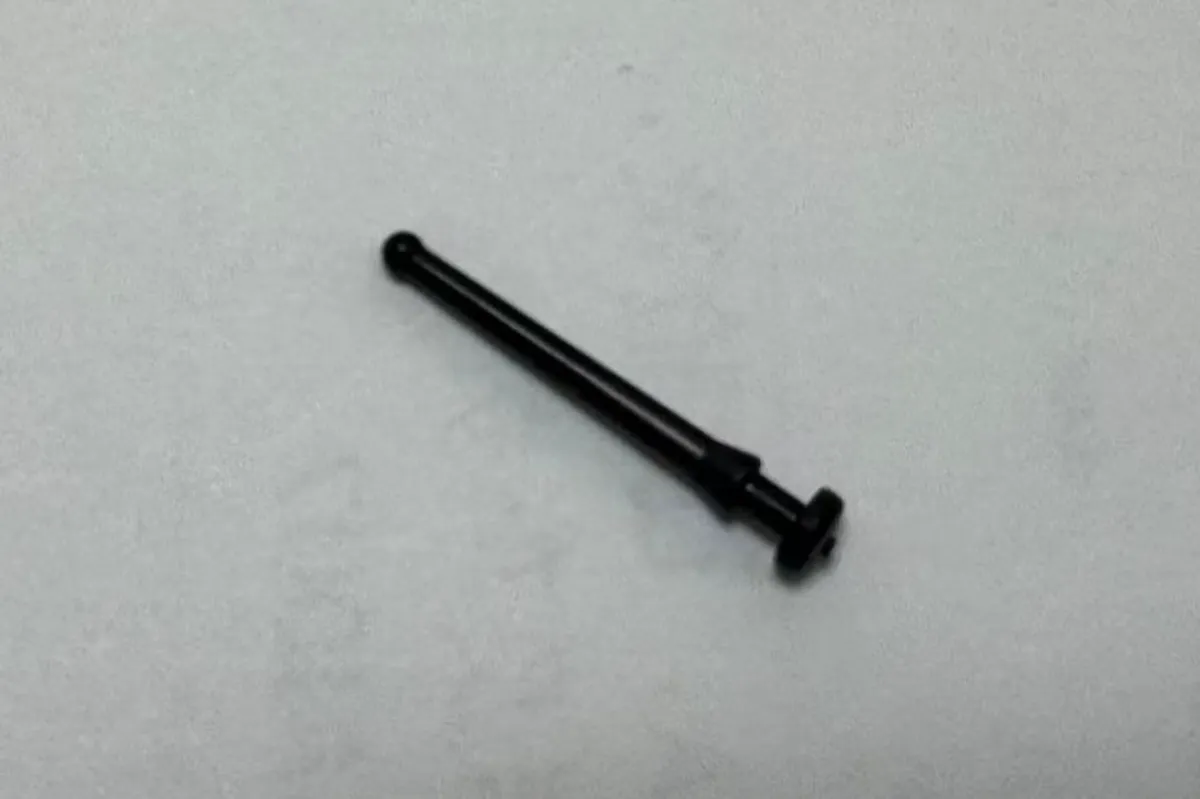
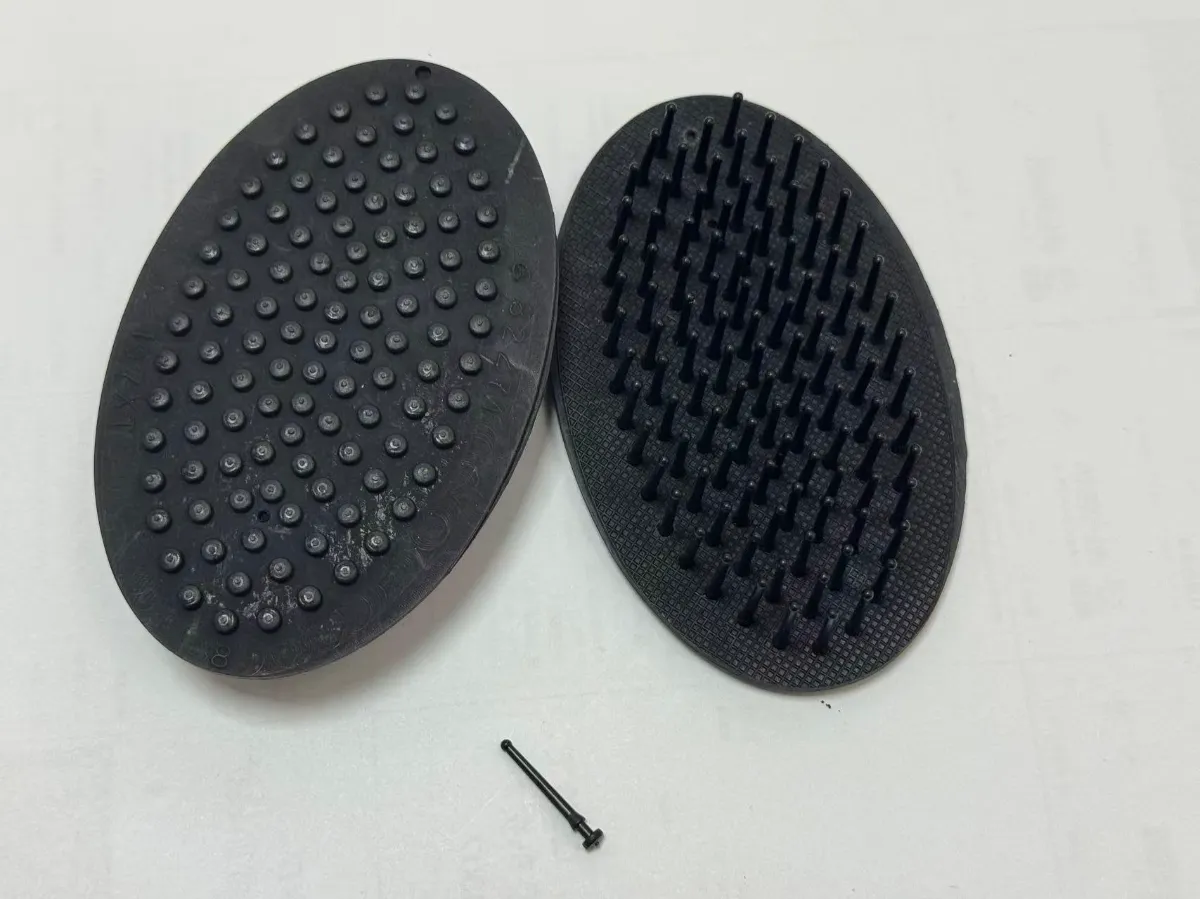
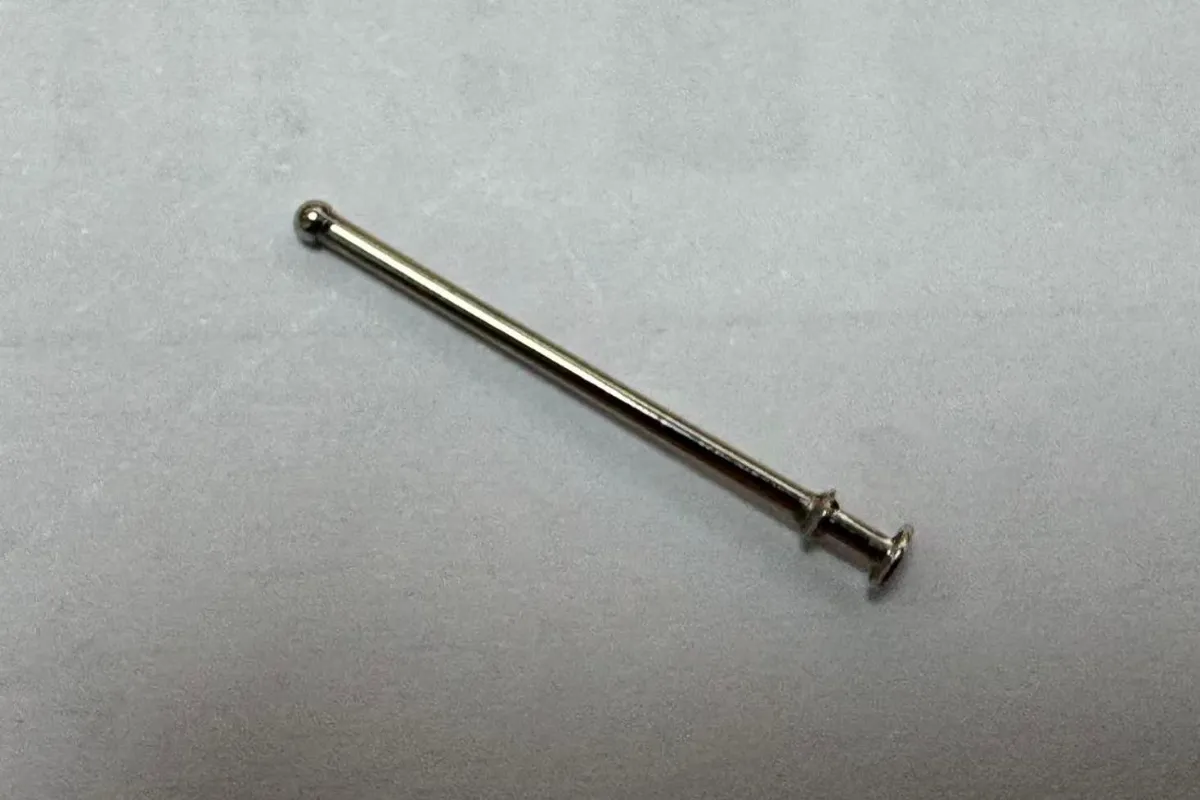
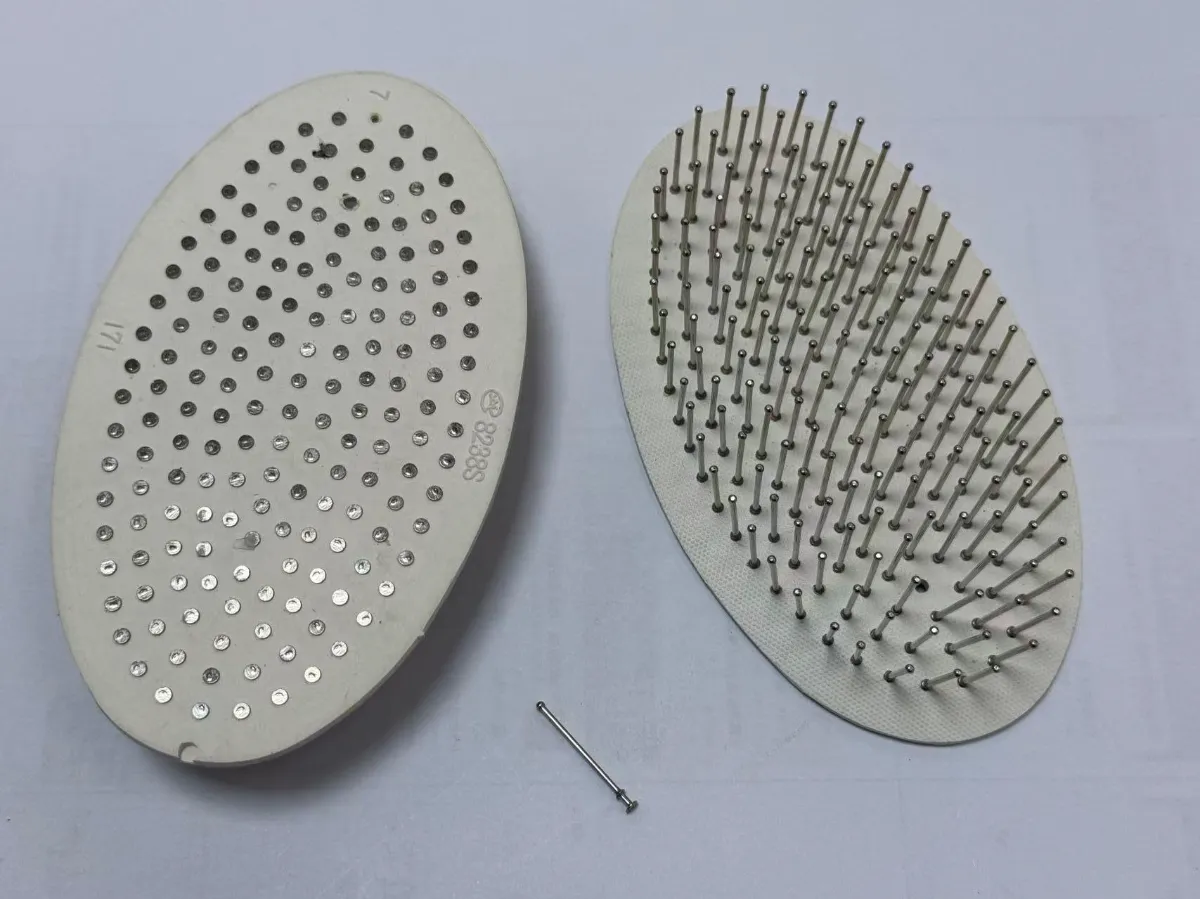
Why it’s used for wood/metal/wide nylon:
- These bristles are relatively thick and stiff, so a positive mechanical clip gives high pull-out resistance.
- The I-snap distributes stress across the cushion instead of relying on glue.
- It allows quick, repeatable production (snap-in assembly) and enables replacement or recycling strategies because parts can be disassembled more easily than glued systems.
- The same basic I-snap can be scaled (different flange sizes) to suit wooden pins, metal shafts with ferrules, or molded nylon pins.
Design considerations
- Cushion hole tolerances must match the anchor flange size so the snap is secure without tearing the pad.
- The anchor material must resist repeated flexing and not corrode when paired with metal shafts.
- For wooden pins, the top portion can be a molded socket that the wood pin presses into before the anchor is snapped into place.
Elongated slot for fine nylon — how it works
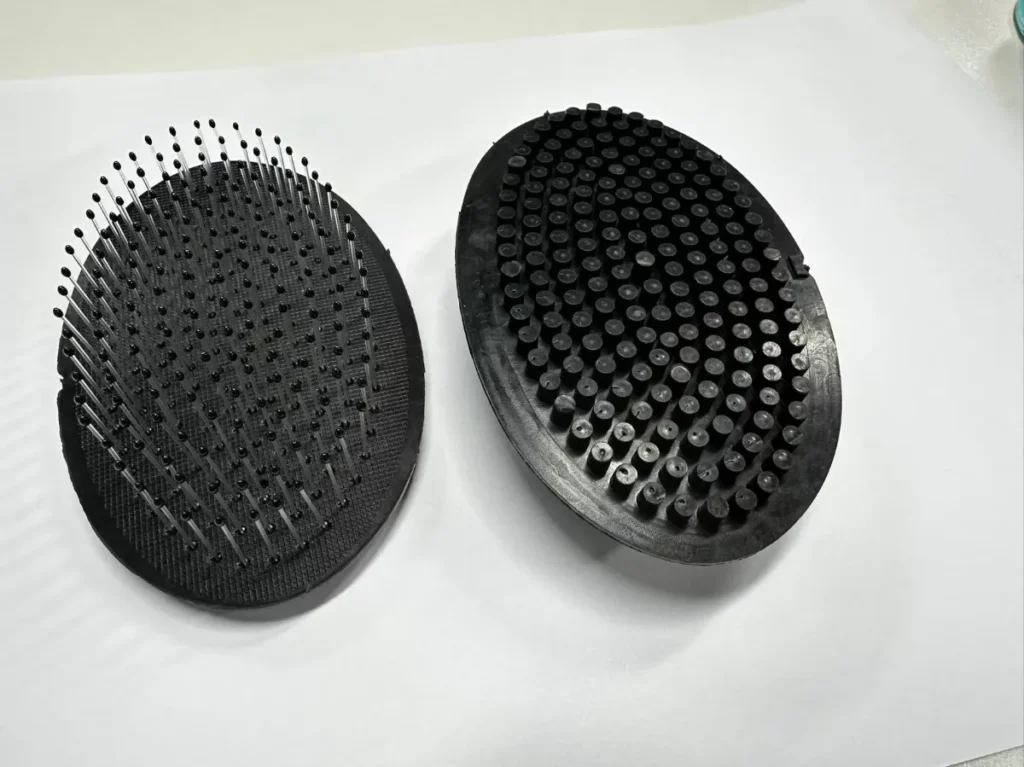
Fine nylon bristles are typically bundled as a tuft of many thin filaments. Instead of discrete anchors, these tufts are inserted into elongated slots cut into the cushion.
How it works: the bundle of fine filaments is inserted into an extended slot in the pad; the slot’s geometry and the pad’s elasticity hold the filaments in place by friction and compression. Because the slot is long, it accommodates a larger tuft without compressing the pad excessively. Importantly—per your instruction—this method uses no glue: retention relies on tight fit and the pad’s elastic closure around the tuft.
Why this suits fine nylon:
- Fine filaments are flexible and compressible; grouping them into a single long pocket produces a secure, low-profile tuft.
- No hard anchor is needed, so the brush head remains softer and less likely to create focal stress points in the pad.
- Production-wise, inserting bundles into slots can be faster for high-density fine bristle patterns and avoids adhesive curing time.
Design considerations
- Slot width and length must be controlled precisely to prevent slippage while avoiding excess compression that damages the filaments.
- Because there’s no adhesive, ongoing quality control (pull tests) ensures tuft retention meets expectations.
- Fine-filament tufts in slots may be easier to trim or replace in repairs, compared with glued anchors.
Quick comparison — when each method shines
- I-shaped snap (wood/metal/wide nylon): best for stiffness, pull resistance and modular assembly. Ideal when individual pins must remain firmly seated over long use.
- Elongated slot (fine nylon): best for soft, dense tufting and a smoother cushion surface; ideal for flexible, scalp-friendly bristle arrays where individual filaments don’t need heavy mechanical anchoring.