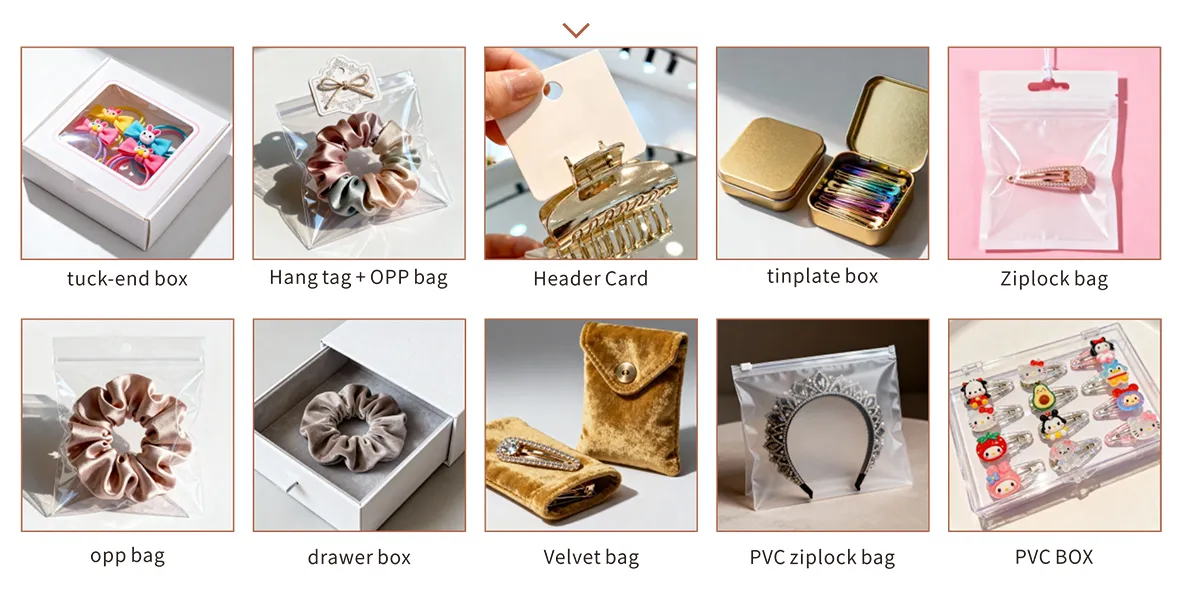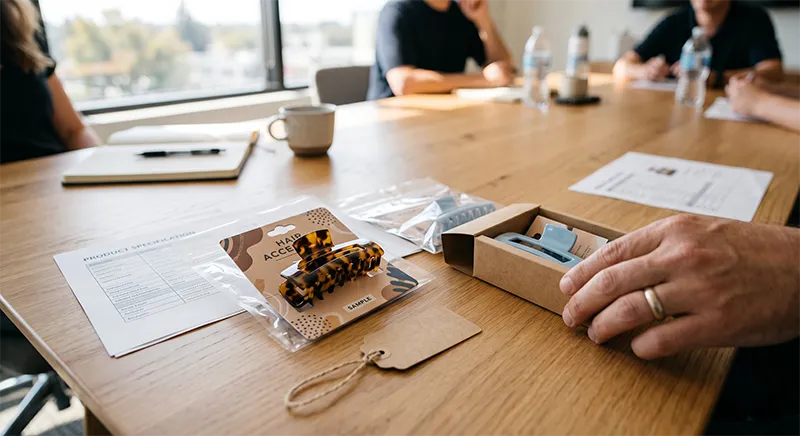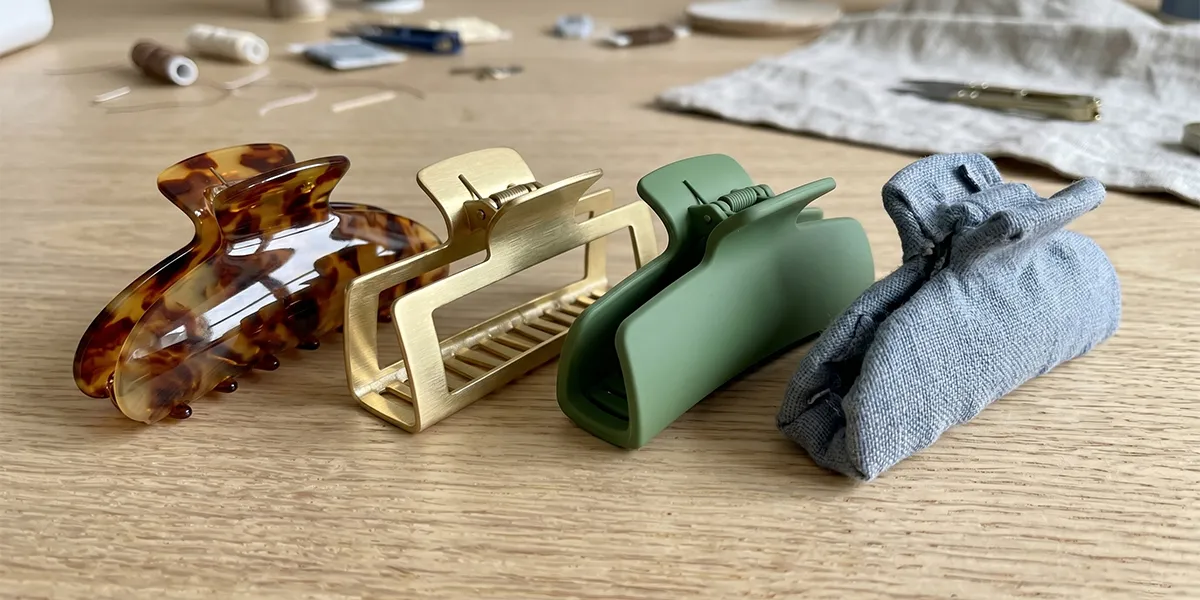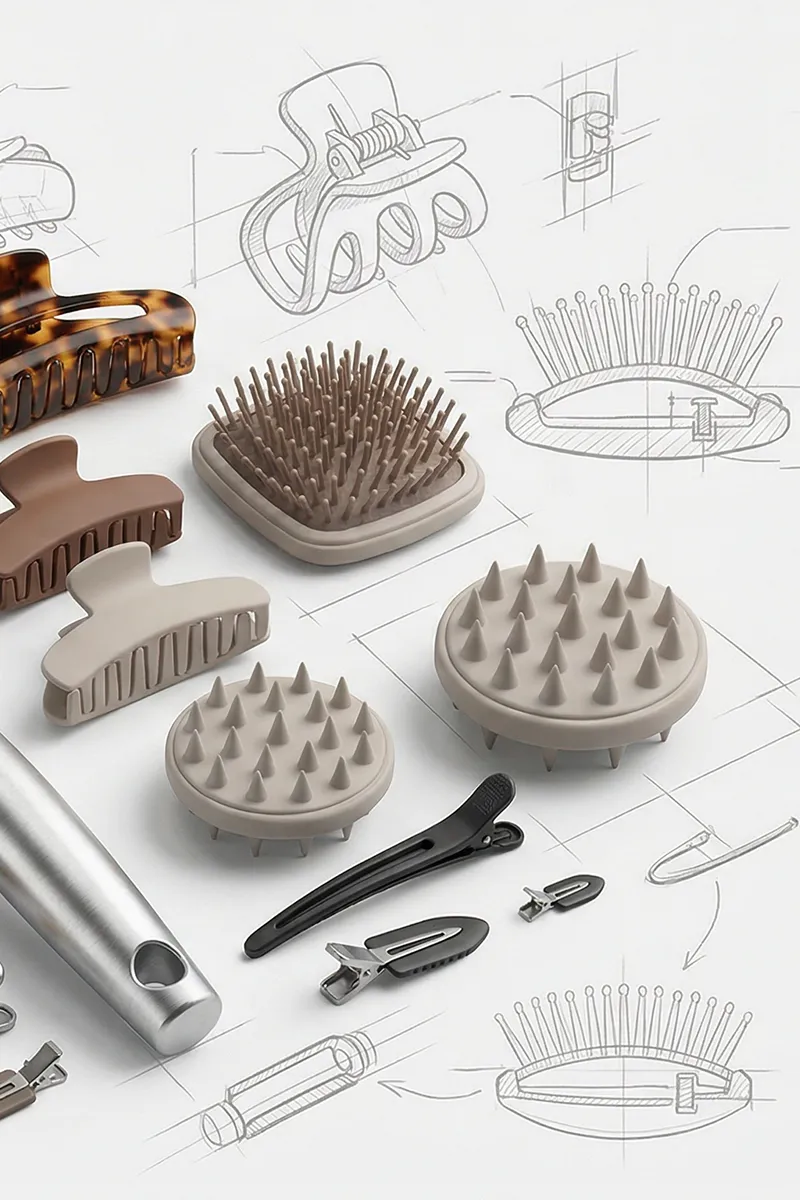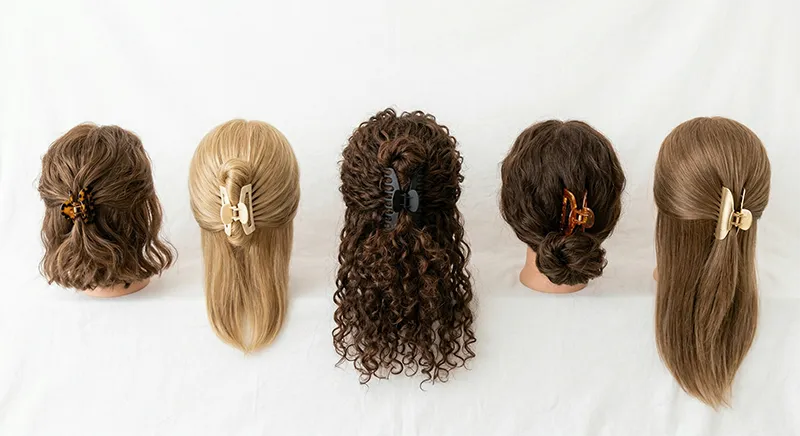
A claw clip hairstyle is any hair arrangement that uses a spring-hinged, toothed clip — commonly called a jaw clip or claw clip — to gather, twist, or secure hair in place without the tension associated with elastic hair ties. Originally patented in 1989 and popularised throughout the 1990s, the claw clip has re-emerged as one of the most searched hair-accessory styling terms across social platforms and search engines alike, driven by demand for low-damage, time-efficient hair solutions suited to all textures and lengths.
This guide presents 25 claw clip hairstyles organised by hair type, along with practical clip-selection advice covering size, material, and tooth design. The information is structured to serve both end users seeking styling ideas and hair claw clip buyers evaluating which clip formats generate the strongest consumer engagement — a consideration that directly influences product assortment decisions.
Why Claw Clip Hairstyles Work for Every Hair Type
Claw clips function through a mechanical spring system that opens two sets of interlocking teeth. Unlike elastic bands that compress hair into a fixed circumference, claw clips allow the hair bundle to occupy variable space between the jaws, reducing breakage and tension on the hair shaft.
This design principle makes claw clips suitable across the full spectrum of hair types:
- Fine and straight hair benefits from clips with closely spaced teeth and moderate spring tension, preventing slippage without excessive grip.
- Thick and coarse hair requires larger clips with deeper jaws and stronger springs to accommodate greater volume.
- Curly and coily textures work best with wide-tooth clips that hold volume without flattening the curl pattern.
- Wavy and medium-density hair offers the most versatility, as most standard claw clip sizes perform effectively.
Understanding this mechanical relationship between clip design and hair type is essential for brands developing product lines intended to serve multiple consumer segments.
Choosing the Right Claw Clip Size
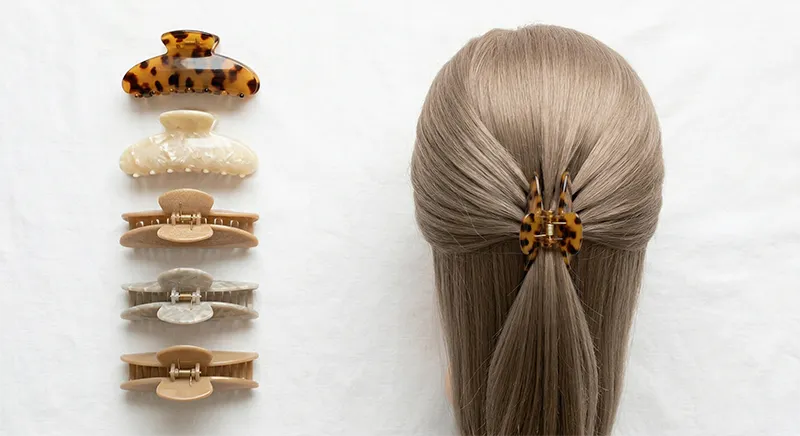
Clip size is the single most important factor in determining whether a claw clip hairstyle holds securely throughout the day. Selecting a clip that is too small for the volume of hair leads to breakage and slippage; choosing one that is too large results in an unstable, loose fit.
The following table outlines general sizing recommendations based on hair length and density.
| Clip Size | Approximate Length | Best Suited Hair Type | Typical Hairstyles |
|---|---|---|---|
| Mini | 2.5–4 cm | Fine, short hair | Sectioning clips, accent pieces |
| Small | 4–6 cm | Fine to medium, short to medium length | Half-up styles, side clips |
| Medium | 6–9 cm | Medium density, medium to long length | French twists, ponytails, buns |
| Large | 9–12 cm | Thick, long hair | Full updos, high twists |
| Jumbo | 12 cm+ | Very thick, very long, or coily hair | Full French twists, oversized buns |
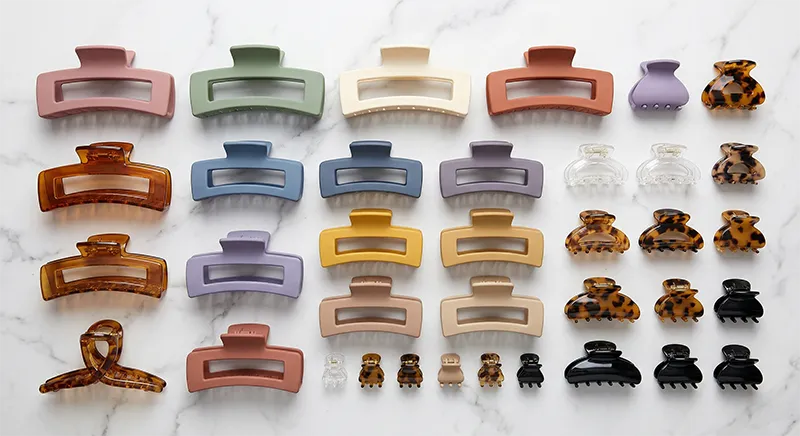
Manufacturers and private label buyers typically stock small, medium, and large as the core SKU range, with mini and jumbo sizes offered as extended-range options for niche retail channels.
10 Claw Clip Hairstyles for Fine and Straight Hair
Fine hair tends to be smoother and more prone to slipping from standard clips. Styles that concentrate the hair into a tighter bundle before clipping tend to hold more reliably. The following ten styles are well suited to fine and straight textures:
- Low twisted bun — Gather hair at the nape, twist into a compact rope, and secure with a medium clip.
- Half-up with mini clip — Pull the top section back and pin with a small or mini claw clip just above ear level.
- Side-sweep tuck — Sweep hair to one side, fold the ends under, and clip near the ear for a clean silhouette.
- Sleek centre-part pull-back — Part hair down the middle, smooth both sides back, and clip at the crown.
- Double mini clip accent — Use two mini clips symmetrically to pin back front sections on both sides.
- Low ponytail with clip base — Create a low ponytail, twist twice, and cover the base with a medium clip.
- Flat French twist — Roll hair vertically from the nape upward and secure with a narrow rectangular claw.
- Wrapped loop — Loop the ponytail back on itself and catch the fold with a small clip.
- Behind-the-ear pin — Tuck one side behind the ear and anchor with a mini clip for an asymmetric look.
- Stacked half-up — Layer two small clips vertically along the back centre of the head for added grip on slippery hair.
8 Claw Clip Hairstyles for Thick and Curly Hair
Thick and curly hair demands clips with deep jaw clearance, strong spring tension, and wide tooth spacing. Styles that distribute weight evenly rather than concentrating it at a single point produce more stable results.
- Oversized French twist — Twist all hair upward from the nape and use a large or jumbo clip to secure. Allow the ends to fan out at the crown.
- High pineapple — Gather curls loosely at the top of the head and clip with a large claw, letting volume cascade forward.
- Loose low bun — Twist hair into a relaxed bun at the nape and secure with a large clip, leaving face-framing curls free.
- Half-up volume lift — Clip the top half of curls at the crown with a large clip to create lift and separate layers.
- Twisted side sweep — Twist a section from one side across the back and clip behind the opposite ear with a medium-to-large clip.
- Braided base with clip — Braid hair loosely, fold the braid upward, and clip the fold with a jumbo claw.
- Double section twist — Divide hair into two sections, twist each, overlap them at the back, and clip both together.
- Curly cascade ponytail — Secure hair mid-height with a large clip, leaving curls to spill naturally over the top of the clip.
For thick and curly hair, reinforced nylon or high-grade ABS clips with metal spring cores tend to provide the durability and tension required for all-day hold.
7 Claw Clip Hairstyles for Medium-Length and Wavy Hair
Medium-length wavy hair offers perhaps the broadest range of claw clip styling possibilities, as most standard clip sizes and styles produce reliable results.
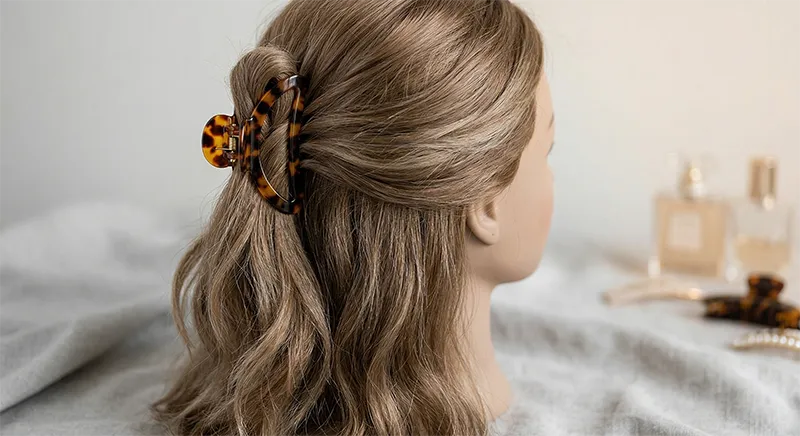
- Classic twist-and-clip — The foundational claw clip style: gather, twist, clip upward. Works in under ten seconds.
- Messy low bun — Pull hair into a loose low bun, allowing wisps and texture to show, and secure with a medium clip.
- Half-up with face-framing layers — Pull the top half back, leaving pieces around the face, and clip at the mid-crown.
- Side bun — Sweep all hair to one side, twist into a bun at ear level, and secure with a medium clip.
- Criss-cross half-up — Take two sections from either side, cross them at the back, and clip where they meet.
- Textured ponytail lift — Create a ponytail, lift it slightly before clipping, and allow the clip to prop up the base for added volume.
- Space bun pair — Part hair in the middle, twist each side into a bun, and secure each with a small clip for a balanced look.
Material Considerations That Affect Styling Performance
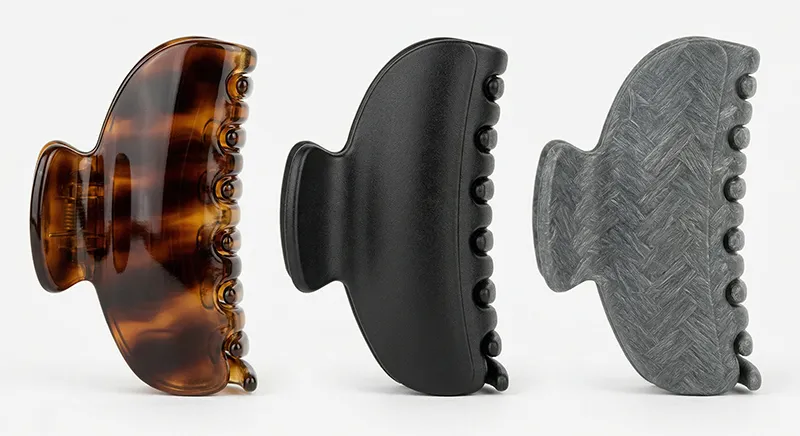
The material composition of a claw clip directly influences its grip strength, durability, comfort, and suitability for specific hair types. Buyers sourcing claw clips for retail or salon distribution should evaluate material options against their target customer profile.
The comparison below summarises the key material differences relevant to styling performance.
| Material | Grip Texture | Durability | Flexibility | Best For |
|---|---|---|---|---|
| Cellulose Acetate | Slightly textured, natural feel | High | Moderate — bends before breaking | Fine to medium hair, premium retail |
| ABS Plastic | Smooth | Medium | Low — can snap under stress | Mass market, standard density hair |
| Reinforced Nylon | Textured matte finish | Very high | High — designed to flex | Thick, curly, coily hair |
| Metal Alloy | Smooth, polished | Very high | Low | Accent clips, decorative styles |
Tips for Secure Hold Across All Hair Types
Regardless of the specific claw clip hairstyle chosen, several techniques improve hold and comfort throughout the day:
- Twist before clipping. Twisting hair into a rope before clipping concentrates the bundle and gives the teeth a firmer grip surface.
- Match clip size to hair volume. An oversized clip on fine hair leaves excess space that allows shifting; a small clip on thick hair overstresses the spring mechanism.
- Add texture for slippery hair. Dry shampoo or texture spray applied before clipping creates friction that helps fine or freshly washed hair stay in place.
- Position the clip at an angle. Clipping slightly off-centre or at a diagonal distributes weight more evenly than a straight horizontal placement.
- Use the teeth, not the jaws. The teeth provide the primary grip. Hair should sit within the teeth rather than being crushed against the jaw walls.
These principles apply equally to professional salon settings and everyday consumer use, and they represent practical knowledge that brands can incorporate into product packaging inserts or instructional content. research on traction alopecia prevention published by the National Institutes of Health
Claw Clip Hairstyles and Social Commerce: Why This Category Matters for Brands
Claw clip hairstyles consistently rank among the highest-engagement hair accessory categories on TikTok and Pinterest. The visual, tutorial-friendly nature of claw clip styling content translates directly into consumer purchase behaviour, making this a high-value product category for both D2C and wholesale channels.
For brands and hair accessory distributors evaluating product line expansion, several market dynamics are relevant:
- Search volume remains strong year-round, with seasonal peaks during back-to-school and holiday gifting periods.
- Visual content drives conversion. Products shown in styled context outperform plain product-only imagery in social advertising and marketplace listings.
- Size variety increases basket value. Consumers purchasing claw clips often buy multiple sizes to accommodate different claw clip hairstyles, creating natural upsell opportunities.
- Material differentiation supports premium positioning. Acetate and sustainable-material clips command higher retail prices and attract environmentally conscious buyers.
Conclusion
Claw clip hairstyles encompass a broad and continuously growing category of hair styling techniques suited to virtually every hair type, length, and texture. From the basic twist-and-clip to more structured French twists and braided combinations, the 25 styles outlined in this guide demonstrate why claw clips remain one of the most searched and purchased hair accessory types globally.
For buyers and brand operators sourcing claw clips at scale, understanding the relationship between clip design — material, size, tooth spacing, and spring tension — and end-user styling requirements is essential for building product assortments that perform across diverse consumer segments. Manufacturers such as JunYi Beauty, which operates integrated in-house mould libraries and production facilities in Dongguan, represent the type of factory-direct OEM partner suited for brands looking to scale custom claw clip lines efficiently across multiple size and material formats.