Defining a Slicker Brush: The Basics
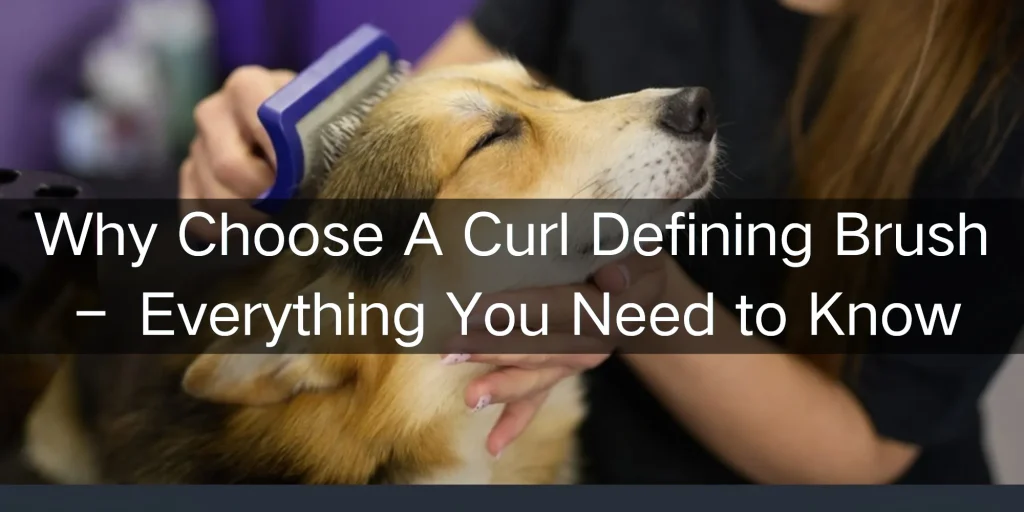
The slicker brush is a grooming tool with fine, short-wire bristles on a flat or curved pad. You employ it to get deep in the pet coat and eliminate the loose undercoat, dirt, and tangles. It is constructed differently compared to human hairbrushes, as it is designed to work with animal fur, with the ability to deal with different textures and densities.
The History and Evolution of Slicker Brushes
Slicker brushes date back to the early 20th century, being a further development of animal husbandry combs. As you dig deeper, innovations such as wooden to synthetic pads were invented that made grooming safer and more efficient. As the pet boom of the middle of the 1900s took place, there was an increased demand. Self-cleaning brushes were introduced in the 1980s. Today, you have ergonomic, environmentally-friendly designs that are comfortable and efficient.
Anatomy and Design Features of a Slicker Brush
| Component | Description | Relevant Features |
|---|---|---|
| Brush Head | Flat or slightly curved base holding the pins, typically made of plastic or rubber. |
- Flexible or rigid design to conform to pet’s body contours. - Size varies (small for cats/puppies, large for bigger breeds). - May include self-cleaning mechanisms. |
| Pins/Bristles | Fine, short, or long stainless steel wires, often bent at tips for safety. |
- Rounded tips to prevent skin scratches.
- Varying lengths for different coat types (short for standard, long for thick coats). - Anti-static coatings to reduce fur static. |
| Handle | Ergonomic grip, usually made of plastic, rubber, or wood for user comfort. |
- Non-slip rubberized grips for secure handling. - Lightweight for prolonged use. - Ergonomic shape to reduce hand fatigue. |
| Padding/Base | Cushioned layer (often rubber) beneath pins for flexibility and gentle contact. |
- Enhances comfort by adapting to pet’s body shape. - Durable materials resist wear. - May be replaceable in high-end models. |
| Self-Cleaning Mechanism | Optional feature with retractable pins or push-button for easy hair removal. |
- Button or lever to retract pins, simplifying cleaning. - Found in modern designs for convenience. - Must be durable to maintain functionality. |
Types of Slicker Brushes
Standard Slicker Brushes
Most coat types are suited to standard slicker brushes. Their short and fine wires on rectangular or rounded head remove loose hair and do not cause tangles. They can have trouble with very thick or matted fur and pressing too forcefully can aggravate the skin. The Chris Christensen Mark I and the Hartz Groomer Best Slicker are good alternatives.
Long-Pin Slicker Brushes
Long-pin slicker brushes are ideal in case your pet has long or thick hair. The extendable pins are longer to penetrate deep into the coat to loosen fur and demat. Do not use them on short-haired pets as they may hurt the pet. Be careful and do not exert too much pressure. The best ones are the Chris Christensen Big K Slicker and the Paw Brothers Extra Long Pin Slicker.
Self-Cleaning Slicker Brushes
Self-cleaning slicker brushes are a good choice when you desire convenience. Using a single button, the bristles come in and out to facilitate removal of hair. Select a good quality model, since the low quality models might be less durable. Popular versions are made by Hertzko and Pet Portal.
Flexible Slicker Brushes
Adjustable slicker brushes can adapt to the shape of your pet to help make grooming less painful. Be sure to buy ones with sturdy bristles that will not easily bend or soften. Quality alternatives are the Chris Christensen A5III and the Master Grooming Tools Flexible Slickers.
How a Slicker Brush Works: The Mechanics
The slicker brush is designed to work by lifting and separating fur layers using fine pins and trapping loose hair and debris. As you apply soft strokes, it does not pull on the skin as it detangles. In some designs, static is minimized, making coats smooth. You can access the undercoats and leave the guard hairs intact. In shedding seasons you pick fur with one stroke.
Key Benefits of Using a Slicker Brush
- Encourage coat health:A slicker brush will help alleviate matting and tangles that are uncomfortable. By brushing, you redistributing natural oils and increasing circulation of the skin, keeping the coat shiny and healthy.
- Help to shed off control:By being able to get rid of the loose hair before it drops, you eliminate fur on your house, and you make your pet more comfortable.
- Avert health complications:Grooming will help you to detect on time any health complications like fleas, ticks, or unusual lumps. Through this early detection, you are able to take action without incurring expensive treatments.
- Improve attachment:Brushing is a relaxing and shared activity. You can enhance trust and build a stronger bond with your pet.
- Cost-effectiveness:A smooth brush is cheap and does not require regular visits to the groomer, saving you money and time.
Step-by-Step Guide to Using a Slicker Brush
Prepare Your Pet
Start by making your pet relaxed. Select a serene place with no distractions. Brush on a dry, clean coat, since brushing wet or soiled fur may produce discomfort and cause breakage.
Employ the Correct Technique
Hold the slicker brush and brush towards the direction of the hair. Use light gentle strokes to pick up loose fur and avoid pulling. In case you find tangles, just take your time and do not push the brush through.
Manage the Sensitive Areas
Areas such as the belly, legs and face should be given extra attention. Apply gentle pressure and use slow movements to make your pet comfortable. This will create a bond of trust and subsequent grooming will become easier.
Set the right frequency
Daily brushing helps control loose fur on a heavy shedder pet. With pets that have a lighter coat, once per week is usually sufficient. Adjusted according to coat type and shedding season.
Post-Brushing Care
After that, remove the gathered fur out of the slicker brush. Clean bristles, as necessary Reward your pet with praise or a treat to make grooming a good experience.
Slicker Brushes for Specific Coat Types
- Long-haired breeds:A long-haired dog or cat is best suited to slicker brushes to prevent tangles and mats. Brushing helps to keep the coat smooth and shiny.
- Short-hair pets:Slicker brushes are also good to use on shorter pets, as they shed less. You may clip the undercoat without irritating the skin or over-brushing.
- Curly or wiry hair:Slicker brushes are used to brush through tangles and entanglements in the coats of breeds such as Poodles or Terriers. The brush does not knot the coat and maintains its natural texture.
- Double-coated animals:Seasonal shedding is hard. A slicker brush reaches deep enough to pluck out loose underfur to make your pet feel better.
- Hypoallergenic reasons:Slicks will help prevent allergens as they trap unwanted hair and other things by helping you get rid of them.
Maintenance and Care of Your Slicker Brush
Taking care of your slicker brush ensures it lasts longer and works effectively. If you maintain it properly, you also keep grooming safe and comfortable for your pet.
- Brush Cleaning:Deep clean the brush by soaking in warm soapy water every few weeks, rinse and allow to air dry. This will avoid rust and keep the pad fresh.
- Storage tips:Your slicker brush should always be stored in a dry place. The pins can be weakened by moisture and ruin the cushion.
- Replacing:Check out of place pins, broken bristles or worn padding. In case you notice these problems, change the brush to prevent injuring your pet.
- Durability:Quality brushes are more durable; thus buying a good brand will save you money in the long run.
Comparing Slicker Brushes to Other Grooming Tools
When you groom your pet, it helps to know how a slicker brush compares to other tools. Each has a purpose, but slickers stand out for versatility.
- Compared with bristle brushes:Slicker brushes are more effective at removing tangles and mats, whereas bristle brushes are better at smoothing the topcoat and adding shine. A bristle brush is just fine on a light shedder, but slickers get down deeper.
- Compared to pin brushes:Pin brushes are similar but have longer pins, which are suited to very thick or curly fur. Slickers, the wires of which are finer, remove more loose hair in most coats.
- Comparison to deshedding tools:You can use a slicker brush, but during heavy shedding seasons you should use a deshedding tool to reach the undercoat.
- Versus combs: Combs provide accuracy with small areas, but slickers cover more area in less time. This saves you time on your daily grooming.
- Compared to electric groomers:Electric groomers are stressful to pets and can be noisy. A slicker brush will afford more control, and a more quiet, gentle grooming process.
Tips for Choosing and Buying a Slicker Brush
When you choose a slicker brush, you need to match it to your pet’s needs. The right brush makes grooming easier and more comfortable for both of you. Keep the following tips in mind before buying.
- Size of brush:You should always use a brush that is the right size of your pet. A small head is more suited to cats or toy breeds whereas the larger heads suit medium and large dogs.
- Coat type:Take into consideration the coat of your pet. Use less stiff bristles on sensitive or short haired pets and stiffer bristles on thick or curly haired pets. This will guarantee improved performance without discomfort
- Comfortable handle:As you will use the brush frequently it is important to choose one with a sturdy handle, which is comfortable to hold. A good grip prevents hand fatigue in the long grooming sessions
- Brand suggestions:Stick to brands you trust like Hertzko or Safari. They have a reputation of producing durable and pet-friendly designs that produce good results.
- Price ranges and purchasing opportunities:Low-end brushes are cheap, whereas high-end brushes may have self-cleaning capabilities. They are available in local pet shops and online stores such as Amazon.
Conclusion
You now know what is a slicker brush and why knowing this is important in grooming. Slicker brush is more than a tool of grooming; it is a key to the health and comfort of your pet. When used properly, it decreases tangles, stops matting, and enhances shine in the coats. Every grooming session also helps to reinforce your bond with your pet as well. Remember that the type of brush should be selected according to the coat of your pet, brush it carefully and clean the tool on a regular basis. A slicker brush can make grooming stress-free and effective when used with care, which will ensure your pet feels and looks good every day.
FAQs
Q: What is a slicker brush for cats?
A slicker brush is a brush with fine wires which removes loose hair, tangles, and small mats on cats. You could use it to curb the shedding and have a shiny coat on your cat. Brush lightly across the sensitive parts to avoid irritation.
Q: What is a dog slicker brush?
A dog slicker brush aids in the management of mats and tangles as well as shedding. You may apply it on long-haired and medium-haired breeds. The fine wires go to the undercoat, but with light touch.
Q: How often should I use a slicker brush on my pet?
Long-haired animals should be brushed with a slicker brush every day. Brush every 2 to 3 days, with the short or medium coats. Increase sittings in shedding seasons.