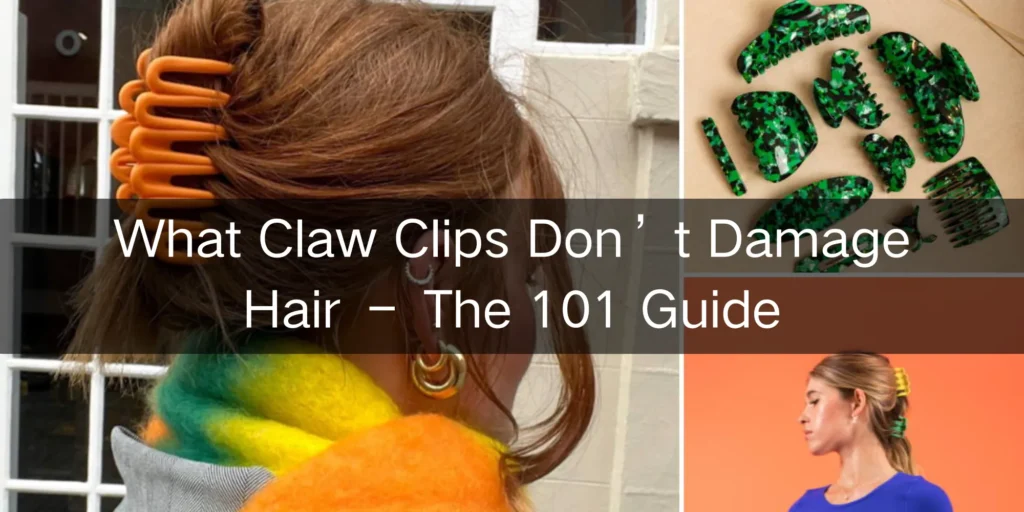
Hair claw clips without damaging hair are important to having healthy, strong, and breakage free hair. It is important to know about claw clips that will not cause damage to hair, since poorly applied clips may lead to split ends, loss of hair and stress to the scalp. This guide discusses what claw clips don’t damage hair, so that you can pick the correct materials, sizes, and designs to use on your hair. The readers will learn about safe styling tricks, the best clip choices, and professional guidance to keep their hair safe and get easy, fashionable hairstyles.
Why Hair Gets Damaged by Claw Clips?
Claw clips can destroy your hair when you cause excessive pulling or tension. Poor quality clips can snag and break. Strands can be cut or weakened by sharp edges or rough claws. Wearing the wrong size of hair thickness adds tension to the roots. Frequent cutting of the same part may lead to split ends. Otherwise you can easily see that it is getting thin, frizzy, or weak.
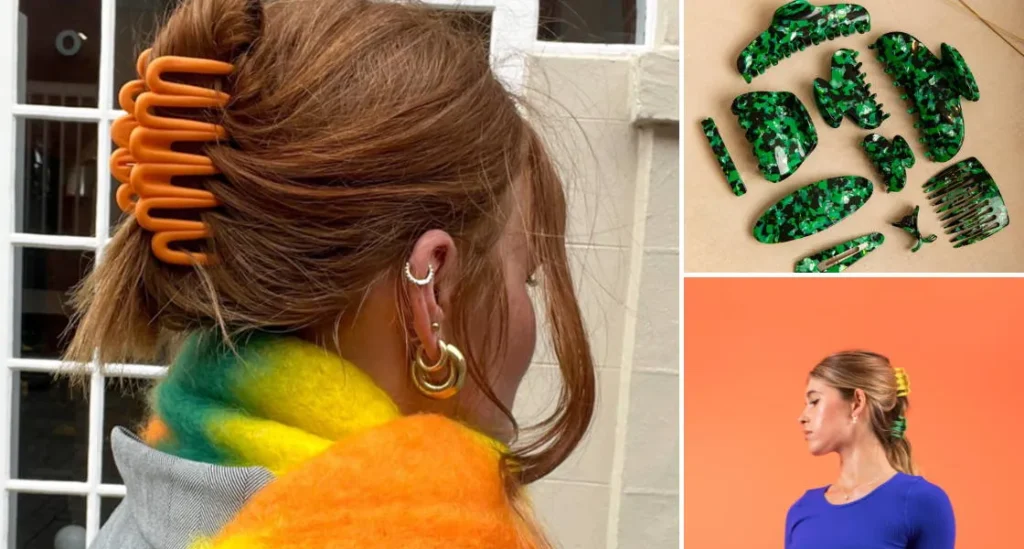
What Claw Clips Don’t Damage Hair? - Top Brands and Clips Known for Hair Protection
Scunci
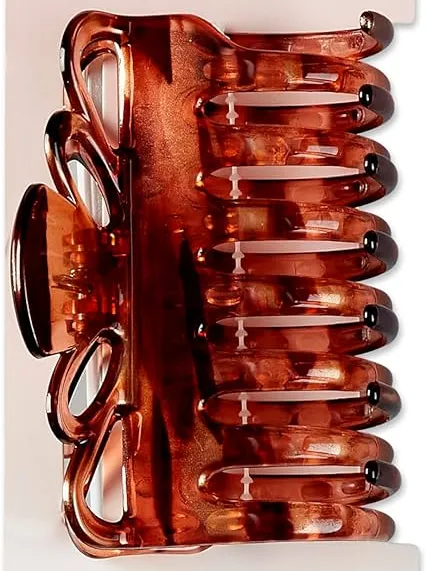
You can trust Scunci clips to be smooth plastic and light spring mechanism. They do not snag or pull your hair. These clips are suitable in daily styles, leaving strands to be there. Depending on the length of hair you can select small, medium, and large size. Scunci clips are light, comfortable and cause less stress to your roots and therefore safe to use on fine or normal hair.
France Luxe
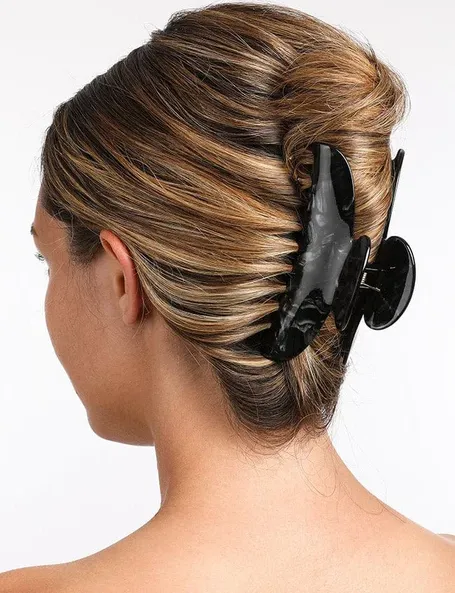
France Luxe can be counted on to deliver resin of premium quality and a luxurious finish that keeps your hair safe. The rounded edges do not break, and the powerful but soft spring keeps thick hair in a comfortable position. They make your hairstyles stylish and less frictional. Most hair types match medium and large sizes providing you with a safe hold. These clips allow you to do hair styling without fear of tension and harm.
Goody
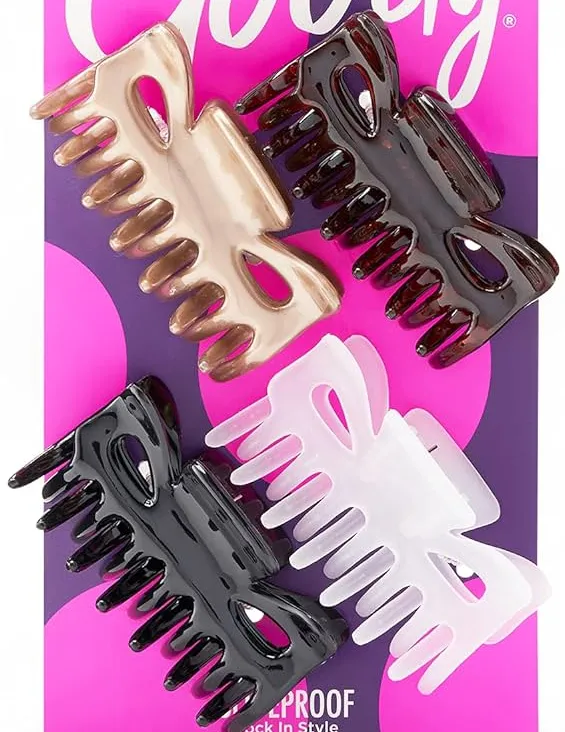
You may choose Goody clips as cheap, strong alternatives which are not harsh on the hair. Snagging is avoided by smooth finishes and flexible springs. They come in several sizes to suit fine, medium and thick hair. Goody clips keep hair healthy and conveniently available on a daily basis. You are able to style without breaking your hair or placing unwarranted stress on your hair.
Mason Pearson
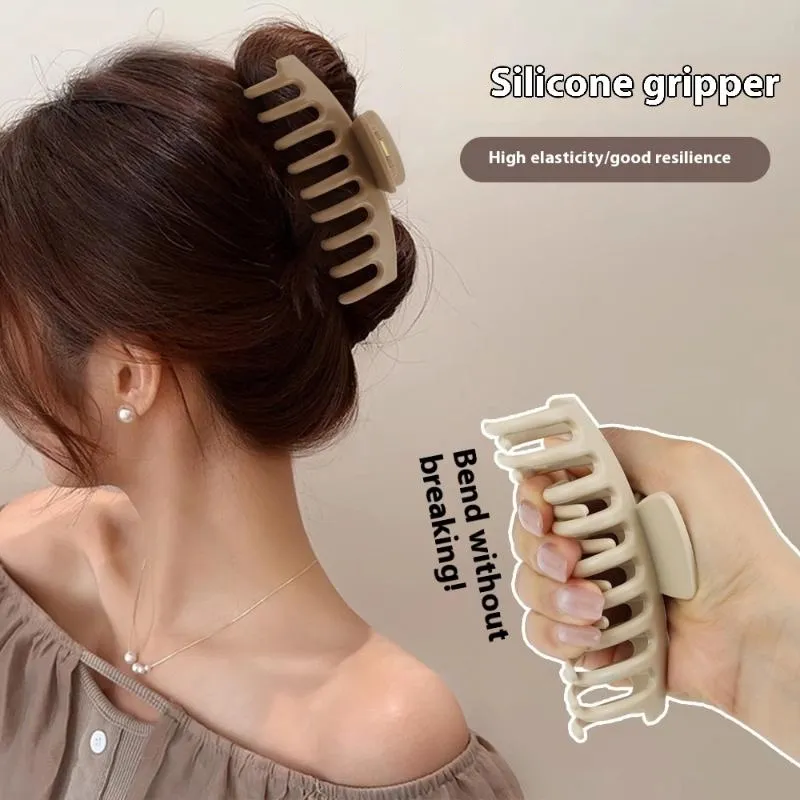
Mason Pearson clips are a good option to use as high quality clips on fine or broken hair. Rough resin and curved claws lessen the friction. The clips contain sections firmly and do not allow split ends. Most hairstyles are comfortable in medium and large sizes. With these premium clips, you will be able to safeguard delicate hair and still sport sleek and classy hairdos.
Kitsch
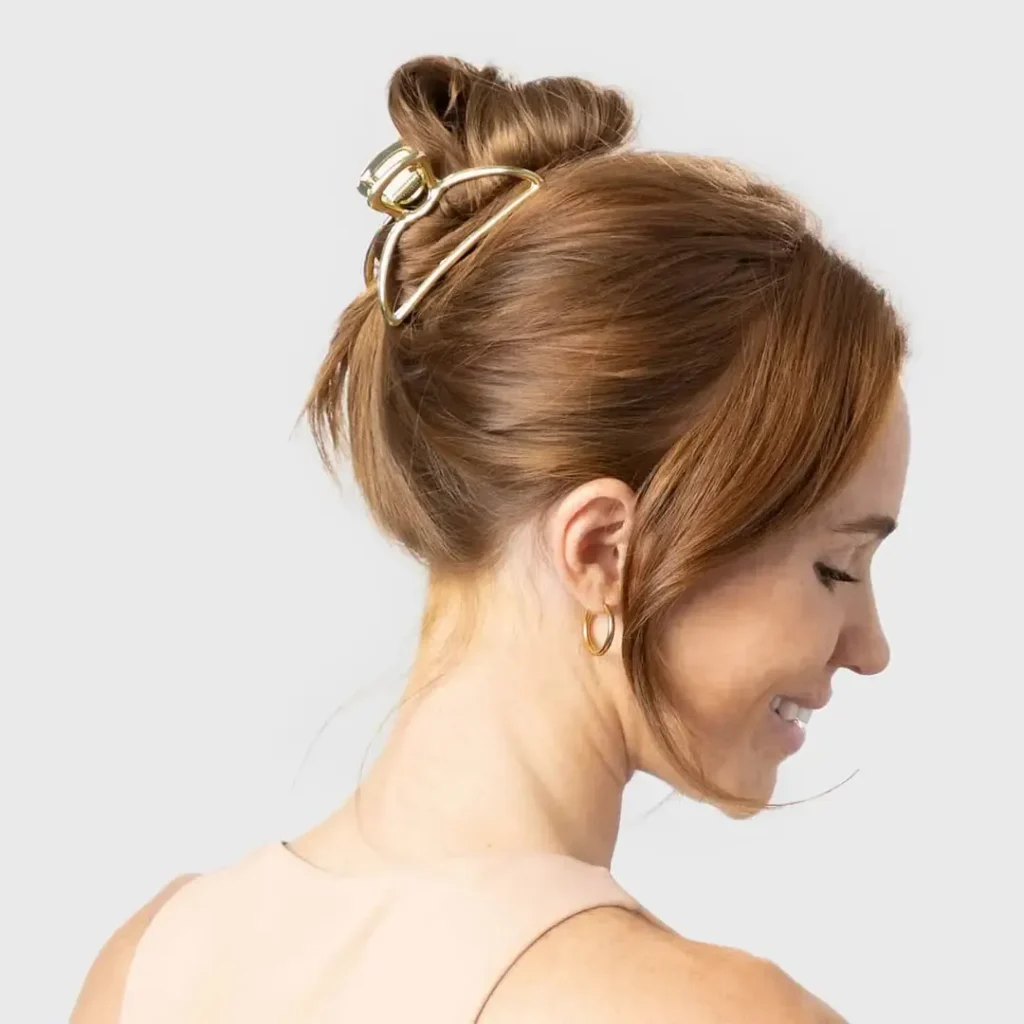
Kitsch has silicone-coated clips that are ideal with curly or textured hair. Large teeth and polished surfaces minimize snagging. They do not pull the curls or separate the strands. Thick hair fits in medium and large sizes. You have the benefits of safe, frizz-free styling without damaging to your natural hair.
| Brush Name | Best For (Keyword Integration) | Hair Type | Key Features | Pros |
|---|---|---|---|---|
| Scunci | Plastic | Small/Medium/Large | Smooth edges, lightweight | $5–$10 |
| France Luxe | Resin | Medium/Large | Luxury finish, rounded edges | $20–$35 |
| Goody | Plastic/Metal | Small/Medium/Large | Affordable, strong spring | $3–$8 |
| Mason Pearson | Resin/Plastic | Medium/Large | Premium design, gentle grip | $25–$40 |
| Kitsch | Silicone/Resin | Medium/Large | Gentle grip for curly hair | $12–$18 |
Key Features of Hair-Friendly Claw Clips
- Material Quality:You need to select smooth and high quality plastic such as acetate or cellulose acetate. Protectively coated resin or light metal is also effective. Do not use brittle plastics which may snap, crack or cut off hair.
- Design and Shape:The rounded edges will not snag, and broader clips will evenly distribute the pressure. Make sure the spring tension is not too tight to pull hair, and not so loose as to pull.
- Size:Choose small clips to use on fine hair, medium clips to use on layered hair, and large clips to use on thick or long hair. The appropriate size minimizes breakage and pain.
- Protective Coating:Find enamel-coated finishes that eliminate friction and snagging. Do not use rough or painted surfaces that can snare hair.
- Spring Mechanism:Durable springs are flexible and do not pull when opening and closing. Stiff springs should be avoided as they cause tension and stress on the hair strands.
What is the #1 cause of hair loss?
Genetics is the number one cause of hair loss. Your family has hair thinning tendencies. There is also the influence of hormonal changes that can influence hair growth cycles. Shedding can be aggravated by stress, unhealthy diet, and some medications. The loss can be reduced by taking care of your scalp, consuming balanced nutrition, and using mild hair tools.
Hair Type and Suitable Claw Clips
Fine Hair
You are supposed to select small clips that have a mild spring tension to avoid breaking of hair. Smooth edges avoid snagging. Lightweight designs minimize root stress. These clips do not pull the hair. Delicate, thin strands are ideal with small clips.
Medium Hair
Choose medium-sized clips that have a rounded edge and equal spring tension. They share pressure equally. These clips allow not to get entangled and reduce damage to the hair. Layered hair or shoulder-length can be styled easily. Medium clips provide a secure grip without too much tension.
Thick Hair
Thick or huge clips that have a lot of springs would suit thick hair. Large claws spread weight equally. They avoid straining of roots and rupture. Jumbo clips are used to hold hair in an updo easily. Powerful clips make it easier to style long or voluminous hair.
Curly Hair
Apply broad toothed clips with soft grips to conserve natural curl patterns. Do not use tight or narrow designs. Rough edges eliminate frizz and snag. These clips enable curls to retain their forms and yet remain safe. Large clips minimize the tugging of delicate strands.
Damaged or Fragile Hair
Select coated or high quality resin clips to reduce breakage. Friction is avoided by smooth finishes. Clips eliminate tension on loose hair. They enable natural styling without straining. Protective clips enable hair to stay healthy and strong.
| Hair Type | Recommended Clip Size | Material | Features | Why It’s Safe |
|---|---|---|---|---|
| Fine Hair | Small | Plastic/Resin | Light tension, smooth edges | Prevents breakage and slippage |
| Medium Hair | Medium | Plastic/Metal | Rounded edges, medium spring tension | Distributes pressure evenly |
| Thick Hair | Large/Jumbo | Resin/Metal | Strong spring, wide claws | Reduces tension on hair strands |
| Curly Hair | Medium/Large | Silicone/Resin | Wide teeth, gentle grip | Minimizes snagging and frizz |
| Damaged Hair | Medium/Large | Resin/Coated | Smooth finish, protective coating | Prevents further breakage |
Signs Your Claw Clip May Be Damaging Hair
- Split Ends Around the Clipped Section:You might also notice little holes appearing at the places where the clip is holding your hair. Such stops frequently occur when the clip is not drawn straight or when it is irregular. The damage is exacerbated with time as the same spot is used over and over. Smooth well-designed clips avoid this problem. These are the first signs to pay attention to in order to ensure that your strands do not break in the long run.
- Over Hair Shedding After Removal:When there is excessive shedding of hair after removing the clip it is possible that it is too tight. The overstrain of strands makes them weak and leads to unwanted shedding. Use soft spring clips at all times. Turn your hair to eliminate stress and keep your hair healthy.
- Snagging or Snag Marks on Strands:The snag is formed by rough edges or bad finishes on the claws, which cause damage to hair. There is resistance when removing the clip. Friction clips are smooth and coated to avoid snag marks. Check clips frequently to prevent strand trauma.
- Hair Thinning at Stress Points:Constant stress on the same area may cause your hair to thin. You may see weaker strands or inequality of density. It is best to use bigger clips or correctly sized clips to evenly disperse the pressure. Switching clips will aid in the prevention of long-term thinning.
- Irritation or Scalp Pain when Worn:Pain means that your clip is pressing too hard. You may have headaches or tenderness of the scalp. Replace with less strenuous, ergonomically shaped clips. Both scalp and hair are kept healthy with comfortable clips.
How to Use Claw Clips Without Damaging Hair
Section Hair Properly
Before using a claw clip, you should part your hair into small parts. This decreases strain on strands. It avoids breaking and keeps the clip in place so that your hair is held evenly. Parting is also easier to style faster and easier. You will find pulling and snagging will reduce when the hair is arranged. Begin at the bottom and cut each part individually. This is a healthy way of keeping hair, and it also adds a sleek appearance.
Open and Close Clips Gently
Always be careful with your claw clip. Hair can be pulled violently by opening it forcefully or snapping it. Delicate care maintains the health of the hair and eliminates split ends. Open, position, and close the clip slowly and without pulling. This will guarantee a firm grip without breaking.
Select Smooth or Coated Clips
Choose clips that have smooth surfaces or other protective finishes. Even finishes minimize snags and hair friction. They move without snaring hair. Coated clips are used to prevent the tearing of fragile or fine hair. Good materials enhance comfort and durability.
Additional Tips for Hair-Friendly Styling
- Alternate Clip Styles:ou need to alternate between the various sizes and shapes of claws clip to prevent pressure points. Switching clips eliminates the effects of straining the same part of hair, thus minimizing the breakage in the long run. Different designs are also beneficial in evenly spreading tension, which makes hair strong and healthy.
- Frequent Hair Conditioning:You have to condition your hair regularly to keep it soft and flexible. Healthy hair does not break easily and does not split when cut. Target ends and middle ground to achieve balanced moisture. Conditioning maintains the smooth strands and makes the strands easier and safer to style.
- Avoid Tight Hairstyles:You must not clip hair too tight, this puts strain on the roots and results in hair thinning. Casual fashions alleviate tension and headache pain. Light styling preserves your hair and your head.
- Use Detangling Spray:It is always necessary to apply a detangling spray before making a clip to avoid snagging. Unbraided hair slips into the clip with ease. This minimizes pulling, breakage and frizz and enhances the efficiency of the styling.
- Keep Clips Clean:You have to clean and check clips to be smooth. Hair can get caught and be ruined by dirt or rough edges. Properly kept clips slide easily and keep your hair safe.
Common Mistakes to Avoid When Using Claw Clips
Do Not Clip the Same Area over and over
Move the clip every time you blow dry your hair. The strands are weakened by repeated pressure with time. Transference of the clip will avoid permanent dents or hair strains. It also maintains the hair in a natural voluminous look. Alternating the clips will evenly distribute the tension over your head. The method minimizes the risk of breakage and preserves hairstyles.
Take Clips off Before Bed or Long Wear
Do not leave clips overnight or long. Prolonged pressure may be stressful to hair and scalp. Early removal of clips helps to eliminate breakages and preserve hair form. This practice maintains healthy, shiny and strong strands. Always free hair before bed.
Wearing clips that are too small in your hair
Little clips cannot hold your hair without tension. You add to strain when the clip pushes hair into tight crevices. You minimize the risk of breakage by selecting a density-matched clip.
Selecting low-cost, fragile materials
Poor quality clips tend to crack and snag your strands when they are used. You put hair into coarse edges which scratch the cuticle. You lessen harm by choosing smooth materials to be used.
Overstraining hair
Tight clipping exerts continuous stress to your roots and lengths. You take the chance of breaking when the clip puts strands to a strain that exceeds their elasticity. You also possess healthier hair since you select tension that does not pull.
Conclusion
What not to wear on your hair is something you choose to prevent damaging your hair on a daily basis. You maintain a healthier hair when you use the appropriate claw clip material, size, and design on your hair type. When you apply light tension and switch positions of clips, you decrease breakage. High-quality, smooth, well-cut clips also help maintain the strength of hair in the long-term. When you do not use tight grips and brittle materials, you can enjoy effortless styles. The intelligent decisions will result in healthier and safer hair styling.
FAQs
Are claw clips less damaging for hair?
Yes, claw clips are not so harmful when you select smooth and high-quality designs. You escape the hard tension since the clip diffuses the pressure over a broader radius. Use a clip with rounded edges. Breakage is also reduced by avoiding tight gripping.
What snap clips don’t damage hair?
The snap clips you can use should be of resin, cellulose acetate or coated metal. These are materials that slide through hair. They do not get hooked on strands. Pick clips with rounded tips. You take care of your hair, too, when you do not use excessively tight metallic fasteners.
Is it healthy to put your hair in a claw clip?
Yes, it can be healthy, with the correct clip. Select a clip having smooth claws. Do not overstrain your roots. Keep your hair moisturized. You also minimize stress when you change the clip positions every day.
Which claw clips are best for thin hair?
Small or light medium clips should be used. Select clips that have soft springs. Sharp edges are avoided to avoid snapping. Cellulose acetate and resin are effective. Fine strands are also safeguarded when you do not use too strong grip strength.
What is the healthiest way to tie up your hair?
Loose and low-tension forms should be used. Wide claw clips and soft scrunchies are effective. Avoid pulling tightly. Keep your hair moisturized. You also minimize breakage by swapping of hairstyles and not tying wet hair.