
Being a hairdresser, selecting the proper comb for various hair types is absolutely necessary. Failing to follow these guidelines can result in damage to the product, unequal results and unhappy clients. The type of comb you use can make your work more difficult and less controlled. You will learn in this guide how to find the right comb for different hair types, textures and styling purposes. You’ll learn the main features to look for, allowing you to finish each appointment with greater speed, safety and accuracy. Let’s get started!
Why Every Hairdresser Needs the Right Comb?
A hairdresser needs to have the right comb to help shape, divide, detangle and style the hair with accuracy. It’s not only a tool—it’s the very basis of every haircut or color appointment. You can control how much tension, direction and parting you have using the right comb. If you don’t use a comb, your hair might not be cut or styled evenly. Picking the appropriate comb will allow you to produce polished results that match what your client wants every single time.
Functional Uses of Combs in the Salon
- Combs are used during a haircut to help you divide, direct and shape your client’s hair with precision.
- When styling your hair, you depend on combs for blow-drying, curling and making neat up-dos.
- Combs are required to help you place color where you want it and foil it properly.
- If you use keratin or protein masks, combs help you apply the product more evenly.
- Wide-tooth combs are used to gently sort out your hair without causing harm.
Key Factors to Consider When Choosing a Hairdressing Comb
Tooth Width and Spacing
- For thick, curly or wet hair, use a wide-tooth comb. They prevent makeup from breaking and go on smoothly, not pulling the skin.
- If your hair is straight or super fine, a fine-tooth comb is for you. They are useful for smoothing, arranging smaller sections and precise work.
- You can quickly alternate between fine and coarse combing with a dual-sided comb.
Material of the Comb
- Though plastic is cheap, it is likely to produce static and break if handled roughly.
- Rubber (vulcanite) is a preferred material used by professionals. It can handle heat, is not attracted to static and is simple to clean.
- Wood has a gentle effect on the environment. When your client’s scalp is sensitive, you’ll notice how comforting the comb feels.
- Carbon fiber is effective for hot styling. It is made to last, is light and works well for blow-drying.
- There are very few metal combs on the market. Avoid using them to brush your scalp, because they might cause damage.
Design and Ergonomics
- Pick combs that provide good grip and are made with textured handles.
- If you need to brush long hair, a longer comb is better, while a stiffer one is perfect for precise work.
- Choose combs that are simple to sanitize and do not get damaged by frequent cleaning.
Compatibility with Hair Type and Style Intent
- Select the comb according to the client’s hair—curly, coarse, fine or treated with chemicals.
- Check the style you’re looking for and pick a comb that matches—maybe updos, fades, trims or blowouts.
- For thick or textured hair, ensure you use clips and combs that won’t harm your hair.
Matching Comb Type to Hair Services
Haircutting
Precision can be achieved with cutting, barber or dual-sided combs. With both wide and small teeth, these combs can be used on different styles of hair. The larger end flattens curves and the smaller end is used for shaping small areas. This allows you to cut and divide your hair properly.
Styling and Blow-Drying
When styling, make sure you use shaping combs that are made to withstand heat. They work well even when your hair is hot and smoothed out. Pintail combs allow you to divide your hair neatly and direct your blow-drying with ease. They help remove frizz and improve how your hair looks.
Coloring and Chemical Treatments
For coloring, use pintail combs to keep the hair organized and to help you place foils. Go for carbon combs over porous ones since they can resist chemicals. It helps keep your client’s hair healthy and your tools in good condition during treatments.
Beard Grooming
Use combs that have tight teeth when taking care of your beard. Combs made from rubber or wood help prevent static and are softer on your skin. They create a smooth surface for your beard and ensure the oils reach every area.
Types of Hairdressing Combs and Their Applications
Picking a suitable comb eases your work and helps you create better hairstyles. The way you comb and your client’s hair should guide your choice of comb. Let’s look at how each kind of comb helps you achieve perfect results.
Fine-Tooth Combs
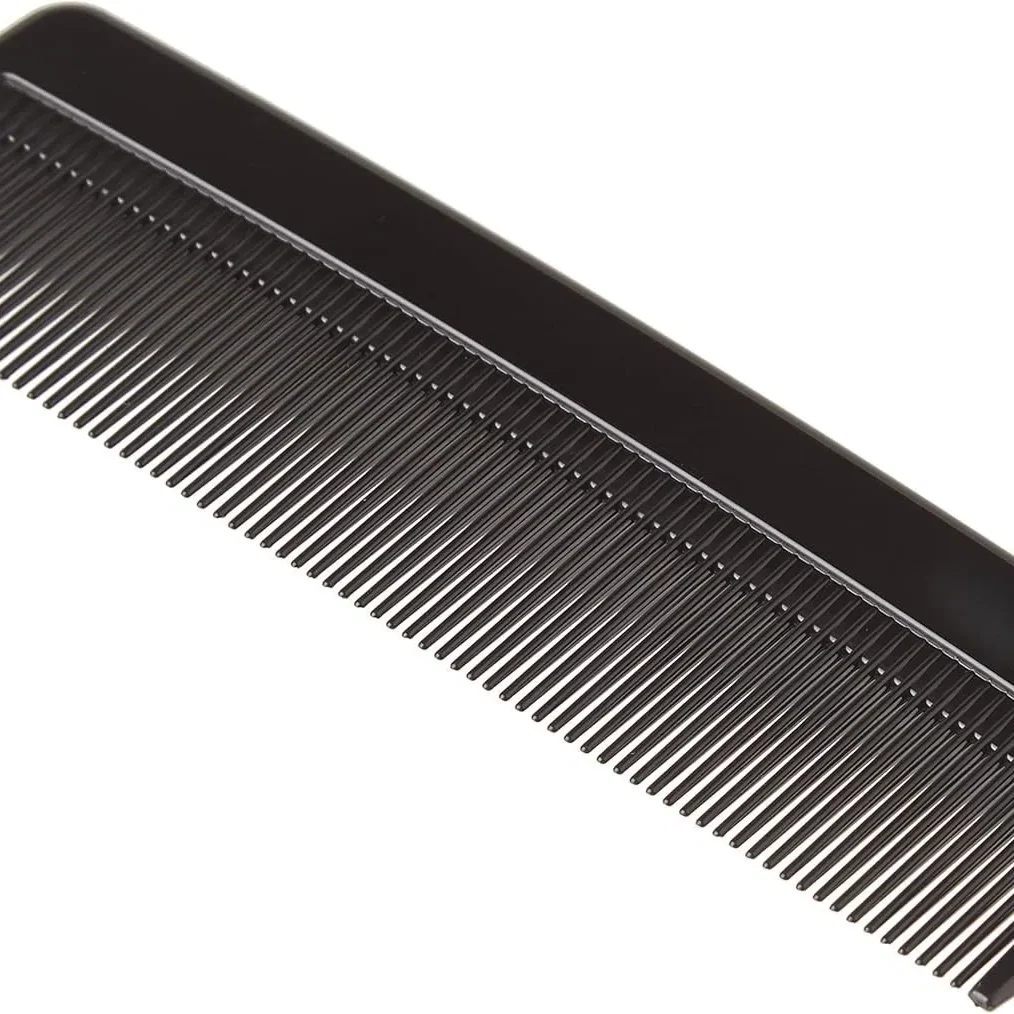
With closely spaced teeth, a fine-tooth comb can move easily through thin, straight hair. The design ensures you have more precise control, allowing you to refine and shape your hairstyle. If you want to achieve sleek, polished hairstyles or add small improvements, use fine-tooth combs. They are ideal for people with fine to medium hair to distribute products evenly and get neatly parted hair.
Wide-Tooth Combs
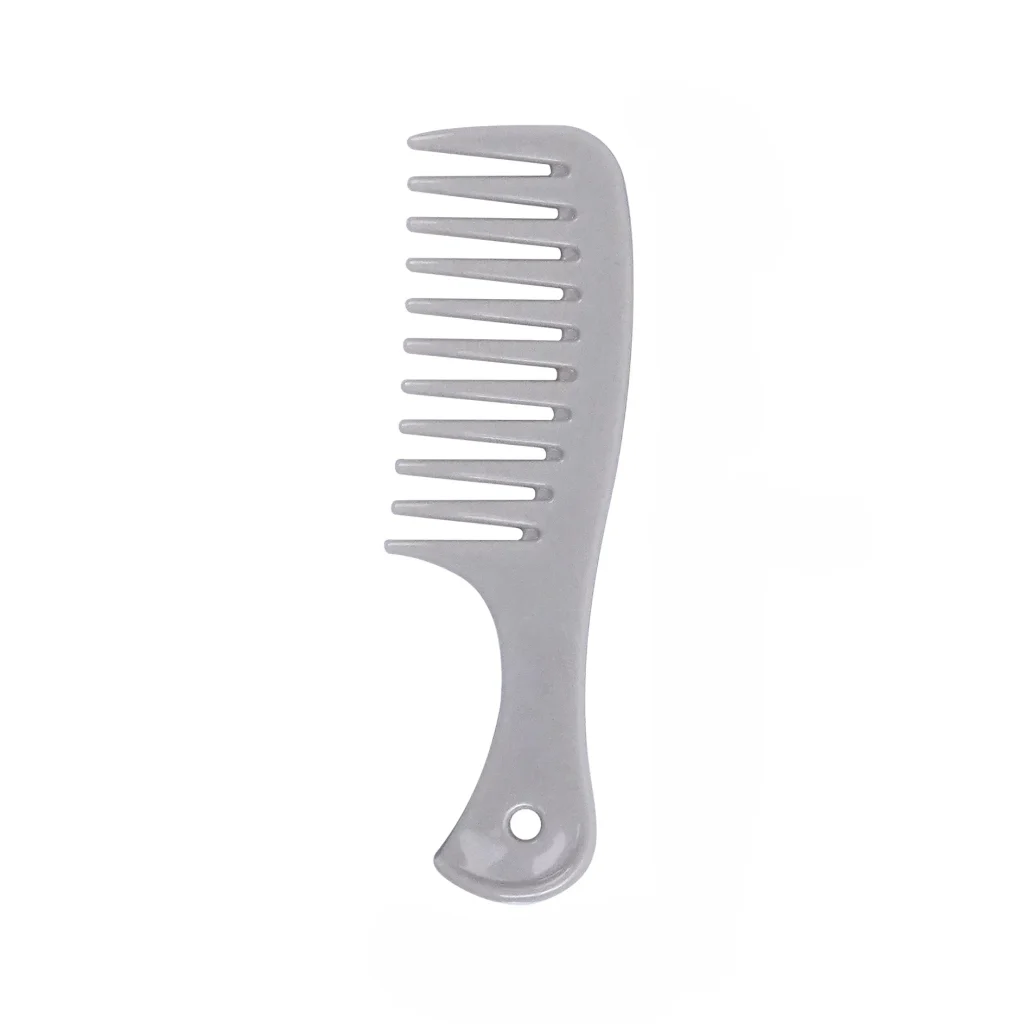
In wide-tooth combs the teeth lies at notable spacing. Wide-tooth combs are meant to detangle tough or tangled hair without putting it at risk of breakage or causing pain. When you run a wide-tooth comb through the hair, you work out the knots without pulling too hard which helps keep the scalp safe and hair undamaged. Such combs are suitable for styling wet hair, spreading conditioner or carefully and smoothly removing tangles before you get a haircut.
Cutting Combs (Barber/Stylist Combs)

Such a comb comes with two sets of teeth — one narrow and one widely spaced — making this tool versatile. You can cut more hair per pass since the thicker-spaced teeth gather more hair. Movement from cutting and blending to combing is smooth and easy. Using scissors or clippers to craft fades, tapers or layers is much easier with a barber comb in hand. Their even weight and shape allow you to guide the haircut as needed.
Shaping Combs

The materials used in shaping combs are designed to be flexible and heat-resistant which makes them safe for blow-drying. They help you arrange your hair easily to add body, form neat lines or create waves in your style. To add structure or control the pose of your hair with proper tension on medium to thick locks, these combs are the solution due to their perfect blend of firmness and flexibility.
Pintail (Tail) Combs
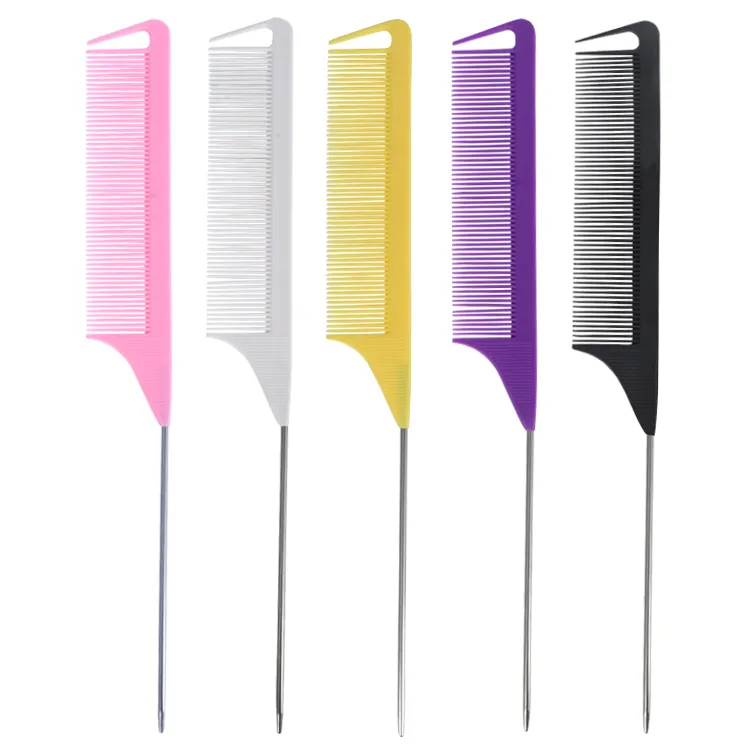
The long, pointed handle on the pintail comb helps you easily part your hair evenly. Comb teeth make it easy to create neat sections for foiling, balayage or any updo style that requires detail. The pintail comb isn’t perfect for detangling, but it’s very useful when you need to separate sections accurately and quickly.
Teasing Combs
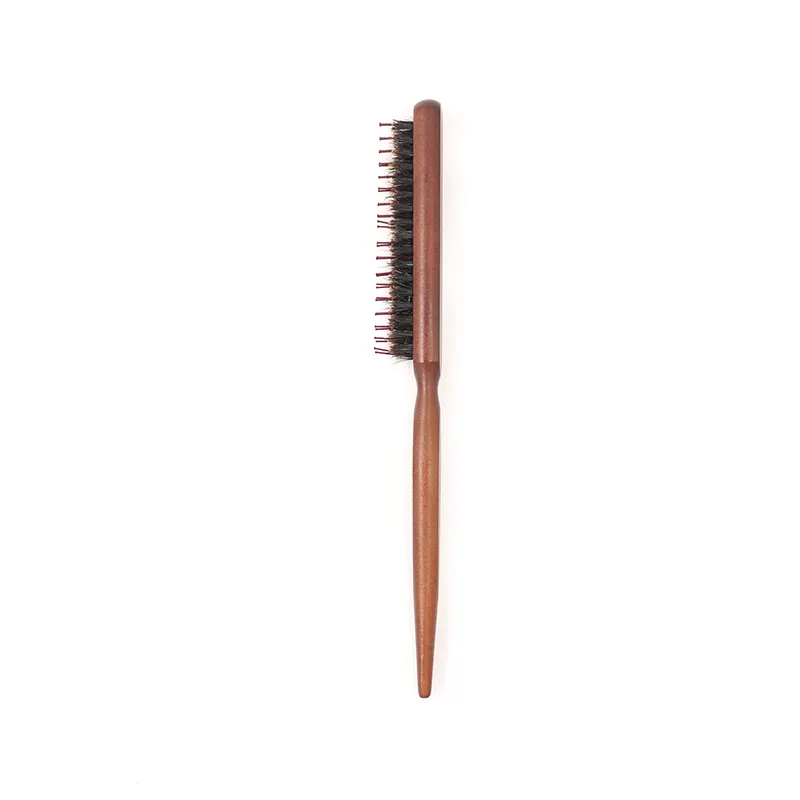
Teasing combs have teeth of different sizes that combine to grab your hair tightly as you tease or give it volume. You will use them when you want to add height at the roots or give hair interesting texture for retro or voluminous hairstyles. With these combs, you can prepare for updos easily and get long-lasting volume in fine to medium hair without causing extra harm.
Rake Combs

Rake combs have broad, curved teeth that are meant to work well on thick, curly or naturally textured hair types. With their shape, you can pass through tough tangles without putting too much strain on your scalp, so applying masks or conditioners is not a problem. If your hair is coarse or textured, rake combs can smooth your hair without pulling it tightly which is better for your scalp and hair health.
Types of Hairdressing Combs and Their Applications
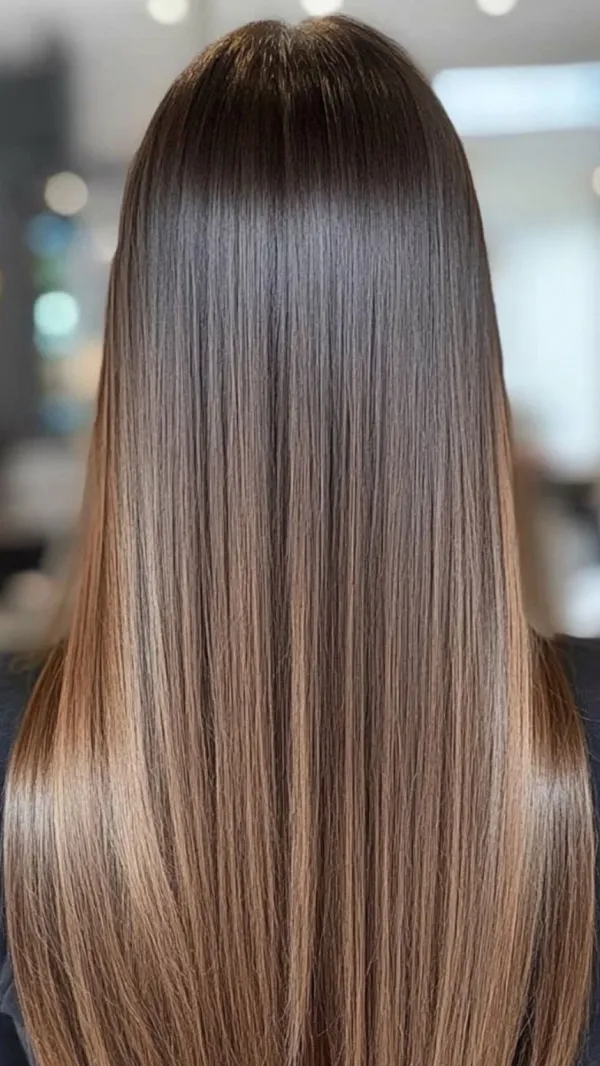
Straight and Fine Hair
A fine-tooth comb helps bring out a neat look for those with straight, thin hair. Use fine-tooth combs most of the time, except when you’re detangling after shampooing. Teeth that are spaced well apart allow you to manage your hair and tame frizzy bits.
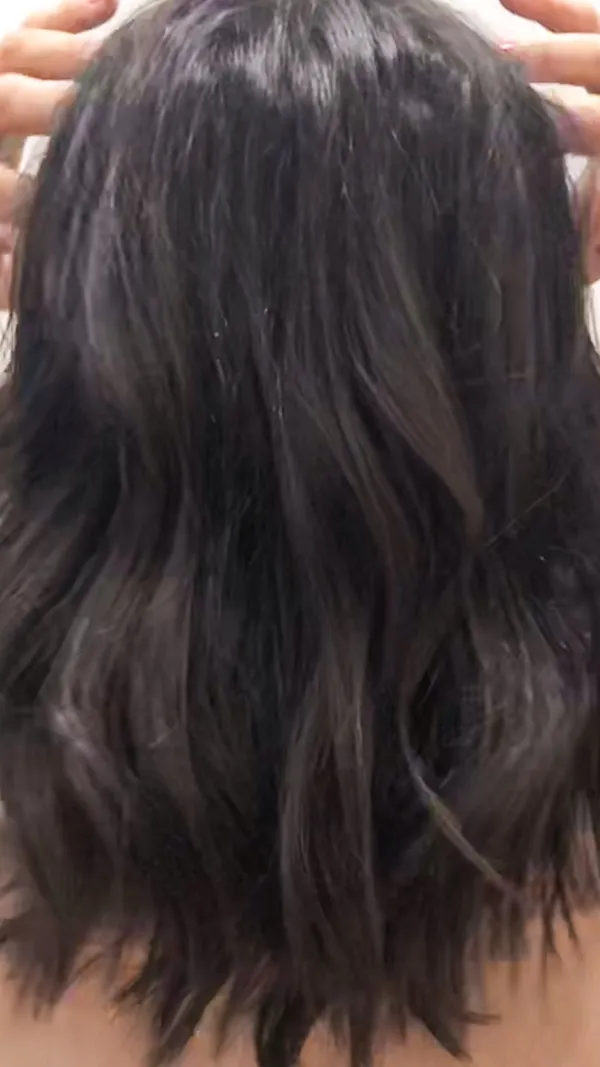
Thick and Coarse Hair
If your hair is thick or coarse, it’s best to use wide-tooth or rake combs. They let you move through your hair without pulling or snagging it. Pick carbon or rubber combs as they cause less static and help prevent your hair from breaking. They are able to move large amounts safely.
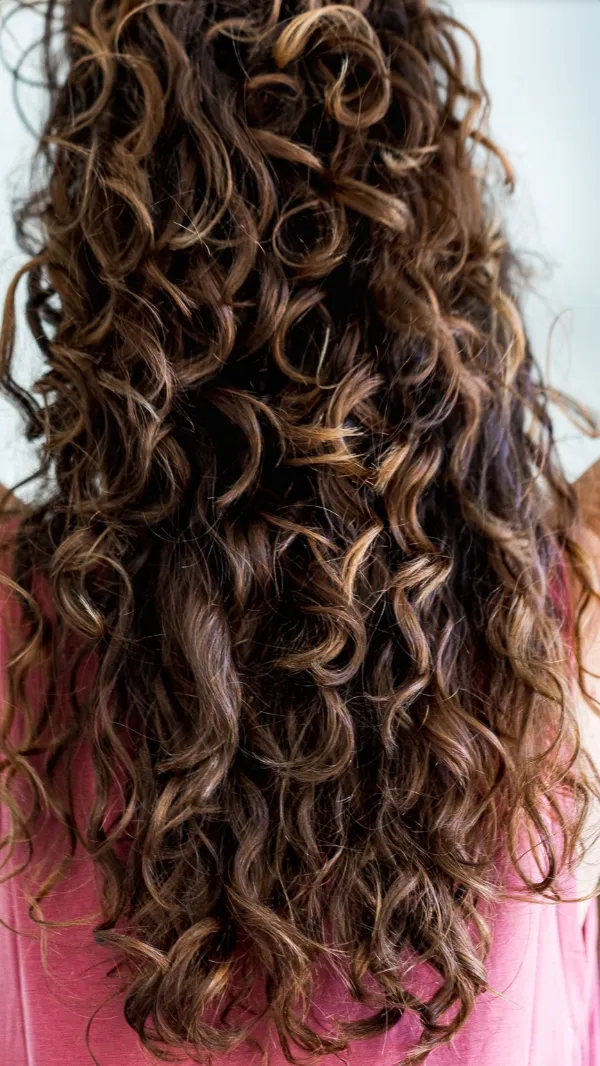
Curly and Coily Hair
For people with curly or coily hair, you should use a rake, wooden or wide-tooth comb. You can use these to comb your hair without affecting your natural curls. Always brush your hair after it’s been washed and is still damp to help prevent damage.
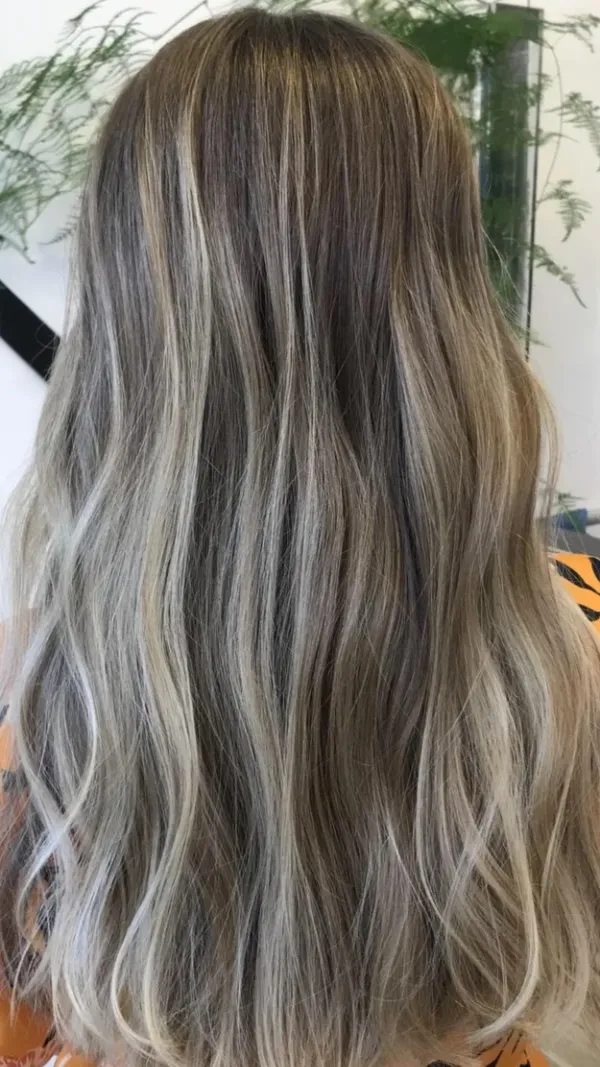
Damaged or Treated Hair
Choose combs that are made from soft material such as wood or rubber. Select designs that have wide teeth and are anti-static. They help you keep your hair safe and give it the care it deserves.
Benefits of Using the Right Comb
- Improved precision and technique in cutting/styling
- Better detangling with less breakage and pain for the client
- Improved scalp stimulation and blood circulation
- Reduces static and flyaways (especially with anti-static combs)
- Promotes overall healthier hair and client satisfaction
Common Mistakes Hairdressers Make When Choosing Combs
Using One Comb for All Tasks
You can’t rely on a single comb for every job. Each styling task—cutting, detangling, sectioning—needs a specific comb. Using the wrong one affects precision and risks hair damage. Always match your comb to the purpose.
Ignoring Client Hair Texture and Type
Your client’s hair type matters. Thick, curly hair needs a wide-tooth comb. Fine or straight hair may need finer teeth. Ignoring this leads to breakage or poor styling results. Choose based on texture, not habit.
Choosing Based on Price Rather Than Material
You may want to save money, but cheap plastic combs can cause static and damage hair. Instead, invest in rubber or wood combs that protect strands. Quality tools make a visible difference in your work.
Ignoring Client Hair Texture and Type
Dirty combs spread bacteria and product buildup. You must sanitize them after every client. It protects both your clients and your reputation. Clean tools show professionalism.
Neglecting Ergonomic Comfort for Extended Use
If your comb feels awkward, you’ll tire quickly or develop hand strain. Look for combs with grip and balance. Comfortable tools help you work longer and more effectively.
Why JunYi Beauty Is a Trusted Name in Hair Comb Manufacturing
Dongguan JunYi Beauty Technology Co., Ltd. is recognized as a leading company in hair comb manufacturing. If you pick JunYi Beauty, you can enjoy innovative designs that fit your hair type perfectly. They pick only eco-friendly and durable materials to reduce hair comb impact on the hair and planet. If you are looking for custom colors, logos or unique materials, JunYi Beauty is ready to help. Their products are provided to top salons everywhere, thanks to a team that emphasizes research, precision and caring for the environment.
Conclusion
Your comb isn’t just a tool—it’s a direct extension of your skill, precision, and personality. The right comb helps you deliver clean lines, flawless sections, and polished finishes. It speaks volumes about your professionalism. Investing in high-quality combs ensures consistent results and long-term client satisfaction. Don’t settle for what’s cheap or convenient—choose tools that support your craft and last through every cut and style. In the end, your comb becomes more than an accessory. It’s your partner in every transformation, helping you shape confidence, creativity, and lasting impressions with every stroke.