It is important to know who should apply a boar bristle brush to get healthy, shiny and easy to handle hair. Applying an incorrect brush may result in breakage, frizz or irritation of the scalp, an aspect that is important in all types of hair. This all-purpose guide covers the types of hair that best respond to a boar bristle brush, and how it works on the scalp and hair, as well as tips on care, and choice. Through reading this, you will come to know how to select and use a boar bristle brush successfully.
What Exactly Is a Boar Bristle Brush?
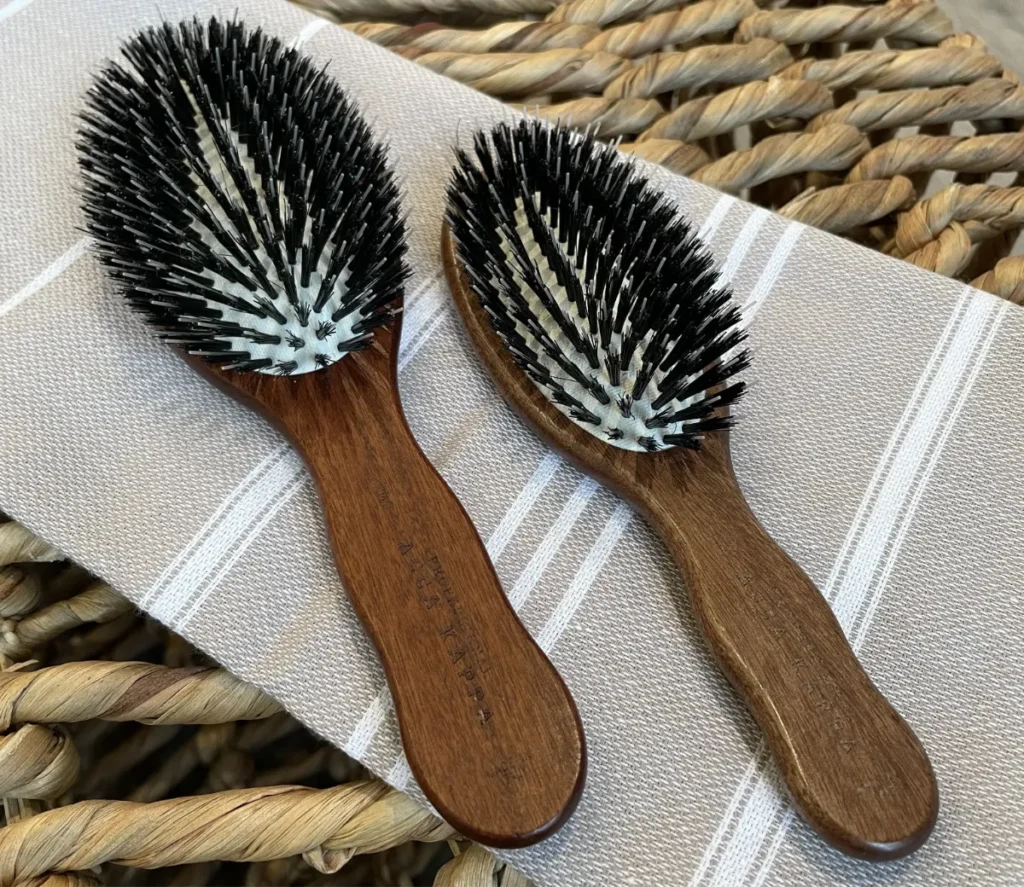
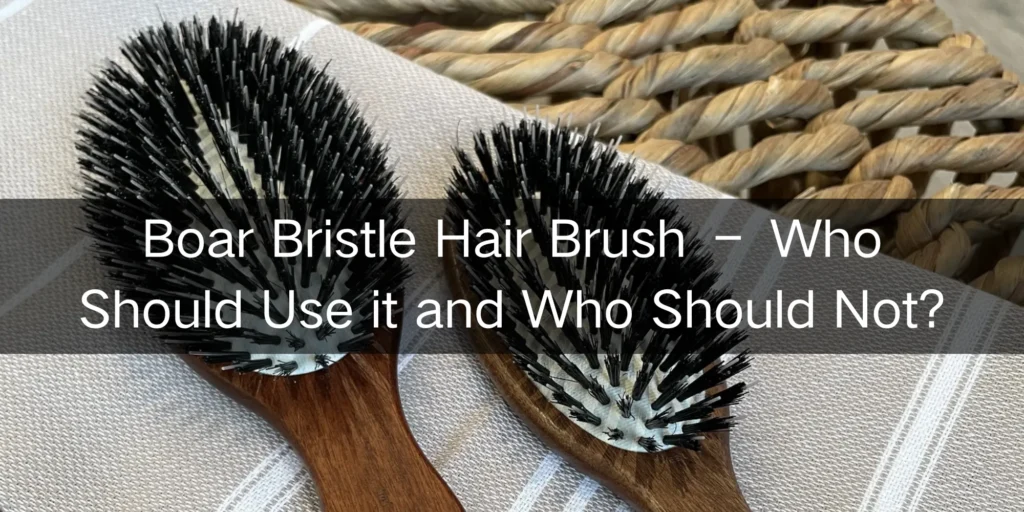
A boar bristle brush is a hairbrush that is composed of natural bristles of boar hair. High-quality brushes have graded bristle stiffness, cushioned base, and hard-wearing handles, usually of wood or resin. The real boar bristles are imitations of human hair cuticles, which spread the oils uniformly on the scalp to the ends. They are softer than nylon, plastic, or vegan, reduce the effects of statics, smooth the hair softly, and give it natural shininess without breaking it.
How Boar Bristle Brushes Actually Work on Hair & Scalp
The action of boar bristle brushes is to spread sebum over the scalp evenly to the ends of hair. They soften the scalp, shedding off dead skins and accumulation. The natural bristles flatten cuticles and eliminate the statical effect making hair shiny and smooth. Micro-circulation is also induced by brushing and scales up scalp health, which has been verified by a 2023 Korean and a 2024 German study. Also, when compared to detangling, wet, or denim brushes, boar bristles focus more on shine, oil balance, and gentle stimulation rather than heavy detangling.
Types of Boar Bristles
Natural Boar Bristles
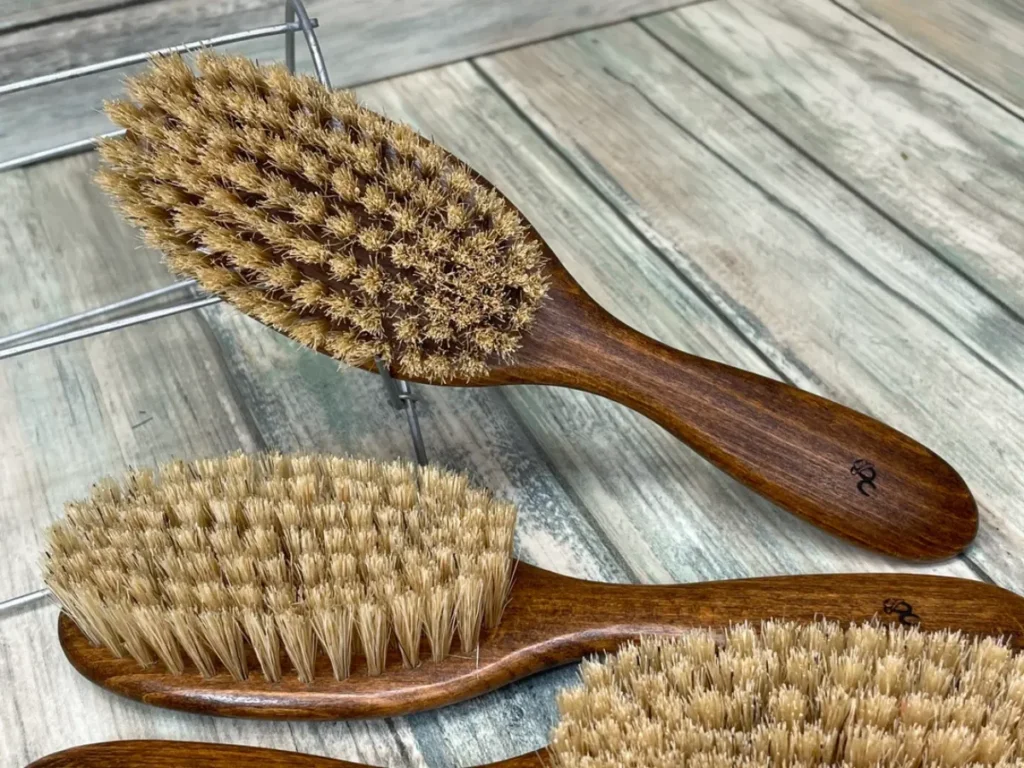
These bristles are made of all-natural boar hair and they resemble the form of human hair. They spread sebum all over, giving it a natural shine and smoothness. Light on thin, fine, or straight hair, they rub the strands without pulling or tugging. They alleviate frizz and increase the softness and shine of the hair. They are ideal in everyday grooming, their cuticles are healthy and they enhance the texture of the hair in a natural manner.
Mixed Bristles
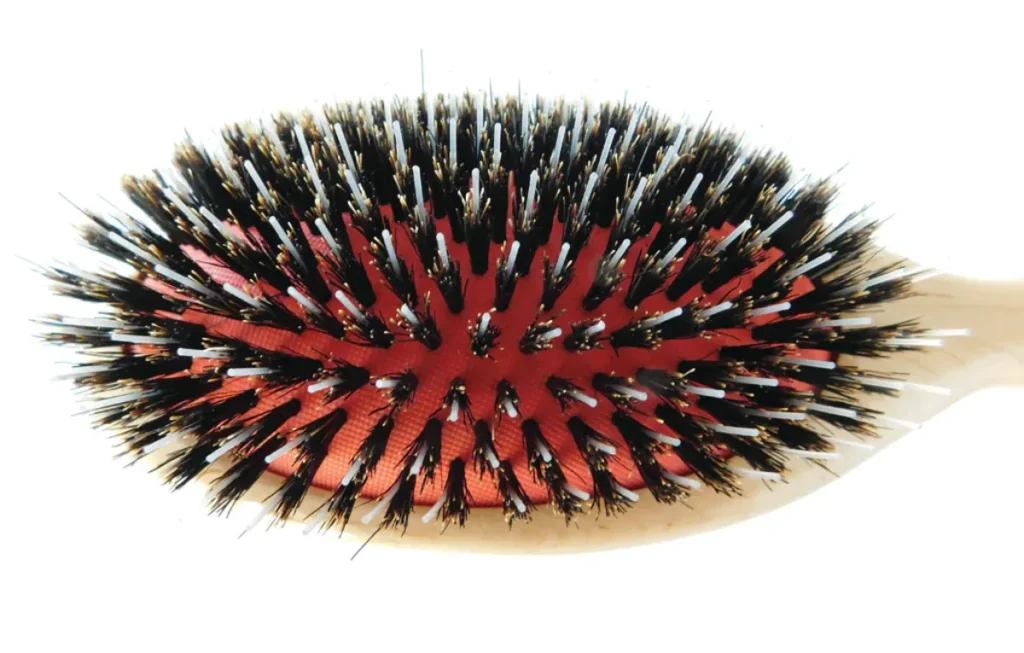
These brushes are made of natural boar bristles mixed with nylon pins, which give a balance between smoothness and detangling. Nylon divides parts and boar bristles polish and shine. They are effective in raising hair and are ideal in medium-thick or slightly coarse hair. The mixed design has more grip compared to pure boar brushes.
Nylon–Boar Blends
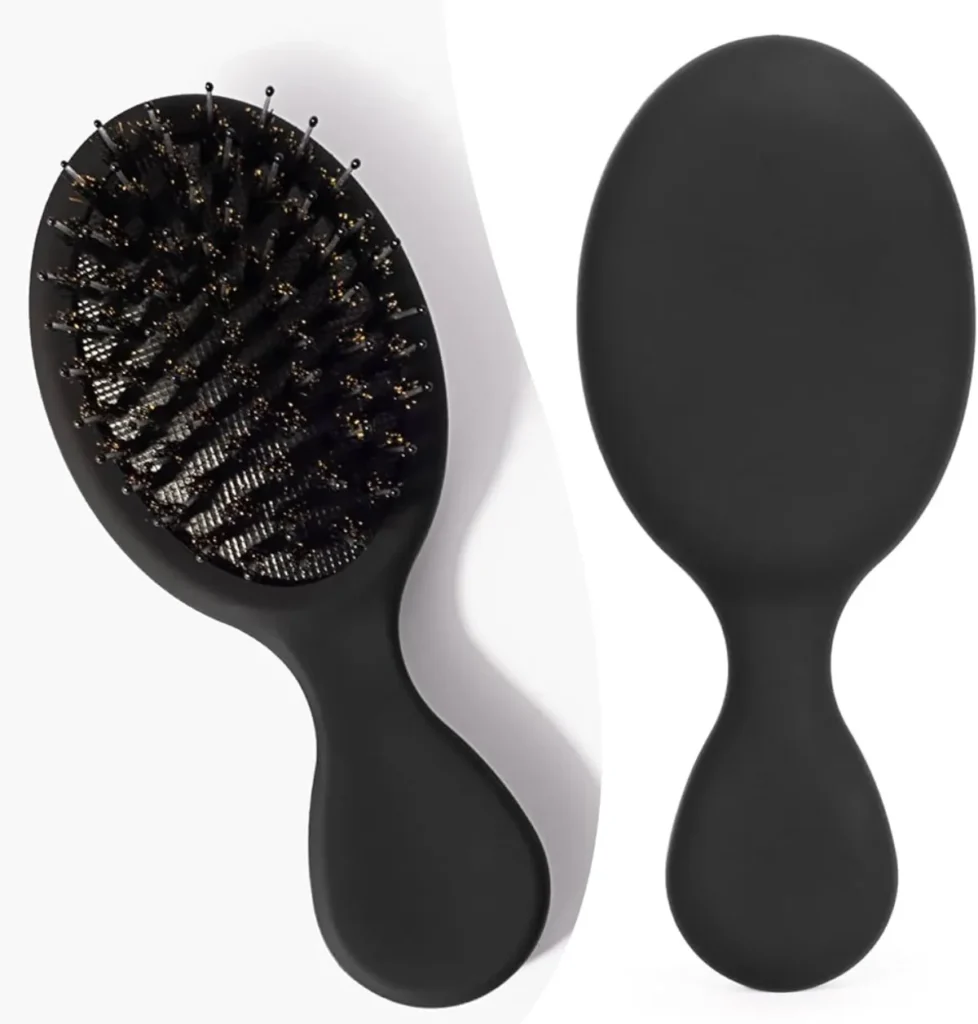
These brushes are mainly nylon with boar clusters and are able to penetrate thick hair. They massage the head and dispense moderate oils. They are appropriate to use on thick or coarse hair and make it less static and smooth. They provide gentle detangling and brushing.
Soft Bristles
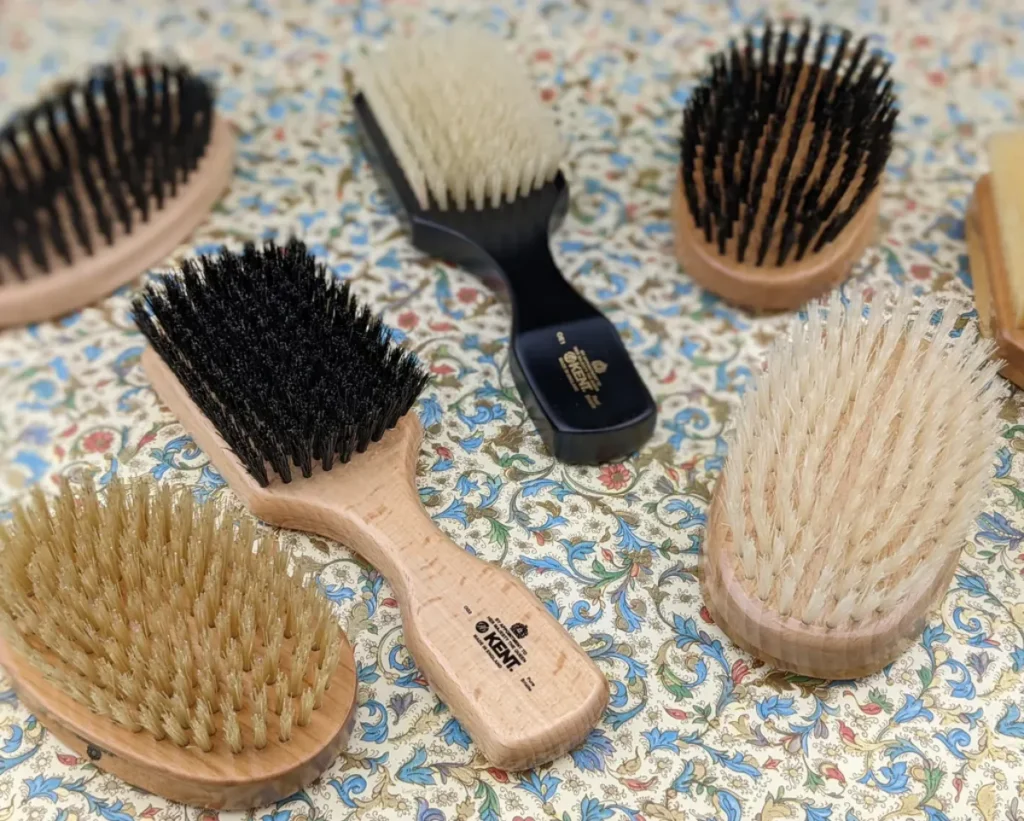
There are soft and flexible boar bristles that are designed to be used on delicate and aging hair. They do not pull hard on delicate strands. They are good on thin or split hair and reduce tension and breakage. Grooming is comfortable and safe on a daily basis.
Firm Bristles
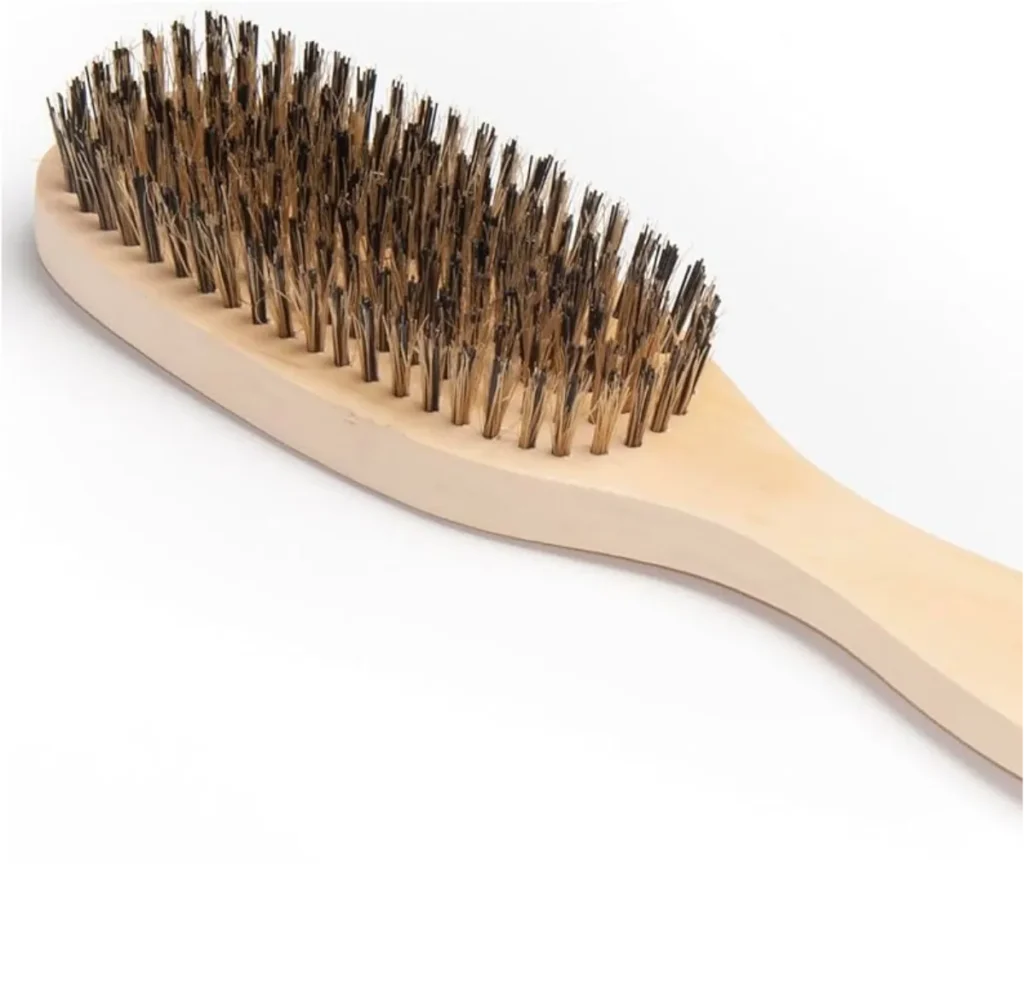
Hard boar bristles are harder in nature and offer better grip and control in style. They are good at smoothing medium density hair. They brush deeper than soft bristles and are perfect on buns or sleek ponytails. Natural hair shine is increased without compromising health.
Who Should Use a Boar Bristle Brush?
Boar bristle brushes provide natural shine, better health of the scalp, and better control of the hair. The selection of the proper hair type guarantees the greatest benefits. The brushes are compatible with the thickness, porosity, oil content, and texture of hair.
Straight Hair 1A–1C
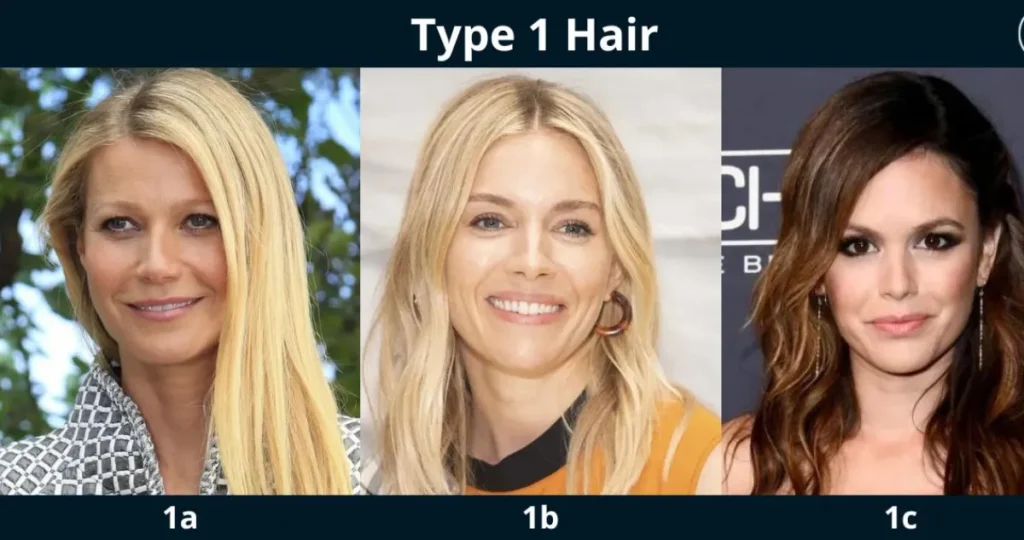
Straight hair enables the brush to run smoothly through the root to the tip. The bristles spread natural oils evenly creating a mirror-like shine. It eliminates the greasy accumulation that comes with daily usage and saves the use of serums. Boar bristles are soft, and thus, firstly, detangle hair to avoid pulling. Hair stays sleek and well-polished with no additional style sprays.
Wavy Hair 2A–2C
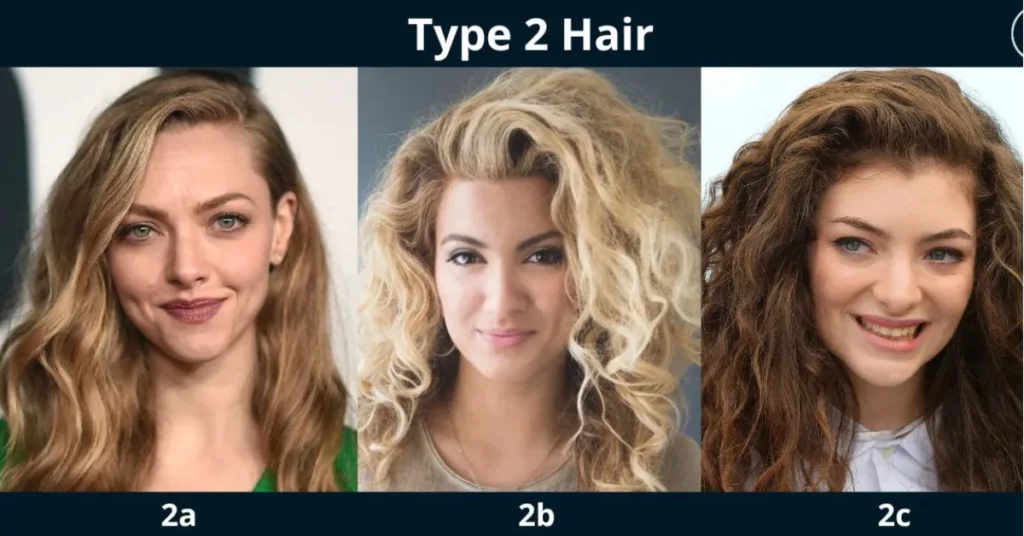
Loose waves take boar bristles. The brush flattens the cuticle and eliminates halo frizz. It preserves the natural wave patterns and evenly spreads oils. Hair becomes bouncy, shiny and defined. It is also necessary to have detangled hair that allows the brush to work effectively without pulling.
Wavy/Coarse Hair 2C–3A
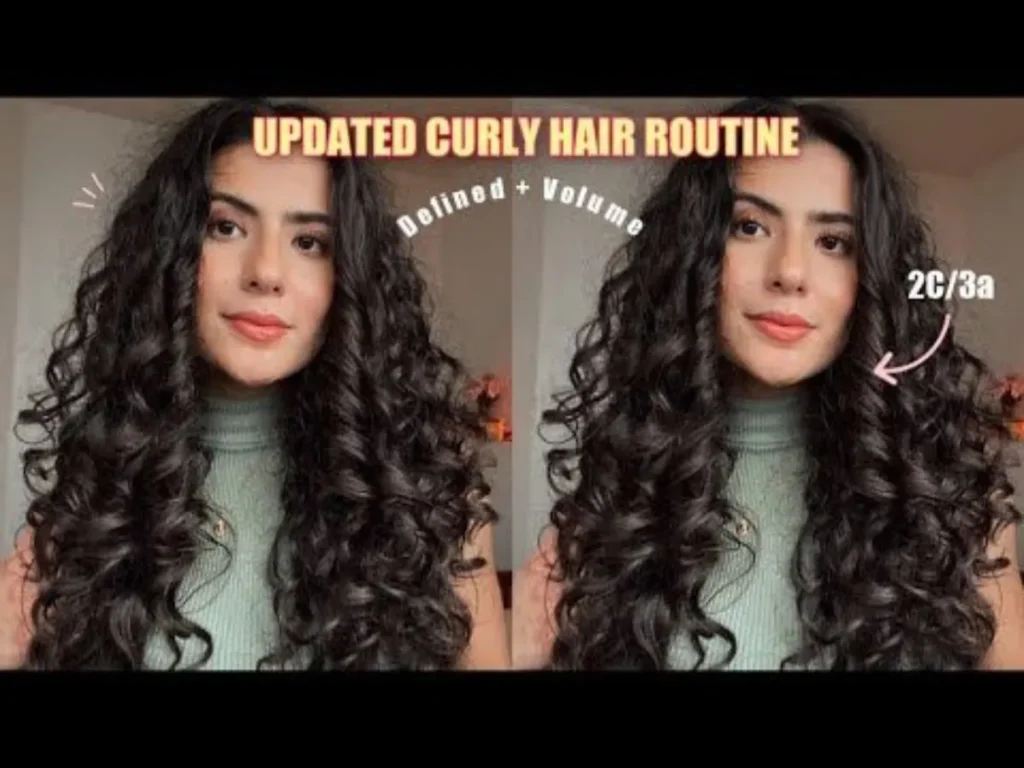
Boar bristles are shiny and softly detangle medium-thick hair. The brush is used to even the hair on top and fix frizz. Mixed boar and nylon bristles are able to access deeper areas. Scalp oils are better absorbed by hair. Even the pure boar bristles can be too gentle on their own.
Loose Curls 3A–3B

Loose curls are good when it is strategic to brush them. Boar bristles push oils down to the ends, making it less dry. The brush outlines the curls and flattens elevated cuticles. Part hair to avoid it tangling. Apply on dry hair and leave it before washing or styling.
Tight Curls & Coils 3C–4A
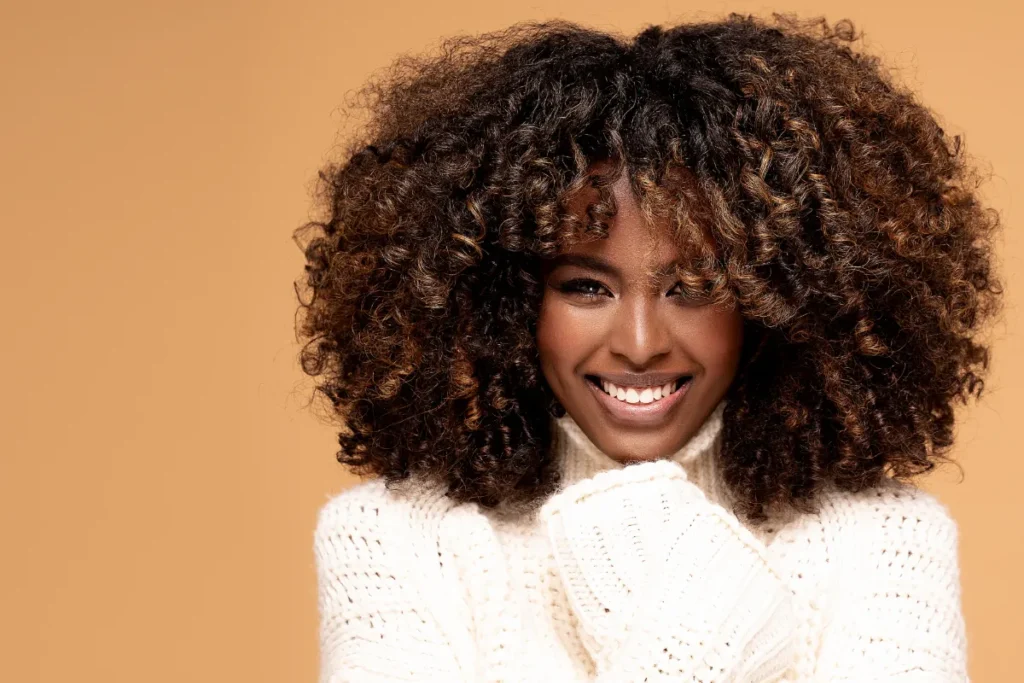
The benefits of tighter curls are moderate in the scalp. The brush is very gentle and exfoliating. Do not brush full length hair to avoid breaking. Add to pre-wash routines to make scalp comfortable. The penetration of bristles is limited by hair texture.
Classic Coily Hair 4B–4C
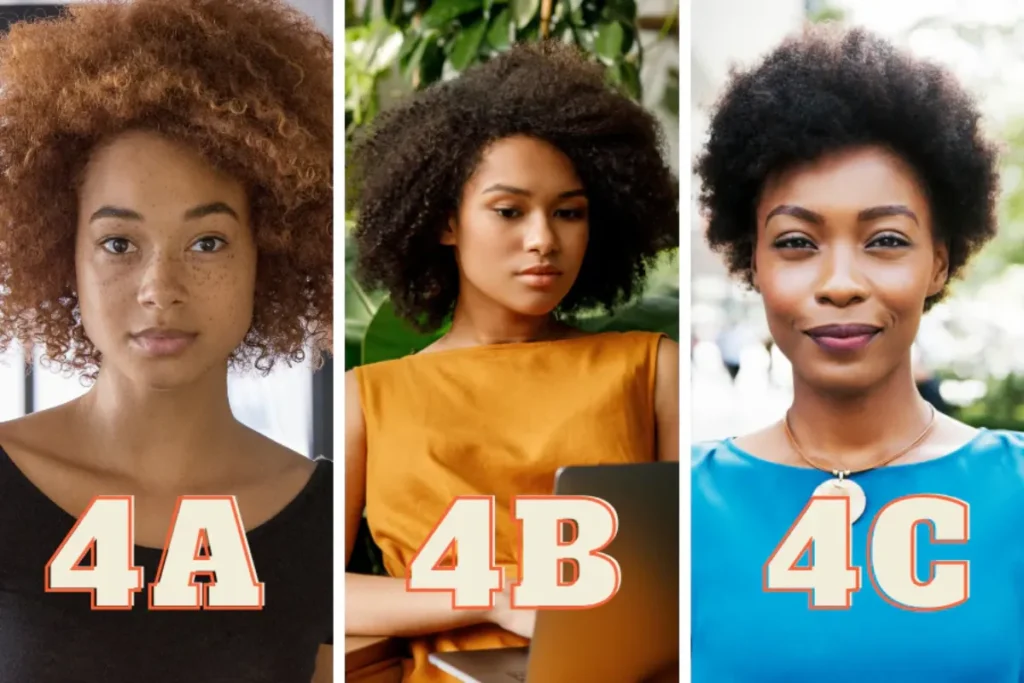
Hair that is very coily does not have much to gain. Outer layer finishing can only be done with boar bristles. Root-to-tip brushing should be avoided to avoid breakage. Selectively use to smooth out styles or updos.
Very Fine, Low-Density Straight Hair
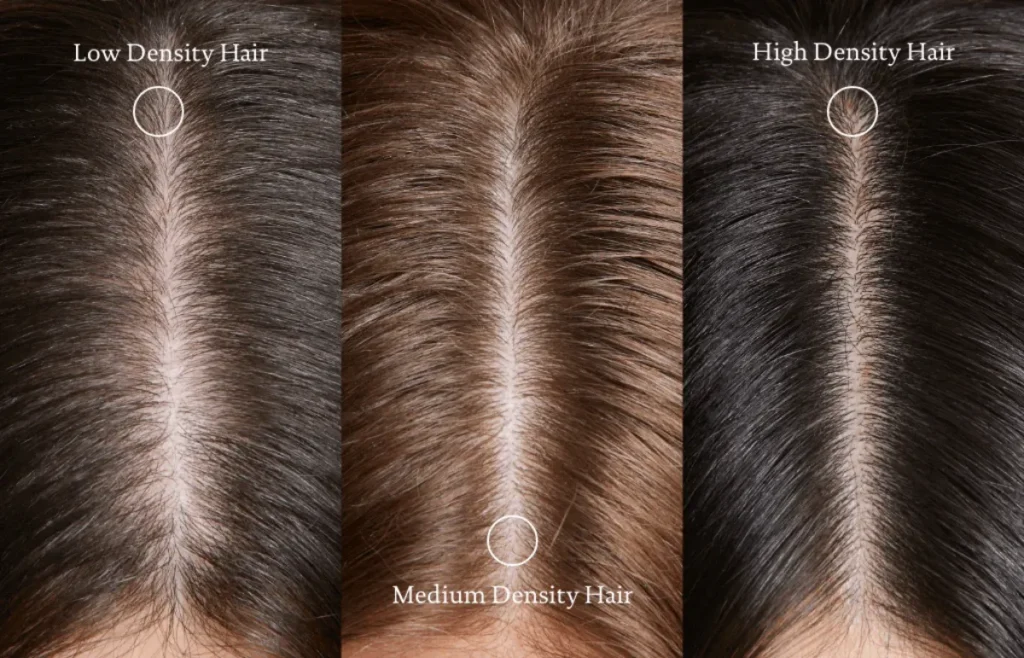
This type of hair is greasy and fast. Oil is moved to the ends with the brush. Hair gains lift and shine. Limp is prevented by daily brushing. The least effort produces the greatest impact.
Treated or Bleached Hair
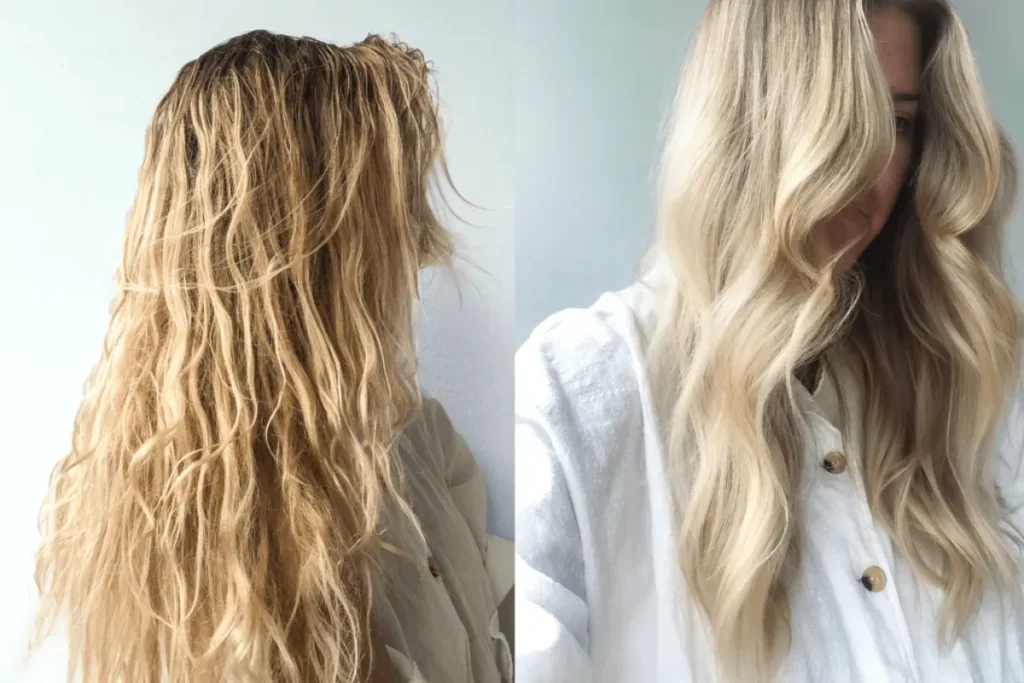
Raw hair needs to be handled carefully. The Boar bristles close cuticles and frizz. Light brushing disperses scanty oils along the shaft. Aggressive strokes should be avoided to avoid breakage. Hair becomes soft and smooth momentarily.
| Hair Type (Fitzpatrick/Walker Scale) | Thickness | Porosity | Oiliness Level | Benefit Level (1–5) | Key Advantages | Potential Drawbacks |
|---|---|---|---|---|---|---|
| Straight 1A–1C | Fine | Low | Normal–Oily | 5★ | Perfect sebum distribution, mirror-like shine | Can feel too soft for detangling |
| Wavy 2A–2C | Fine–Medium | Low–Normal | Any | 5★ | Enhances wave pattern, reduces frizz | — |
| Wavy/Coarse 2C–3A | Medium–Thick | Normal–High | Dry–Normal | 4★ | Good shine + gentle detangling | May need reinforced bristles |
| Loose Curl 3A–3B | Medium–Thick | Normal–High | Dry | 4★ | Distributes oil to ends, defines curls | Requires sectioning |
| Tight Curl/Coily 3C–4A | Medium–Thick | High | Very Dry | 3★ | Helps with dry scalp & oil transfer | Not primary detangling tool |
| Classic Coily 4B–4C | Thick | High | Very Dry | 2★ | Limited benefit unless used only for finishing | Can cause breakage if forced |
| Very Fine, Low-Density Straight | Very Fine | Low | Oily | 5★ | Prevents greasy roots in 1–2 days | — |
| Chemically Treated/Bleached | Any | High | Dry | 2–3★ | Can help seal cuticles IF used gently | Risk of mechanical damage |
Who Should NOT Use a Boar Bristle Brush
Boar bristle brushes are natural in the sense that they provide shine and a natural distribution of oil, but they cannot fit all. Some hair types and scalp disorders may break, frizz or irritate. Being aware of when not to use boar bristles keeps hair healthy and unharmed.
Very Thick, Dense 4B–4C Hair
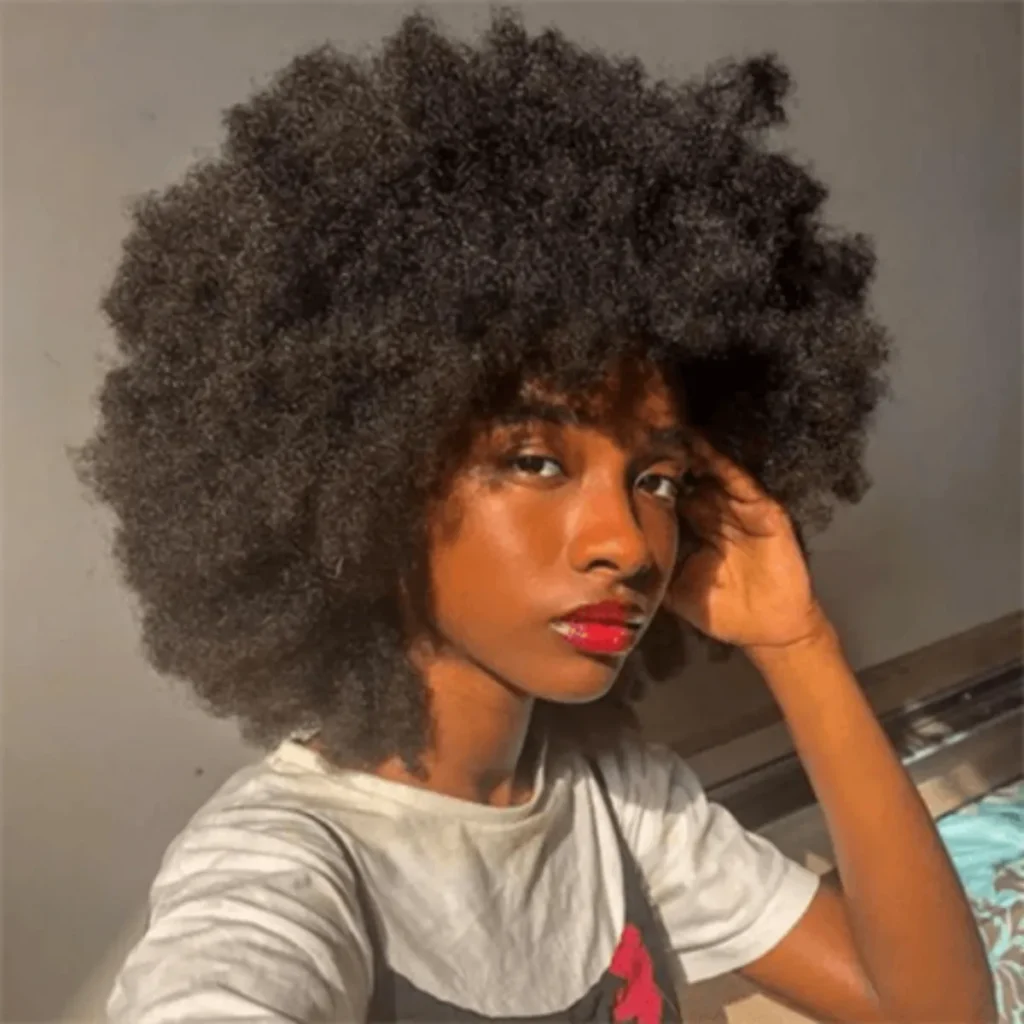
Those who have very thick 4B 4C hair will find boar bristles too soft. The bristles slide across thick coils and do not pull off tangles. Breakage could be applied through force. Denman brushes, paddle brushes or Felicia Leatherwood brushes are better in penetrating deep and managing this type of hair.
Heavy Tangled or Matted Hair
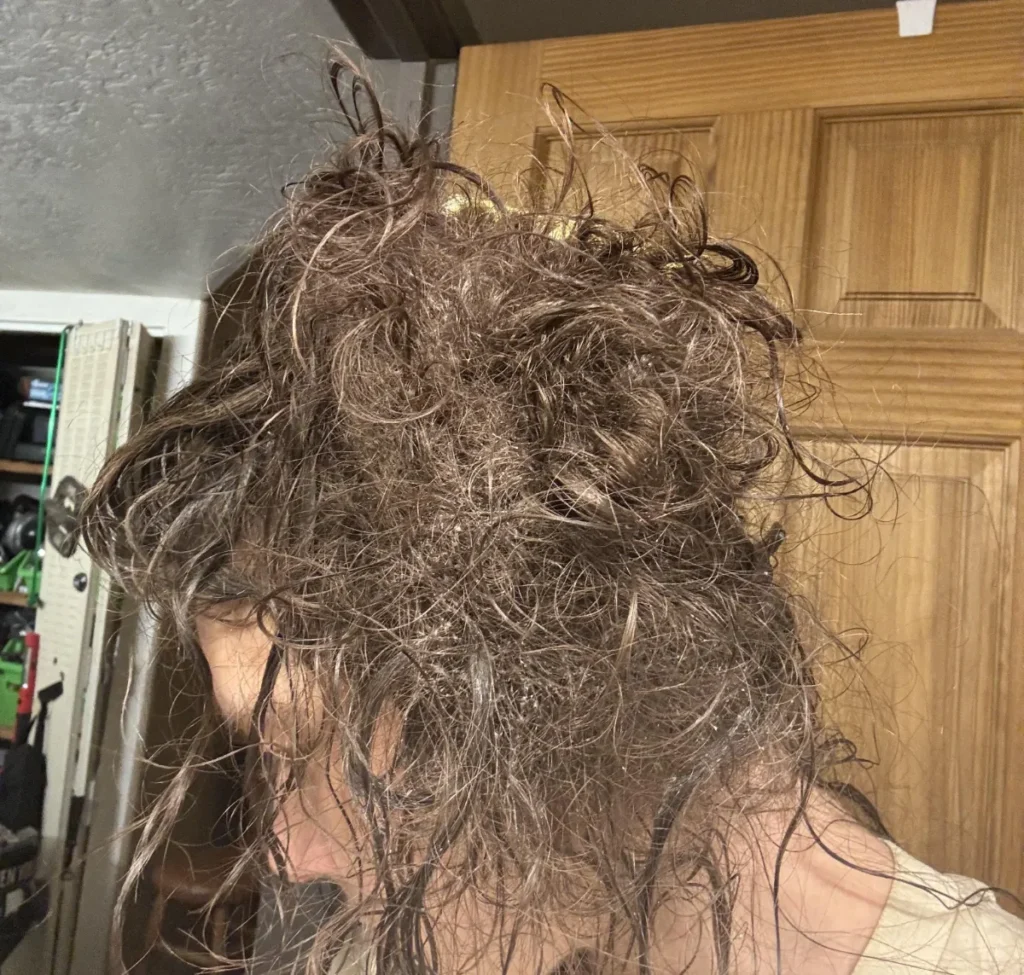
Knots and tough tangles would not allow boar bristles to pass through. The pulling and instant breakage of matted hair happens when brushed. First untangle with Wet Brush, Tangle Teezer or finger detangling with conditioner. Once detangled a boar bristle brush can be safely used to smooth.
Soaking-Wet Freshly Washed Hair
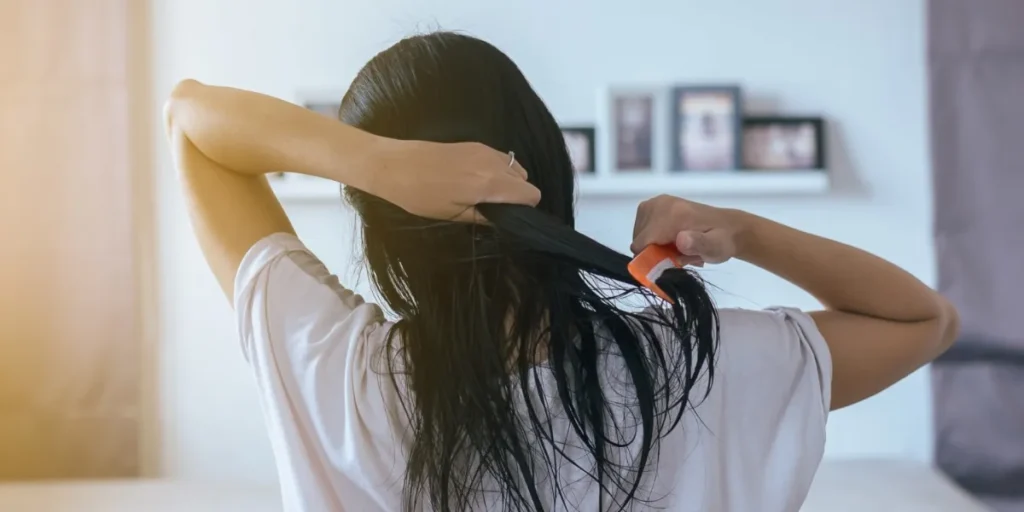
Wet hair is the one that stretches and becomes weak. On soaking-wet strands, boar bristles do not aid in detangling. Wet hair is prone to snapping, cuticle damage and uneven tension. Apply with a wide-tooth comb or wet brush, and then change to one made of boar bristles when the hair is dry.
Active Scalp Psoriasis or Open Wounds
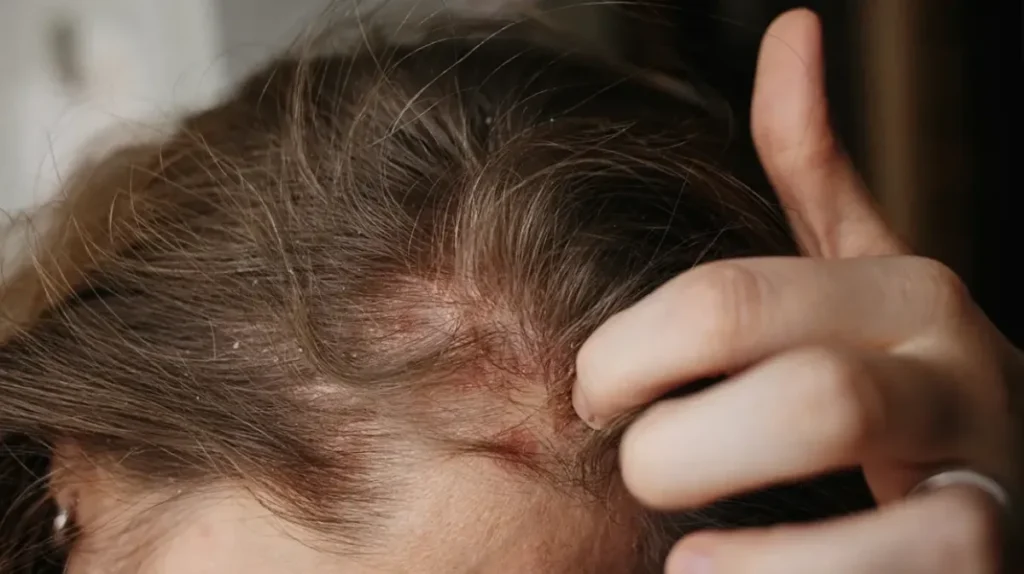
A weaker scalp will not respond well to natural bristles. Boar brushes have the ability to trap bacteria and exacerbate inflammation. Do not use until the scalp is healed. 100 percent nylon brushes or silicone scalp massagers are less dangerous during recovery.
Very High-Porosity or Treated Hair
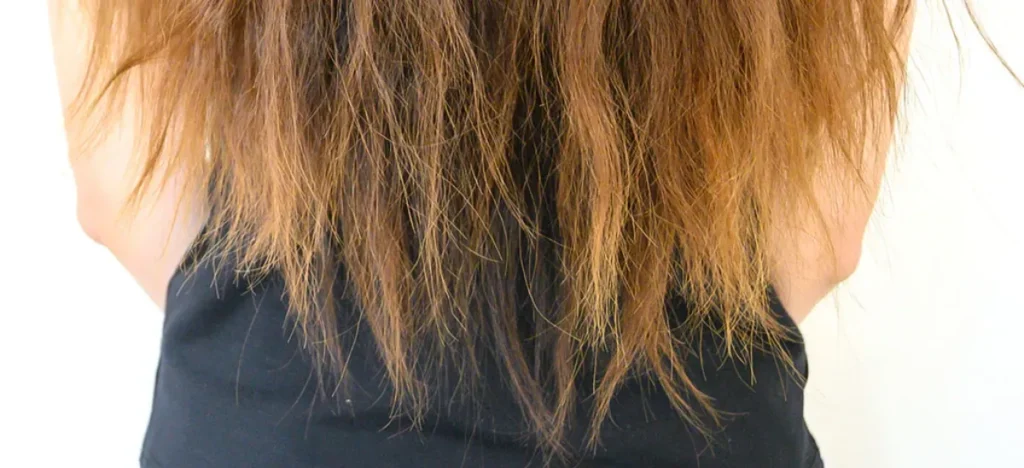
Very porous or bleached hair gets stuck in boar bristles leading to frizz and breakages. Smoother results are achieved with pure nylon boar-style brushes or silk routines, which do not damage delicate hair.
Curly Users Who Only Co-Wash

When brushed with boar bristles, curly hair that has been maintained using co-washing could clump. This results in puffiness, knots and lost curl definition. Apply shower comb and leave-in conditioner to maintain structure and moisture.
| Situation / Hair State | Why Boar Bristle is Unsuitable | Better Alternatives |
|---|---|---|
| Very thick, dense 4B–4C hair | Bristles too soft → no detangling power → breakage | Denman, Felicia Leatherwood, paddle brush |
| Extremely tangled or matted hair | Cannot penetrate knots | Wet Brush, Tangle Teezer, finger detangling |
| Freshly washed soaking-wet hair | Too weak for wet detangling; can snap hair | Wide-tooth comb or dedicated wet brush |
| Active scalp psoriasis or open wounds | Natural bristles can harbor bacteria if not cleaned | 100% nylon or silicone scalp massager |
| Very high-porosity bleached hair | Rougher bristle texture can lift cuticles more | Pure nylon “boar-style” or silk pillowcase routine |
| Curly girls who only co-wash | Insufficient detangling → fairy knots | Shower comb + leave-in first |
How to Choose the Right Boar Bristle Brush
Choosing the best boar bristle brushes for hair can change the shine, the texture of your hair, and its healthiness. Performance and comfort depend on a number of factors.
- Bristle Type (Pure vs. Mixed): Boar bristles are soft and fine to normal hair and evenly spread natural oils. Mixed bristle brushes are a blend of boar and nylon which have firmer bristles that are effective in untangling medium to thick hair without any form of coarseness.
- Bristle Density: Thick bristles would produce a greater number of contact points, which would improve shine and smoothness effects down the hair. Lightly spaced bristles are softer on delicate strands and do not break them, only offer some light smoothing.
- Cushion Base: Scalp contours are molded into soft cushioned bases, which lessen irritation and tension. Firm bases offer stability, greater control and efficient detangling of thicker or textured hair.
- Handle Comfort and Material: Hand fatigue at the time of daily brushing is minimized by ergonomic handles. Wood or high-quality resin handles are durable, gripping, and comfortable in the long run.
- Hair Type and Styling Needs: Think about the texture and length of your hair and the way you usually style it. Short hair has small brushes, whereas the wider brushes slide through long hair.
Care and Maintenance of a Boar Bristle Brush
- Cleaning: Be sure to clean after every use to avoid accumulation of hair strands. Lift hair caught between bristles with a tool or a comb. Regular cleaning keeps the brush hygienic and ready to use on a daily basis.
- Deep Cleaning: Soak the bristles in warm water with a mild shampoo or mild cleanser once a month. Do not wet the handle or it will warp or crack. This procedure eliminates oils, dirt and product residue.
- Drying: The brush should be dried with the bristle side down so that the water can drain off the bottom. It should be allowed to dry fully before subsequent use to preserve its shape and avoid mold development.
- No Heavy Chemicals: Do not use bleach, alcohol, or strong detergent which may destroy bristles. Use gentle shampoos or natural soaps to extend life.
- Storage: Store in a cool and dry place not in the sun or in a damp environment. Do not sit heavy objects on the bristles to keep it flexible and take its shape.
Final Verdict
A boar bristle brush is a natural and useful product to increase the shine, smooth hair, and keep the scalp healthy. The right type, be it pure, mixed or firm, will guarantee the best outcome of your hair type and thickness. Periodic maintenance and correct use prolong its service and avoid its losses. Although it works best with straight or fine or slightly wavy hair, some coily or curly or chemically treated hair types might require other options. Knowing what your hair needs, is the key to the maximization of any boar bristle brush.