What is an acetate comb?
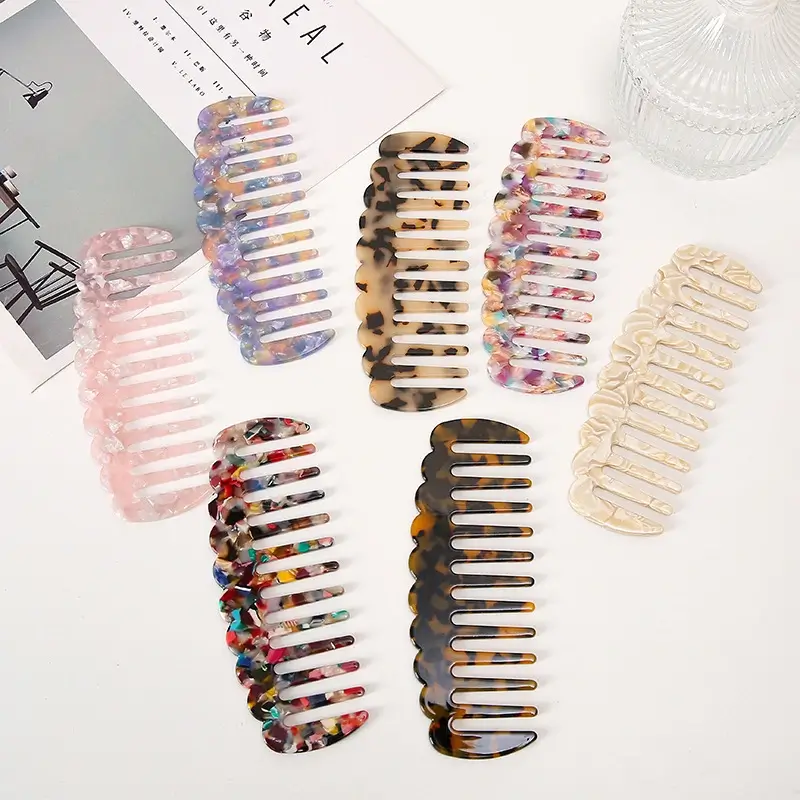
A cellulose acetate is a plant material, cellulose, that forms an acetate comb, based on wood pulp or cotton linters. It is cast and polished by manufacturers rather than injection molded to make smoother teeth. Numerous designs are hand-finished on rounded edges and comfort. You frequently encounter clear, solid-coloured or tortoiseshell-like designs. The skin is smooth on the hair and head. It generates fewer statics than most synthetic plastics. Acetate also provides a moderate heat tolerance, which can be used daily to style hair.
What is a plastic comb?
A plastic comb is usually made using thermoplastic materials such as ABS, polypropylene, nylon or polystyrene. These combs are manufactured by injection molding or extrusion at large scale by manufacturers. This procedure permits exact tooth spacing and design perfection. Flexible and rigid styles are available in a myriad of colors and shapes. Plastic combs are very resistant to water and everyday use. The motion of the statics depends on the type of polymer and the surface finish.
What is a wooden comb?
A wooden comb is made out of solid or laminated natural wood that is cut or machined. The most popular are bamboo, sandalwood, beech and boxwood. These combs are hand-carved or routed by CNC machine and finished by sanding. Most of them are given natural oil treatments to resist moisture and provide comfort. A lower triboelectric effect of the wood surface minimizes the statical effect. It also has a natural and warm feel with every use.
Acetate vs Plastic vs Wooden Combs - Head-to-head Comparison by Attribute
A wooden comb is made out of solid or laminated natural wood that is cut or machined. The most popular are bamboo, sandalwood, beech and boxwood. These combs are hand-carved or routed by CNC machine and finished by sanding. Most of them are given natural oil treatments to resist moisture and provide comfort. A lower triboelectric effect of the wood surface minimizes the statical effect. It also has a natural and warm feel with every use.
Mechanical Strength and Durability
- Acetate:Acetate combs can be tough and do not crack easily when they are thick. You can see the medium of flex, yet extremely slim models can shatter. Under normal conditions, repeated usage is not harmful, but extreme bending may shorten the life.
- Plastic: There are many types of plastic combs. ABS and nylon types are tough and impact resistant. Thin plastics are easy to break. Brittleness or fading may be caused by exposure to UV light. You need to select good plastic to be used on a daily basis.
- Wood:Wooden combs are hard when made of good species, and when well sealed. When wet or very dry, they can warp, split or lose finish. Teeth wear slowly over time. You should put them in safe places to last long.
Teeth Finish/ Smoothness (Cuticle Safety)
- Acetate: Teeth that have been polished with acetate can be made as smooth as a mirror. Minimized cuticle damage is provided by rounded edges. When properly finished, you find acetate to be ideal in fine or delicate hair. The finishing is important to prevent snagging or pulling.
- Plastic:Combs made of plastic can be rough, especially when molding is inadequate. Poor quality plastics can pull or tear hair. To have smooth teeth and to be able to detangle without micro-tears, you should choose high-grade molded plastic.
- Wood:well sands are wooden combs with smooth, gentle teeth that are cuticle safe. Leaky woods must be well finished. You are able to minimize the damage and friction of hair, particularly in curly or thick hair. Furnished wood is also very nice in touch.
Frizz Control & Static Generation
- Acetate: Acetate combs give less static than petroleum based plastics. The flat plane minimizes flyaways. You find it is much easier to control frizz, particularly with fine or dry hair. Frequent application makes hair manageable and shiny.
- Plastic:The majority of plastics produce statical charges especially when in a dry environment. Fine or dry hair has a tendency to frizz out once combed. You need not use cheap plastics in your day to day styling, or apply anti-static sprays where needed to curb frizzies.
- Wood:Wood has a porous texture and friction, which naturally causes the reduction of static. You will be able to frizz better and have smoother hair with no extra products. Wooden combs are still very popular with coarse, curly or frizz-prone hair types.
Heat Styling and Heat Resistant
- Acetate: Acetate has moderate heat resistance, which is superior to inexpensive plastics. Do not touch hot irons directly. Hair can be styled softly, but combs should not be used near the straighteners unless it will deform or melt.
- Plastic: Most plastics are low-heat resistant. Heat-stable plastics, such as nylon, enhance performance, but still may melt on direct heated surfaces. Cheap plastic combs should not be exposed to hot tools.
- Wood: Wood is not a good conductor of heat and it does not melt. Wood can be dried out or split by extreme heat. Wooden combs should never be applied directly to hot styling equipment to preserve their integrity.
Wet Hair and Water Resistance
- Acetate: Acetate combs do not dissolve in water, and are stable in wet conditions. You can apply them on wet or damp hair. They do not swell or deform during styling or detangling to maintain their shape and performance.
- Plastic: Plastic combs do not absorb water and are suitable to wet hair. You are able to detangle, style or part hair without any fear of water damage. Plastic can be used in the shower or pool because it is durable.
- Wood:Wood will take on water unless it is properly sealed. Long-term exposure may lead to swelling, warping or complete degradation. You must not immerse wooden combs in water and must dry it completely on wet hair.
Impact on Scalp and Hair (Tension, Breakage, Tugging)
- Acetate:Finished acetate combs are soft on hair strands. They alleviate tension and breakage, especially of fine to medium hair. They will be safe to do normal detangling without micro tears or scalp irritation.
- Plastic: Rough plastic teeth can hook up hair and form micro-tears. Poor quality combs enhance the risk of hair breakage. Smooth, molded plastic combs should be used because they do not create tension and damage when styling.
- Wood:Wooded combs do not produce friction or statical forces that can break hair. It is safe to apply them on thick, curly or coarse hair. They are even comfortable on the scalp with a smooth distribution of natural oils.
Comfort & Tactile Experience
- Acetate: Acetate combs are cool to touch. You enjoy a comfortable, ergonomic design. The high quality appearance and the feel of the skin make them comfortable during long grooming.
- Plastic: Plastic combs are not heavy and can be oily. The feel is tactile as per quality and finish. Mass-produced plastic combs might not be as good in long styling sessions.
- Wood:Wooden combs have a warm, tactile and hand-friendly feel. You tend to like the natural hold and natural movement more than hair. Wooden combs are very comfortable to many users to use in their everyday grooming.
Precision & Styling (Fine-Tooth vs Wide-Tooth Performance)
- Acetate: Acetate may be cut to fine tooth shapes and is therefore useful in styling fine teeth. You are able to part, cut and style hair. It is also suitable in salon and home styling.
- Plastic:Plastic enables intricate tooth patterns at a low cost. You are able to make fine or wide-tooth combs depending on the styling requirements. You enjoy low prices and have a predictable tooth spacing and performance.
- Wood:Combs with large teeth work best to comb and smooth hair. Wooden combs with a fine tooth are feasible but delicate. You should treat them with care not to break teeth or lose accuracy.
Hygiene & Cleaning
- Acetate: Acetate combs are porous and simple to clean. You may cleanse them in weak soap and water. They inhibit bacterial growth and keep hygienic even after frequent use.
- Plastic: Plastic combs are also not porous and are easy to clean. They can be washed regularly in water without compromising performance. This renders plastic perfect in shared or high usage areas.
- Wood:Wooded combs are porous and can harbor oils or dandruff. Wipe them using a damp cloth and do not drown. Frequent re-oiling keeps finish and sanitation.
Aesthetics & Customization
- Acetate:Acetate combs permit vivid colors, marbling, tortoiseshell designs, and shiny finishes. You have a luxurious, upscale look and a fashionable accessory. It can also be custom designed to have a premium appearance.
- Plastic: Plastic combs may be available in unlimited colors and patterns. Mass production is easy when it comes to bright colors, patterns, and molded shapes. You will have a low cost, fun and versatile range.
- Wood:Wooden combs reflect natural grain and exclusive looks. Appearance is improved by hand-carving, engraving or oiling. You get a refined, craftsmanlike appearance that changes with every creation.
Environmental Impact and End-of-Life
- Acetate:Acetate is partially cellulosic. It is biodegradable, albeit in slow pace, compared to petroleum plastics. There are few recycling opportunities. You mitigate environmental impact through selection of sustainable sources.
- Plastic: Plastic is petroleum and it can be difficult to recycle. When disposed, you run the risk of polluting. Plastic combs which are used once and thrown away have the greatest environmental impact.
- Wood:Sustainably sourced wood is renewable and biodegradable. End-of-life combs are compostable. Compostability might be influenced to some extent by finish or oil, yet wood is the greener choice.
Allergies and Chemical Concerns
- Acetate:Acetate is not very allergic. Solvents or plasticizers may be used in manufacturing but finished products are usually stable. Acetate combs are safe in most people.
- Plastic:Plastic can have additives or dyes that can result in infrequent sensitivities. You are to look at skin reactions, particularly in children or sensitive scalps.
- Wood: Wood may result in uncommon allergy or irritation caused by sap remnants. Exposure is minimized by proper sealing and finishing. Most species are naturally hypoallergenic to your advantage.
Acetate vs Plastic vs Wooden Combs - Technical & Performance Comparison
| Attribute | Acetate (cellulose acetate) | Plastic (ABS, acrylic, nylon, etc.) | Wood (beech, sandalwood, bamboo) |
|---|---|---|---|
| Origin | Plant-derived cellulose + chemical processing | Petroleum-derived polymers | Natural (trees/bamboo) |
| Typical finish | High-gloss, polished | Matte to glossy (depends on mold) | Sanded, oiled or waxed |
| Smoothness / cuticle safety | High (if polished) | Variable — quality dependent | High (if well-sanded & finished) |
| Static | Low–moderate | High (esp. cheap plastics) | Low |
| Water resistance | Good | Excellent | Variable — needs sealing |
| Heat resistance | Moderate | Low–moderate | Sensitive to drying/cracking |
| Durability | Good | Variable (can be very durable) | Good but sensitive to moisture |
| Precision of teeth | High | Very high (molded) | Moderate (handcrafted limits) |
| Cleanability | Easy | Easy | Requires gentle cleaning |
| Cost | Mid–high | Low | Mid–high |
| Biodegradability | Partial/slow | Poor | Good (if sustainably sourced) |
Use-Cases & Recommendations by Hair Type and Goal
Fine / Thin Hair
Acetate or smooth-finished plastic combs should be used to avoid snagging. Natural oils are aided by wooden combs. Detangle with wide-tooth and style with fine-tooth.
Thick / Coarse Hair
Use broad, sturdy combs such as thick-tooth acetate or tough plastic. Good wooden wide-tooth combs are good at detangling without causing harm to the hair.
Curly / Coily Hair
Apply wide-tooth combs on wet hair to break less. Combs of wood or acetate keep the curls in place and minimize the statical effect. Use plastic combs with large teeth, which do not interfere with the curl patterns.
Straight Long Hair
Use paddle combs of acetate or wood to spread oils evenly. Plastic paddle combs can be used but can create a static on dry hair.
Scalp Issues
Use combs with smooth rounded teeth to prevent irritation. Keep it clean and see a dermatologist when the scalp issues do not improve.
Professional / Styling Use
Acetate combs are smooth and have aesthetic appeal. Heat tools should be cut with carbon-fiber or heat-resistant plastic combs.
How to test a comb in-store or after purchase
To test a comb at the store or after buying it, simply begin by rubbing your fingers along the teeth. Make sure that it does not have any sharp edges that might cause harm to hair or scalp. Then, use a finger to tug a bit of hair to see whether there are any tugging or uneven teeth. Test the weight and balance in your hand to make it comfortable to handle. Sniff the comb and test the finish; a heavy odor of a strong chemical can be a sign of the leftover solvents. In the case of wooden combs, ensure that they are of even grain, have a sealed finish, and are sustainably certified (where they claim it).
Acetate vs Plastic/Wooden Combs - Cost examples & expected lifespan
Cost and life span are important when selecting a comb. Disposable plastic combs are commonly sold between $1 and $8 and last several months to a year. The in-between plastic or nylon combs are priced between 8- 20 with a bit more durability. Acetate combs cost between 15-60+ depending on the quality and are capable of serving several years with quality maintenance. Wooden combs cost between $10 and $80 or more, depending on the type of wood and handcrafting. When you invest in acetate or wooden combs, you will benefit in the long-term use, gentle hair treatment and breakage less than cheap plastics.
Conclusion
To sum up, no best comb material exists. It all depends on your hair and the way you need to style it and your values. Acetate combs have high-end finishing that is smooth and perfect to use in detangling. Plastics are economically viable, waterproof and can be used daily, although there is a problem of staticality. Wooden combs are superior in minimizing friction, managing static and ensuring sustainable grooming. Choose smooth teeth, correct spacing and durability over material to keep hair healthy, avoid breakage and have long-lasting and effective combing.
FAQs
Do Material Differences Affect Hair and Scalp Health?
Yes—material matters indirectly. Smooth, well-finished teeth reduce friction and cuticle damage, helping prevent breakage and split ends.
Static-prone materials, especially cheap plastics, can increase frizz and flyaways. Wooden and high-quality acetate combs typically generate less static and feel gentler on hair. For scalp health, non-porous materials are easier to sanitize; always choose smooth teeth, proper spacing, and keep the comb clean.
Can wooden combs be used on wet hair?
Avoid prolonged soaking. Occasional combing of damp hair is okay if the wood is sealed, but continuous wet use or submersion can warp or split the wood.
How often should I replace my comb?
Replace when teeth show wear, become rough or chipped, or if the comb develops persistent build-up or odor. For salon use, replace or thoroughly disinfect frequently.
How do I clean a wooden comb that has product buildup?
Use a soft toothbrush with minimal water and mild soap to scrub between teeth, wipe quickly, then dry immediately. Reapply a small amount of food-grade oil to re-seal the wood.