It is necessary to know the correct process of how to use hair oil to get actual results. It assists in feeding your scalp, avoiding breakage and enhancing your hair. Not every oil is created equal. Depending on your hair type and needs, there is the right oil, the right quantity, the right time and the right technique. In this guide, you will know the exact way to apply hair oil, what oils are best to use, the duration to leave them on and the mistakes to avoid and much more. Okay, so here we go!
Understanding Hair Oils: What They Are and Why They Matter
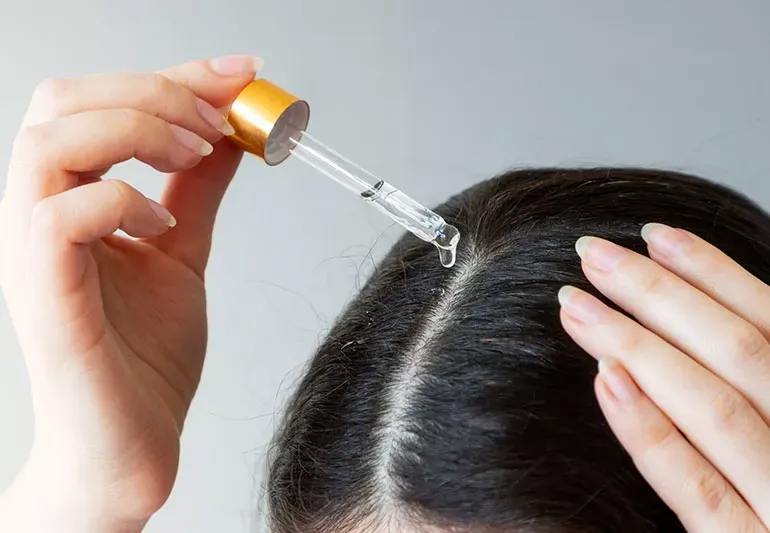
Hair oil is a nutritious liquid composed of either natural, essential or carrier oils and is specially designed to enhance the health of your scalp and hair.
Hair oils can be beneficial when applied correctly, moisturizing your roots and dehydrated locks. They fortify follicles, minimise breakage, and make your hair smoother and easier to manage. The appropriate combination of oils also helps with such problems as dandruff, hair loss, and split ends. In addition, frequent oiling not only enhances blood circulation on your scalp, but it also stimulates thicker hair growth.
The Science of Hair Oils
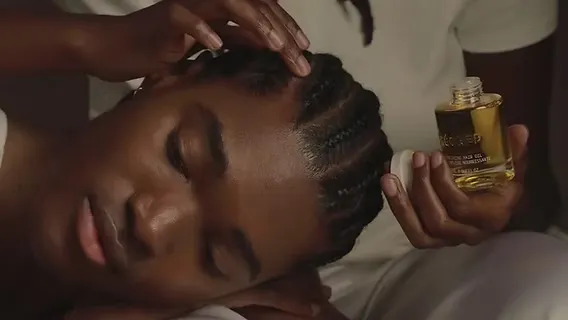
The hair oils do not merely lie on the surface. They enter your scalp and shaft to reach where they are most required. The active ingredients of oils act internally to heal damage, prevent stress, and enhance hair health in general.
Types of Hair Oils
There are three types of hair oil you will find when selecting, which include:
- Natural oils such as coconut, argan, castor, olive and almond oils are deeply nourishing and hydrating to your hair.
- The essential oils like rosemary, peppermint, and lavender nourish the scalp and promote growth.
- Blended oils are oils that have combined more than one ingredient to address certain concerns. You are free to select one depending on your hair objectives and requirements.
Comparison Table of Popular Hair Oils
| Hair Oil Type | Primary Uses | Amount to Use | Duration | Best for Hair Types | Additional Benefits |
|---|---|---|---|---|---|
| Rosemary Oil | Hair growth, scalp health | 1-2 tsp | 30 min-overnight | All hair types | Anti-dandruff, stimulates follicles |
| Coconut Oil | Moisture, shine | 1-2 tbsp | 30 min-overnight | Dry, curly, damaged | UV protection, anti-frizz |
| Castor Oil | Hair growth, thickness | 1-2 tbsp | Overnight | Thick, dry | Strengthens hair, reduces split ends |
| Argan Oil | Shine, softness | 2-5 drops | Leave-in or 30 min | Fine, damaged | Anti-frizz, heat protection |
| Jojoba Oil | Scalp balance, moisture | 1-2 tsp | 30 min-leave-in | Fine, oily | Mimics natural sebum |
| Mielle Hair Oil | Growth, nourishment | 1-2 tsp | 30 min-overnight | Curly, coily | Strengthens curls |
| Batana Oil | Repair, growth | 1-2 tbsp | Overnight | Dry, damaged | Restores shine, elasticity |
| Tea Tree Oil | Scalp health, dandruff | 2-3 drops (diluted) | 15-30 min | Oily, dandruff-prone | Antibacterial, soothing |
| Moroccan Oil | Shine, manageability | 2-5 drops | Leave-in | All hair types | Heat protection, detangling |
| Olive Oil | Deep conditioning | 1-2 tbsp | 30 min-overnight | Dry, thick | Strengthens, adds shine |
| Almond Oil | Nourishment, softness | 1-2 tsp | 30 min-overnight | Dry, damaged | Vitamin E, reduces breakage |
How To Use Hair Oil? - Step-by-Step
Step 1 – Preparation
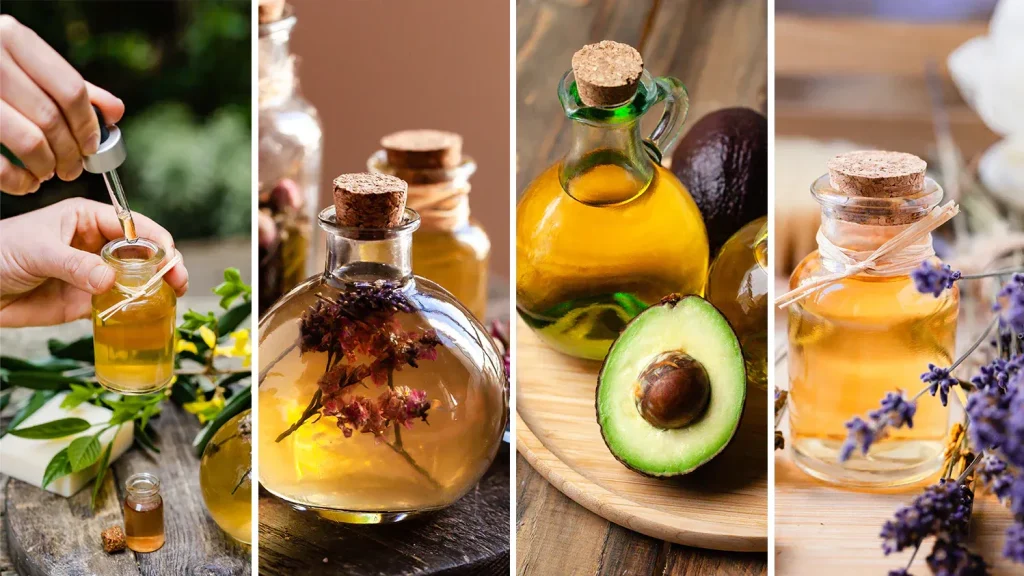
The first step is to find out your hair type. It assists you in selecting the appropriate oil, coconut oil on dry hair, argan oil to tame frizz, or castor oil to encourage hair growth. After choosing your oil, you should find a wide-tooth comb, a towel, and a shower cap. Always do a patch test before applying to make sure you do not have an allergy, in case of using essential oils.
Step 2 – Collagen Massage
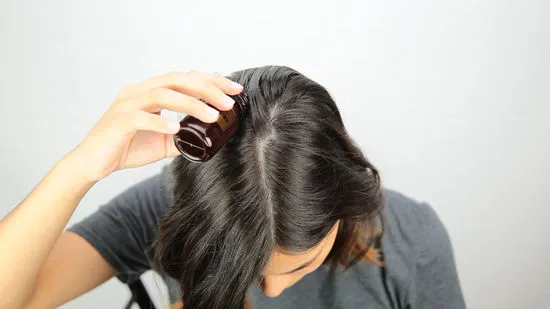
Heat 1-2 tablespoons of oil a little to enhance absorption. Divide your hair into some parts then use your fingertips to massage the oil on your scalp. Rub with your hands 5-10 minutes. This increases circulation and promotes healthy hair growth as well as makes you feel relaxed.
Step 3 – Mid-Length and Ends
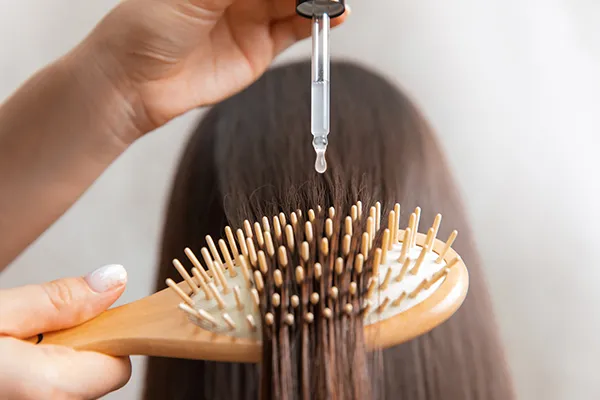
Once you have applied the oil to your scalp, apply the rest to the mid-lengths and ends. These regions are dry and tend to split. With the help of a wide-tooth comb, the oil is spread evenly without the pulling or breaking of your strands.
Step 4 – Pre-Wash Treatment
Leave the oil 30 minutes or more and then shampoo. In case your hair is particularly dry or damaged, apply the oil at night and leave it on so that it has longer to nourish your hair. Cover your pillow with a shower cap or a towel.
Step 5 – Leave-In Treatment

To use every day, put 2 to 5 drops of light oil (jojoba or argan) on wet or dry hair. Instead, concentrate on the ends so that they stay soft and free of frizz without leaving your scalp oily.
Step 6 – Hot Oil Treatment
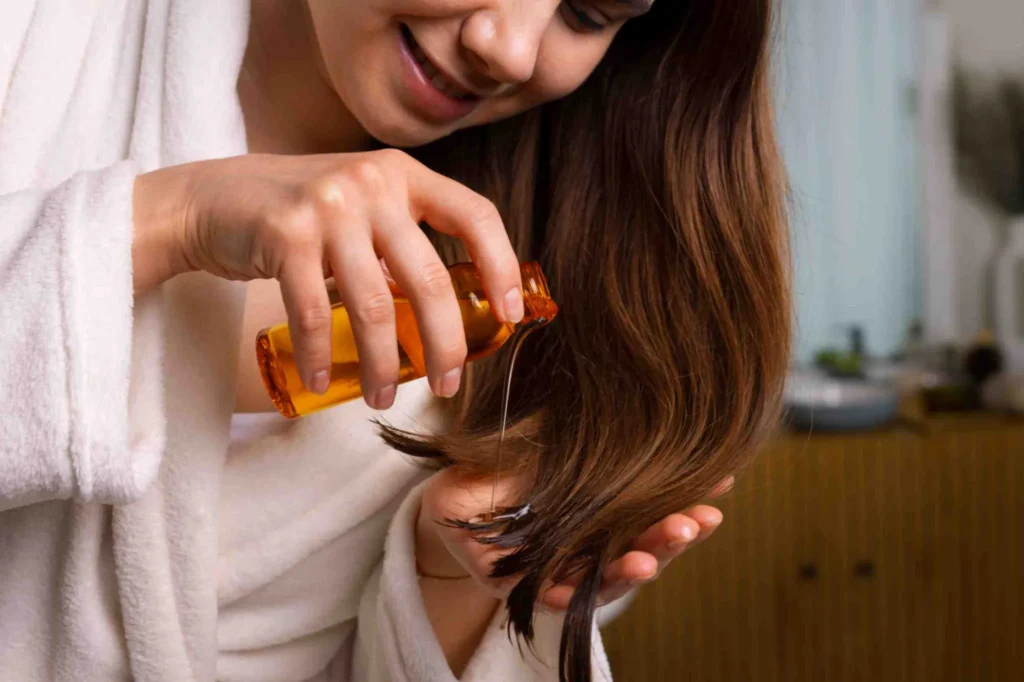
Heat up the oil of your choice gently and massage it into your hair, and then cover your hair with a warm towel. Keep it on 20 to 30 minutes. This technique brings additional softness and luster.
Step 7 – Post-Application Care
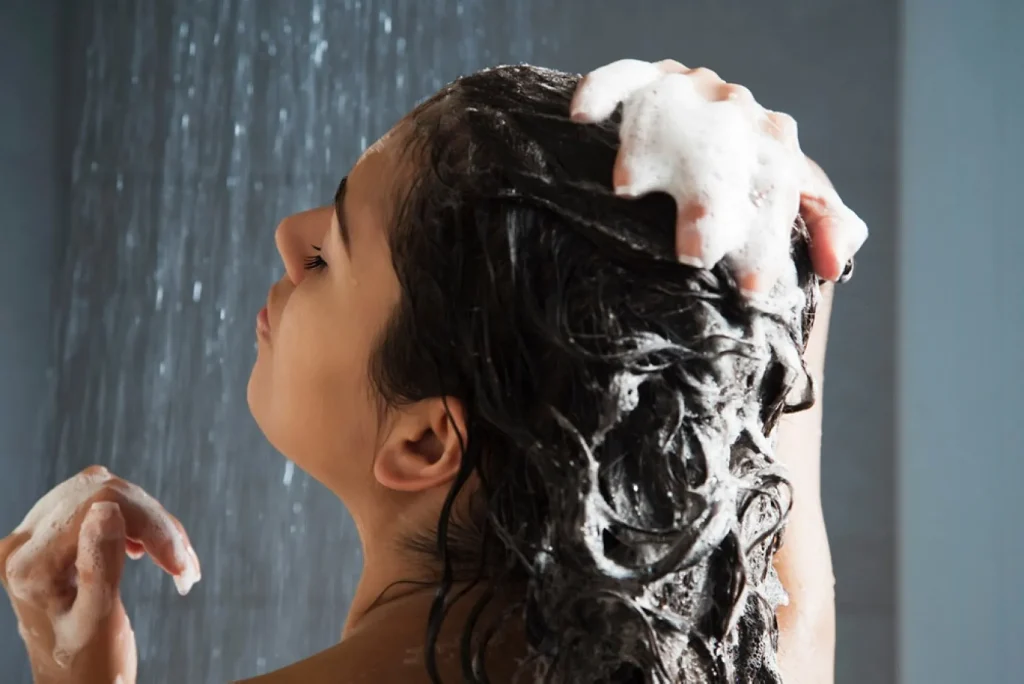
Wash your hair thoroughly using a mild shampoo. Wash twice in case you feel your hair is greasy. Conclude by conditioning it and to keep your scalp natural, do not overwash.
How Much Hair Oil to Use
How much hair oil to use depends on the length, type and purpose of your hair. Use 1–2 teaspoons for short hair. Medium length hair requires 1-2 tablespoons, while long hair will need 2-3 tbsp. If you have thick or porous hair, you can use more. For low porosity hair, use lighter amounts. Use less oil to your scalp, and more to the ends, which are often dry. Use oil daily as a leave-in or bi-weekly for a deep conditioning treatment.
How to Choose the Right Hair Oil for Your Hair Type
1. Determine Your Hair Type
Prior to selecting any hair oil, you should be aware of the kind of hair you have. Is it straight, thick, fine, curly, damaged, dry, or oily? Also, examine your scalp, e.g. oily scalp, dry scalp, or sensitive scalp. This will ensure you stay away with products that might make your hair heavy or make your scalp problematic.
2. Match Hair Needs to Oils
Oils such as jojoba or argan are light in weight and can be used on fine or thin hair. These will not make your hair greasy. Thick, or curly hair will need heavier oils such as castor or olive oil, to give it deep nourishment. Coconut or almond oil is beneficial to dry or damaged hair as it moisturizes the hair. Tea tree or rosemary oil can be used in case of dandruff or itchy scalp.
3. Take a look at Hair Goals
Consider what you desire to accomplish, be it growth, moisturisation, or frizz taming. Even the oils can be combined. As an example, coconut and rosemary are beneficial in hydration and hair growth.
4. Try Before You Buy
Conducting patch test on any new oil should always be done to prevent allergies. Apply a bit and leave 24 hours. Apply small amounts on your scalp and wait to see how your hair reacts.
5. Consult an Expert
In case of persistent problems with hair or scalp, visit a dermatologist or trichologist. Their advice assists you in selecting the correct oils in a better and safer way.
Common Mistakes to Avoid
Overusing Oil
Excessive amounts of oil will make your hair oily, clog your pores, and build up. A few drops only are sufficient- vary according to your hair type and length. In case you are fine haired, go lighter.
Wrong Oil Usage
Oils do not fit all hair types. Castor and other heavy oils might make fine hair heavy. Never apply the whole product on your hair, instead test a small sample.
Improper Rinsing
When you fail to rinse oil out, it will remain on the hair and scalp and make it dull and scratchy. Deep cleanse on a regular basis with a clarifying shampoo.
Neglecting Scalp Health
And, never leave your scalp out. It is as important as your strands. Look out at indicators of excess oiling such as itchiness or flakes.
Oiling Dirty Hair
Dirt and bacteria are trapped when oiling the dirty hair. Make sure you begin with a clean head of hair to ensure that the oil is easily absorbed and nourishes the hair.
Additional Tips and Tricks
DIY Hair Oil Blends
You may make your own oil mixtures to fit your hair objectives. To grow hair, combine rosemary, castor, and peppermint oil. Coconut, olive, and almond oils are great to use as deep conditioners. To tame frizz, mix argan, jojoba and lavender oils. Never use essential oils without diluting them first- just a couple of drops to a tablespoon of carrier oil. To keep your mix fresh, store it in a dark glass bottle. Well shake before use and work roots to ends.
Adding Oils to Your Life
To be extra nourishing, you can combine oils with your conditioner or serum. Apply them prior to shampooing or leave-in treatment. Use oils weekly to enjoy a long-lasting effect.
Seasonal and Environmental Factors
Change the frequency of oil use according to weather. In summer use lighter oils and in winter more enriching oils. Oils are also useful to guard your hair against sun, pollution and dryness.
Cultural, Traditional Practices
Research old techniques such as Indian champi (head massage) or Moroccan argan oil. Such rituals can be relaxing and helpful.
Using Tools to Increase Oil Effectiveness
Massage the scalp using a scalp massager or apply a heated cap after oiling. These devices aid in deeper penetration of the oil. Rub the skin in circular motions to increase blood circulation and absorption.
Potential Side Effects and Precautions
Allergic Reactions
Never use a new oil on your skin without doing a patch test. This will prevent allergic reactions, particularly when you are allergic to nut-based oil such as almond or argan. Read the labels carefully, in case you have known allergies.
Scalp Sensitivities
Look out for redness, itchiness or burning these are indicators that your scalp is not happy. Essential oils should be mixed with carrier oil in order to minimize irritation. Do not apply them directly.
Overuse Risks
Excessive oil may cause overloading of proteins or excessive build-up. This leaves your hair dry or greasy. You must strike the balance between oiling and washing and using products.
Reactions with Hair Treatments
Do not use oils immediately before or after a chemical process such as coloring or perming. Take a couple of days to allow the treatments to set. It is about timing which is important to safeguard your scalp and hair health.
Conclusion
Learning how to use hair oil in the correct manner can actually change your hair. Whether it is promoting growth using rosemary oil or shine using coconut or argan oil, each oil has its role. All you have to do is to find the oil that suits your type of hair and your objectives. Use the correct amount, at the correct time. Test, experiment, and find out what suits you. Begin now and experience all the advantages of hair oil usage.
FAQ
How Often to Use Hair Oil?
Use hair oil 1–3 times a week. Dry hair benefits from more frequent use, while oily hair needs less. Watch how your scalp reacts and adjust as needed.
How to Use Castor Oil on Hair?
Warm the oil and apply to your scalp. Massage for 5–10 minutes, leave for 30 minutes or overnight, then wash out. Use once or twice a week for thicker hair.
How to Use Coconut Oil for Hair?
Apply to scalp and ends, leave for 30 minutes, then shampoo. For frizz, use a tiny amount after washing. Use weekly for deep moisture.
How to Use Argan Oil for Hair?
Rub a few drops into damp or dry hair, focusing on ends. Use 2–3 times a week to reduce frizz and add shine.
How to Use Jojoba Oil for Hair?
Massage into scalp before washing or mix into conditioner. Leave on for 20–30 minutes. Use once or twice a week for hydration.